


 Asian Currencies Face Pressure as U.S.-Iran Conflict Weighs on Markets
  Chinese AI Stocks Surge as Tencent, MiniMax, and Zhipu Launch Agentic AI Programs
  U.S. Solar Market Contracts in 2025 as Trump Rolls Back Renewable Energy Incentives
  German Exports Drop 2.3% in January, Exceeding Forecast Decline
  RBA Set for Back-to-Back Rate Hikes, Westpac Forecasts
  Gold Prices Slip as U.S.-Israel-Iran War Fuels Dollar and Oil Demand
  ANZ and Westpac Forecast Two RBA Rate Hikes in March and May 2026
  IEA Plans Record Emergency Oil Release Amid Iran Strait of Hormuz Crisis
  Gold Prices Climb Above $5,200 as Iran War Uncertainty and Inflation Data Loom
  Iran-Israel War Sparks Global Oil Crisis as Tankers Burn in Gulf Waters
  Asian Stock Markets Rise as Oil Prices Pull Back; U.S. CPI in Focus
  U.S. Markets Slip Amid Iran Conflict Uncertainty as Oil Prices Retreat
  IEA Releases Record 400 Million Barrels of Oil Amid U.S.-Iran War
  Asia FX Steady as Iran War Signals and U.S. Inflation Data Weigh on Sentiment
  Trump Administration Launches Trade Investigations Against 16 Countries Over Industrial Overcapacity
  U.S. Futures Slide as Oil Prices Surge on Middle East Shipping Attacks
  Oil Prices Surge Toward $100/Barrel After Tanker Attacks in Iraqi Waters


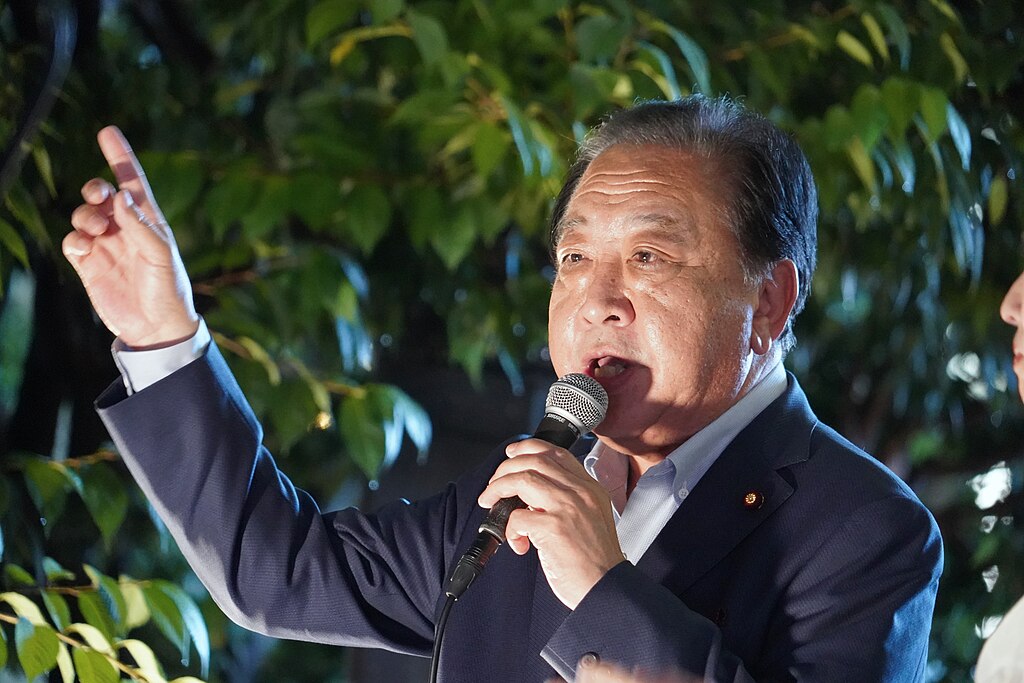
Any Japanese government intervention to support the yen is unlikely to have a lasting impact unless it is backed by strong fiscal discipline and credible monetary policy, according to former Finance Minister Yoshihiko Noda. In comments to Reuters, Noda warned that unilateral yen-buying measures would do little to halt the currency’s decline without international coordination and domestic policy reforms.
Noda, who co-leads Japan’s newly formed largest opposition party, said Japan must focus on restoring confidence in its public finances and safeguarding the Bank of Japan’s independence as it moves toward interest rate normalization. Drawing on his experience during the 2011 Group of Seven coordinated intervention following the earthquake and tsunami, Noda stressed that today’s environment is fundamentally different and far less conducive to joint action by major economies.
Currency markets have recently been unsettled by sharp yen movements, speculation over possible intervention, and so-called rate checks by the New York Federal Reserve, which some analysts interpret as tacit U.S. approval for Japan to step in. However, Noda noted that Japan typically seeks broader G7 understanding before acting, making effective intervention more difficult under current conditions.
The yen and Japanese government bonds have come under pressure amid concerns that Prime Minister Sanae Takaichi’s expansionary fiscal stance and the Bank of Japan’s gradual pace of rate hikes could fuel inflation and increase debt issuance. Noda argued that excessive yen weakness harms households by driving up import costs and worsening inflation, underscoring the need for Japan to signal a credible plan to stabilize its finances.
He called for a shift away from heavy reliance on loose monetary policy and suggested revising the government–BOJ joint statement to clarify their respective roles in controlling inflation rather than focusing solely on deflation. Noda emphasized that political leaders should avoid statements that undermine the central bank’s independence, warning that market confidence depends on the BOJ’s ability to act decisively.
With Japan heading toward a snap election, the debate over yen intervention, fiscal reform, and monetary policy independence is set to remain central to the country’s economic outlook.













