


 Venezuela Names Paula Henao as New Oil Minister Amid U.S.-Led Industry Overhaul
  Shots Fired at U.S. Consulate in Toronto in Suspected National Security Incident
  Russian Drone Strikes Hit Kharkiv and Dnipro, Injuring Over 20 Civilians
  Boeing Secures $289 Million Smart Bomb Contract With Israel
  Mexico's Electoral Reform Bill Fails in Congress as Coalition Fractures
  Anthropic Sues Pentagon Over AI Blacklist, Citing Free Speech Violations
  Iran's Government Remains Stable Despite U.S. and Israeli Strikes, Intelligence Shows
  RBA Set for Back-to-Back Rate Hikes, Westpac Forecasts
  UK Housing Market Slows Amid Geopolitical Tensions and Mortgage Rate Fears
  Chinese AI Stocks Surge as Tencent, MiniMax, and Zhipu Launch Agentic AI Programs
  Dollar Stabilizes Amid Iran War Uncertainty as Oil Prices Remain Elevated
  Nations will release an extra 400 million barrels of oil to the market. All we need to do now is not panic at the pump
  U.S. and Russia Hold Diplomatic Talks in Florida Amid Ongoing Tensions
  Trump Administration Launches Trade Investigations Against 16 Countries Over Industrial Overcapacity
  Gold Prices Climb Above $5,200 as Iran War Uncertainty and Inflation Data Loom
  Trump-Putin Call Addresses Iran War, Ukraine Peace, and Global Oil Crisis
  IEA Releases Record 400 Million Barrels of Oil Amid U.S.-Iran War


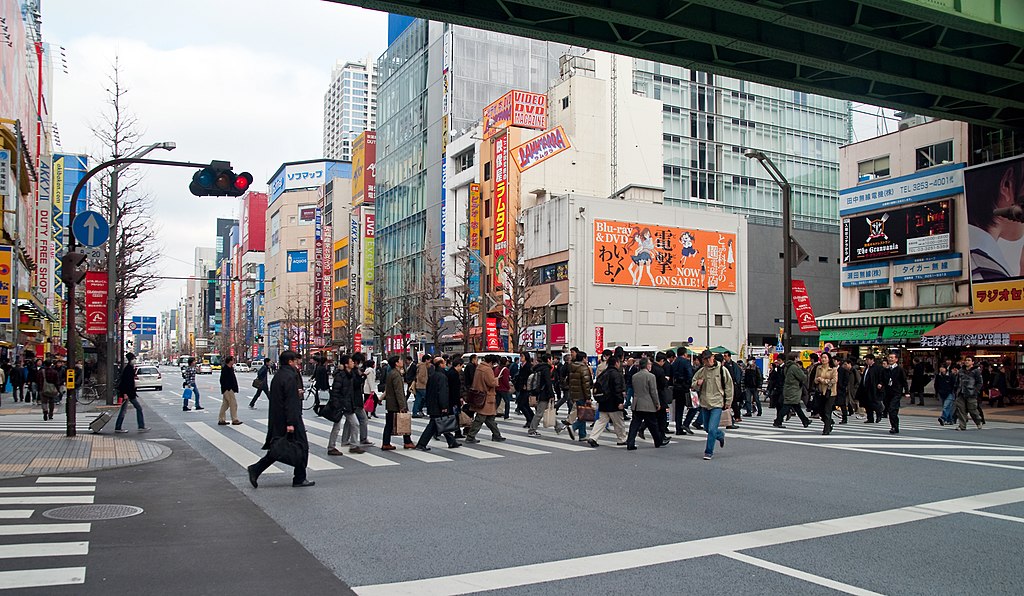
Japan’s expected snap general election is intensifying debate over a possible cut to the consumption tax, as both ruling and opposition parties signal support for easing the burden on households facing rising living costs. The growing likelihood of a tax reduction has become a key election issue, reflecting public concern over inflation, food prices, and economic pressure on families.
Japan currently applies a reduced 8% consumption tax on food items and a standard 10% tax on other goods and services. This tax system plays a crucial role in funding the country’s expanding social welfare expenses, particularly as Japan grapples with a rapidly ageing population. However, political leaders are increasingly acknowledging that consumers need relief.
Shunichi Suzuki, secretary-general of the ruling Liberal Democratic Party (LDP), emphasized that the party intends to honor its agreement with coalition partner Ishin, which includes a plan to scrap the 8% consumption tax on food sales for two years. Speaking on a television program, Suzuki said the LDP remains committed to implementing the measures outlined in the agreement.
Media reports suggest Prime Minister Sanae Takaichi may formally pledge a temporary elimination of the reduced food tax when she calls a general election expected as early as next month. The Mainichi newspaper reported that such a pledge could be central to the LDP’s campaign strategy as it seeks to capitalize on strong approval ratings.
The opposition is also aligning behind the idea of a consumption tax cut. Jun Azumi, secretary-general of the Constitutional Democratic Party of Japan (CDP), confirmed that the party, which plans to form a new political entity with Komeito, will advocate for a temporary reduction in the tax rate as part of its election platform.
Takaichi is expected to announce the dissolution of parliament and the February snap election at a news conference soon. While a cut to the 8% food sales tax could provide immediate relief to households, government estimates show it would reduce annual revenue by around 5 trillion yen, raising concerns over Japan’s already strained public finances and the potential for market volatility as investors assess the implications of expansionary fiscal policy.













