


 Shots Fired at U.S. Consulate in Toronto in Suspected National Security Incident
  ANZ and Westpac Forecast Two RBA Rate Hikes in March and May 2026
  Asian Stock Markets Rise as Oil Prices Pull Back; U.S. CPI in Focus
  Asian Currencies Face Pressure as U.S.-Iran Conflict Weighs on Markets
  U.S. Calls for Reassessment of International Aid to Taliban-Ruled Afghanistan
  Iran-Israel War Sparks Global Oil Crisis as Tankers Burn in Gulf Waters
  Trump-Putin Call Addresses Iran War, Ukraine Peace, and Global Oil Crisis
  IEA Releases Record 400 Million Barrels of Oil Amid U.S.-Iran War
  German Exports Drop 2.3% in January, Exceeding Forecast Decline
  U.S. Patriot Missiles Redeployed From South Korea Amid Middle East Conflict
  Russian Drone Strikes Hit Kharkiv and Dnipro, Injuring Over 20 Civilians
  Taiwan's MQ-9B SkyGuardian Drone Order Stays on Schedule Despite Middle East Conflict
  Iran-U.S. Oil Tensions Escalate as Revolutionary Guards Threaten Strait of Hormuz Blockade
  Nations will release an extra 400 million barrels of oil to the market. All we need to do now is not panic at the pump
  Iran Mines Strait of Hormuz: Crude Oil Prices Surge Amid Middle East Tensions
  U.S.-Israel War on Iran Sends Crude Oil Prices Surging Amid Strait of Hormuz Tensions
  Dollar Steadies as Traders Await Clarity on U.S.-Israel-Iran War


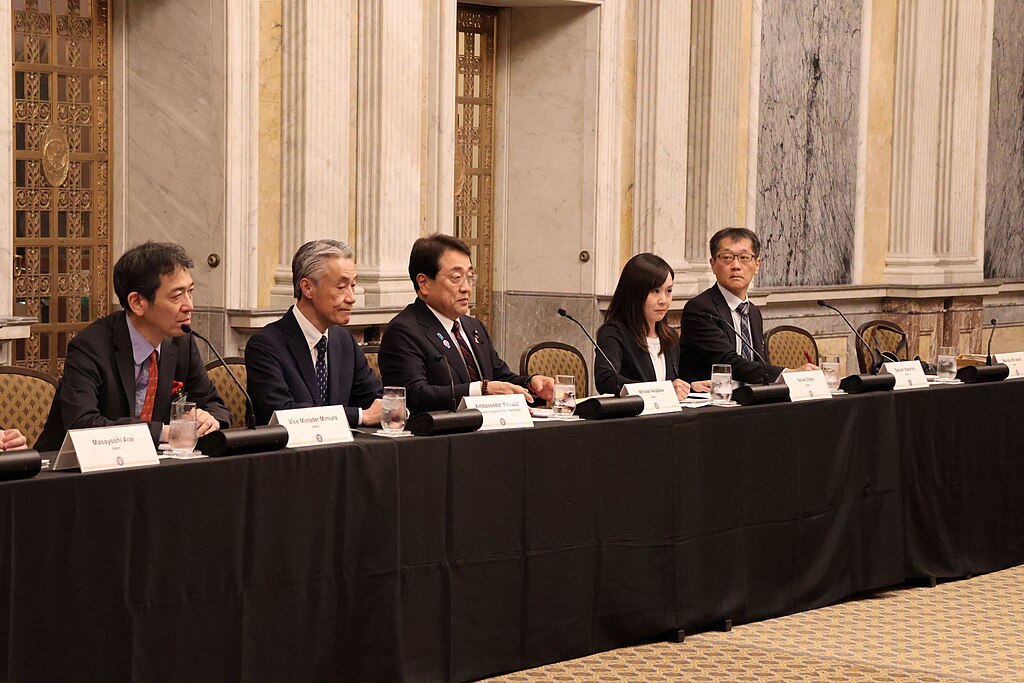
Japan reaffirmed its commitment to closely coordinate with the United States on foreign exchange policy as concerns grow over sharp movements in the yen, according to comments made Monday by Atsushi Mimura, Japan’s top currency diplomat. His remarks came amid heightened market speculation following reports of rate checks conducted by the New York Federal Reserve, which briefly triggered a sharp rise in the Japanese yen against the U.S. dollar.
Speaking to reporters, Mimura emphasized that Japan would continue to work closely with U.S. authorities in line with a joint Japan-U.S. statement issued in September last year. That agreement reaffirmed both countries’ support for market-determined exchange rates while acknowledging that foreign exchange intervention could be justified in cases of excessive volatility. Mimura stressed that Japan would “respond appropriately” based on this framework but declined to confirm whether recent market developments involved direct rate checks or signaled imminent intervention.
The yen’s sudden spike on Friday intensified speculation of potential coordinated action between Japan and the United States to stem the currency’s recent weakness. Market participants interpreted the reported rate checks as a warning signal, often seen as a precursor to official intervention. However, Mimura avoided commenting on whether such joint action was being considered, maintaining the government’s cautious and non-committal stance.
Japan’s Finance Minister Satsuki Katayama also refrained from addressing the reports directly. When asked about the alleged rate checks and the resulting yen movement, Katayama stated that there was nothing she could comment on, reinforcing the government’s consistent message of strategic silence.
Japanese officials have previously highlighted the significance of the September joint statement, noting that it marked the first time the United States formally acknowledged, in writing, Japan’s right to intervene in currency markets during periods of excessive volatility. This acknowledgment has been closely watched by investors as the yen remains under pressure amid global interest rate divergence and persistent strength in the U.S. dollar.
As currency markets remain sensitive to policy signals, Japan’s emphasis on coordination with the United States underscores its intent to balance market stability with adherence to international agreements, leaving investors alert to any signs of further action.













