


 US-Iran Ceasefire Talks Underway: What You Need to Know
  Trump Administration Opens Two New Investigations Into Harvard Over Discrimination and Antisemitism
  U.S. Deploys Elite 82nd Airborne Troops to Middle East Amid Iran Tensions
  WTO Reform Talks Begin in Cameroon Amid Global Trade Tensions
  Gold Prices Surge on U.S.-Iran Ceasefire Reports
  U.S. Oil Prices Slide as Middle East Ceasefire Talks Spark Market Optimism
  UK Consumer Confidence Weakens Amid Middle East Conflict and Rising Living Costs
  Pakistan's Diplomatic Rise: Mediating U.S.-Iran Peace Talks
  Currency Markets Show Caution Amid U.S.-Iran Negotiations
  US Accelerates Taiwan Arms Deliveries Amid Rising China Threat
  Maduro Faces Rare Narcoterrorism Charges in U.S. Court
  Australia's Inflation Eases in February but Core Pressures Persist
  Russia Strikes Kharkiv and Izmail as Cross-Border Drone War Escalates
  Iran-Israel Missile Strikes Continue Amid Mixed Signals on U.S.-Iran Diplomacy
  Trump Says Iran Offered Major Energy Concession Amid Ongoing Negotiations
  Japan's Private Sector Growth Slows in March Amid Rising Costs and Middle East Uncertainty
  Denmark Election 2025: Social Democrats Suffer Historic Losses Amid Migration and Cost-of-Living Tensions


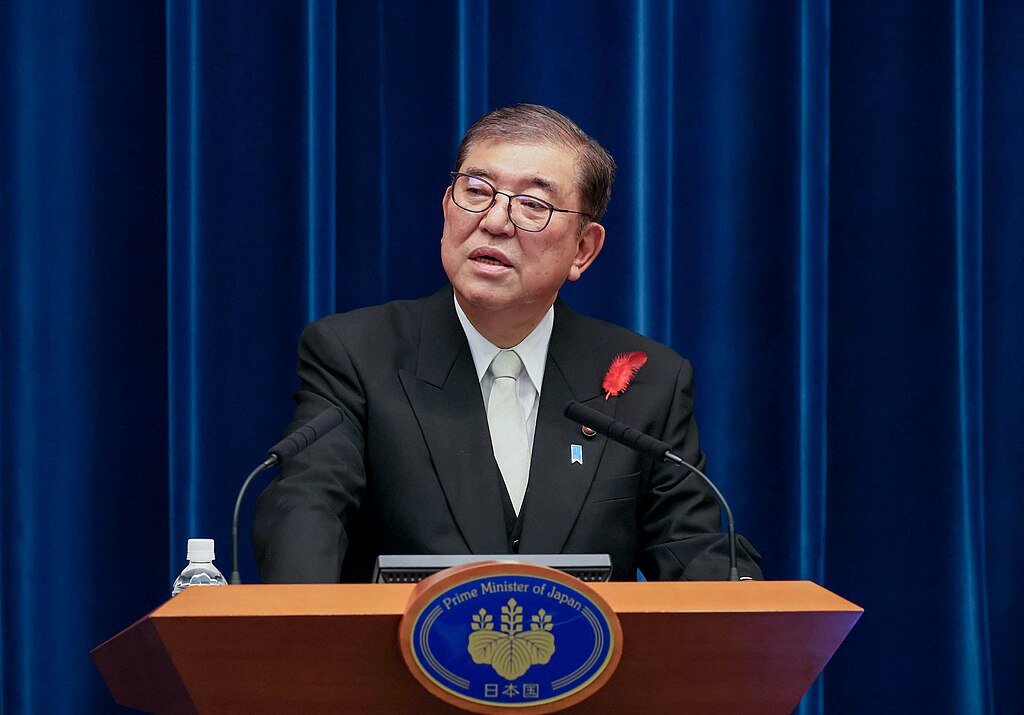
Japanese Prime Minister Shigeru Ishiba ruled out debt-funded tax cuts ahead of July’s upper house elections, citing fiscal risks and rising interest rates. Speaking to parliament on Monday, Ishiba warned that Japan’s deteriorating fiscal health, coupled with increasing borrowing costs, makes further debt issuance untenable.
“Interest rates are turning positive, and Japan’s fiscal condition is fragile,” Ishiba said. “While tax revenues are up, rising social welfare costs leave little room for fiscal expansion.”
With food inflation dampening consumer spending and U.S. tariffs threatening exports, pressure has mounted from both ruling and opposition parties to stimulate the economy by cutting the consumption tax, currently at 10%.
Finance Minister Katsunobu Kato echoed Ishiba’s caution, warning that excessive borrowing could erode investor confidence. “Losing market trust could drive up interest rates, weaken the yen, and trigger inflation,” he said.
Japan’s economic outlook remains uncertain. The country’s GDP shrank 0.7% annualized in the January-March quarter, marking the first contraction in a year. This fragile recovery faces further headwinds from global trade tensions and domestic price pressures.
Following the end of a decade-long monetary easing cycle, the Bank of Japan (BOJ) raised short-term rates to 0.5% in January and signaled more hikes if inflation holds near its 2% target. The BOJ, which owns about half of all Japanese government bonds (JGBs), is also tapering bond purchases—likely pushing up yields and increasing debt servicing costs.
Yields on long-term JGBs have already climbed since April, reflecting market concerns about Japan’s fiscal trajectory. As the BOJ tightens policy and economic challenges persist, Ishiba’s stance suggests a commitment to fiscal discipline over populist stimulus.













