


 Gold Prices Slip as U.S.-Israel-Iran War Fuels Dollar and Oil Demand
  U.S.-Israel War on Iran Sends Crude Oil Prices Surging Amid Strait of Hormuz Tensions
  ANZ and Westpac Forecast Two RBA Rate Hikes in March and May 2026
  Iran-Israel War Sparks Global Oil Crisis as Tankers Burn in Gulf Waters
  Bank of Japan Expected to Hold Rates at 0.75% Before June Hike Amid Middle East War Uncertainty
  Chinese AI Stocks Surge as Tencent, MiniMax, and Zhipu Launch Agentic AI Programs
  IEA Releases Record 400 Million Barrels of Oil Amid U.S.-Iran War
  Gold Prices Climb Above $5,200 as Iran War Uncertainty and Inflation Data Loom
  Dollar Strengthens Amid Oil Price Surge and Inflation Fears
  RBA Rate Decision: Deputy Governor Signals Genuine Debate Ahead of March Meeting
  Dollar Stabilizes Amid Iran War Uncertainty as Oil Prices Remain Elevated
  Iran-U.S. Oil Tensions Escalate as Revolutionary Guards Threaten Strait of Hormuz Blockade
  IEA Plans Record Emergency Oil Release Amid Iran Strait of Hormuz Crisis
  German Exports Drop 2.3% in January, Exceeding Forecast Decline
  Diesel Price Surge Threatens Global Economy Amid Middle East Conflict
  Asia FX Steady as Iran War Signals and U.S. Inflation Data Weigh on Sentiment
  Asian Stock Markets Rise as Oil Prices Pull Back; U.S. CPI in Focus


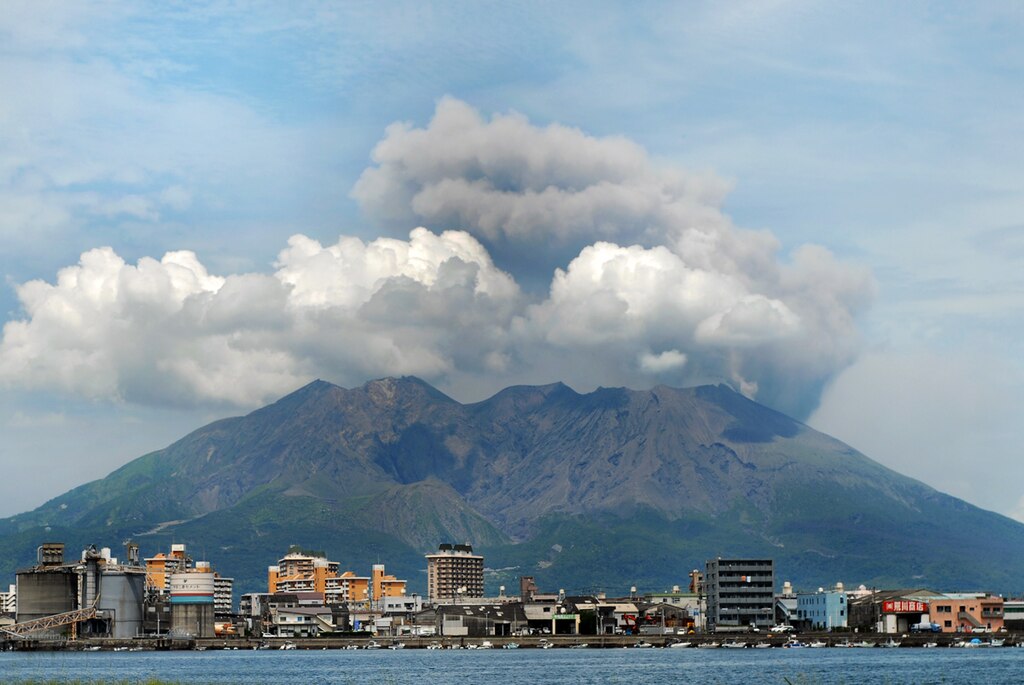
Japan has taken a major step toward securing its supply of critical minerals by launching a groundbreaking deep-sea mining mission aimed at extracting rare earth elements from the ocean floor. A government-backed Japanese mining vessel, Chikyu, departed earlier this week on a month-long expedition near Minamitori Island, a remote coral atoll located about 1,900 kilometers southeast of Tokyo. The mission marks the world’s first attempt to continuously lift rare-earth-rich seabed mud from a depth of around 6,000 meters directly onto a ship.
The initiative is part of Japan’s broader strategy to reduce its dependence on China for rare earths, which are essential for manufacturing electric vehicles, smartphones, military equipment, and other high-tech products. This effort has gained urgency as China tightens export controls on critical minerals, including a recent ban on dual-use items destined for Japan’s military. While Beijing has not officially confirmed broader restrictions, reports suggest rare earth exports to Japan may also be under review.
Japan has faced similar pressure before. In 2010, China temporarily restricted rare earth exports following a diplomatic dispute, prompting Tokyo to diversify its supply chains. Since then, Japan has reduced its reliance on China from about 90% to roughly 60% through overseas investments, recycling initiatives, and innovation in manufacturing processes that require fewer rare earths. However, Japan remains heavily dependent on China for certain heavy rare earths used in electric and hybrid vehicle motors.
The Minamitori Island project represents Japan’s first attempt to source rare earths domestically. The government has invested approximately 40 billion yen since 2018, viewing the project as a long-term solution rather than an immediate commercial venture. While estimated reserves and production targets have not been disclosed, a full-scale mining trial could begin as early as 2027 if initial tests prove successful.
Although deep-sea mining has historically been considered uneconomical due to high costs, ongoing supply risks and rising prices could make the project viable in the future. As global competition for critical minerals intensifies, Japan’s deep-sea rare earth mining mission highlights the country’s determination to strengthen economic security and build a more resilient supply chain.













