


 U.S.-Israel War on Iran Sends Crude Oil Prices Surging Amid Strait of Hormuz Tensions
  Taiwan's MQ-9B SkyGuardian Drone Order Stays on Schedule Despite Middle East Conflict
  U.S. Calls for Reassessment of International Aid to Taliban-Ruled Afghanistan
  Trump Administration Spent $5.6 Billion in Munitions in Opening Days of Iran Strikes
  Trump-Putin Call Addresses Iran War, Ukraine Peace, and Global Oil Crisis
  Shots Fired at U.S. Consulate in Toronto in Suspected National Security Incident
  Trump Doubts Iran Mining Reports as Strait of Hormuz Tensions Escalate
  Boeing Secures $289 Million Smart Bomb Contract With Israel
  After the Iran war, Persian Gulf nations face tough decisions on the US – a former diplomat explains
  Pentagon Taps Wall Street Talent to Manage $200 Billion Defense Investment Fund
  Trump Administration Launches Trade Investigations Against 16 Countries Over Industrial Overcapacity
  Israel-Iran War: Herzog Urges Patience as U.S. and Israeli Strikes Intensify
  Trump Hints at Possible U.S. Takeover of Cuba Amid Deepening Humanitarian Crisis
  Venezuela Names Paula Henao as New Oil Minister Amid U.S.-Led Industry Overhaul
  Japan's BOJ Independence Under Fire as PM Takaichi's Rate Stance Draws Political Heat
  U.S. Patriot Missiles Redeployed From South Korea Amid Middle East Conflict
  Ukraine Strikes Russian Missile Component Factory in Bryansk Using British Weapons


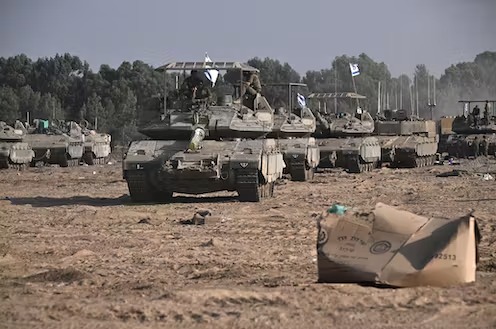
The Israeli military on Monday launched a series of airstrikes in Lebanon, targeting what it described as Hezbollah and Hamas positions, escalating tensions despite an existing ceasefire agreement. The strikes followed evacuation warnings issued by Israel for four villages located in eastern and southern Lebanon, signaling a renewed phase of military activity in the region.
According to an Israeli military spokesperson, the planned strikes focused on what were described as “military infrastructure” belonging to Hezbollah and Hamas. The targeted locations included the villages of Hammara and Ain el-Tineh in Lebanon’s eastern Bekaa Valley, as well as Kfar Hatta and Aanan in the south. Residents in these areas were urged to evacuate ahead of the attacks, which Israel said were aimed at preventing militant operations near its borders.
The latest Israeli strikes come amid a fragile U.S.-brokered ceasefire agreed upon in 2024, which ended more than a year of intense fighting between Israel and Hezbollah. That conflict saw widespread Israeli bombardments that significantly weakened the Iran-backed militant group. However, since the ceasefire took effect, both Israel and Lebanon have repeatedly accused each other of violating its terms, keeping tensions high along the border.
Lebanon is now facing increasing diplomatic pressure from the United States and Israel to take concrete steps toward disarming Hezbollah. Israeli officials argue that the group’s military presence poses an ongoing security threat, while Lebanese leaders warn that forced disarmament could destabilize the country further. The situation is particularly sensitive as Lebanon continues to grapple with economic collapse, political deadlock, and the aftermath of repeated military confrontations.
Fears are growing within Lebanon that Israel could significantly expand its military campaign if progress on dismantling Hezbollah’s arsenal is not made. Such an escalation could lead to widespread destruction across the already battered country, raising concerns among civilians and international observers alike.
As regional tensions persist, the renewed Israeli military strikes highlight the fragility of the ceasefire and the ongoing risk of broader conflict involving Israel, Hezbollah, and Hamas, with serious implications for stability in the Middle East.













