


 Trump Endorses Japan’s Sanae Takaichi Ahead of Crucial Election Amid Market and China Tensions
  India–U.S. Interim Trade Pact Cuts Auto Tariffs but Leaves Tesla Out
  Oil Prices Slip as U.S.-Iran Talks Ease Middle East Tensions
  Asian Stocks Slip as Tech Rout Deepens, Japan Steadies Ahead of Election
  Bank of Japan Signals Readiness for Near-Term Rate Hike as Inflation Nears Target
  Vietnam’s Trade Surplus With US Jumps as Exports Surge and China Imports Hit Record
  Indian Refiners Scale Back Russian Oil Imports as U.S.-India Trade Deal Advances
  Trump’s Inflation Claims Clash With Voters’ Cost-of-Living Reality
  Singapore Budget 2026 Set for Fiscal Prudence as Growth Remains Resilient
  Gold and Silver Prices Slide as Dollar Strength and Easing Tensions Weigh on Metals
  U.S. Stock Futures Rise as Markets Brace for Jobs and Inflation Data
  South Africa Eyes ECB Repo Lines as Inflation Eases and Rate Cuts Loom
  U.S.-India Trade Framework Signals Major Shift in Tariffs, Energy, and Supply Chains
  Japan Economy Poised for Q4 2025 Growth as Investment and Consumption Hold Firm
  Yen Slides as Japan Election Boosts Fiscal Stimulus Expectations


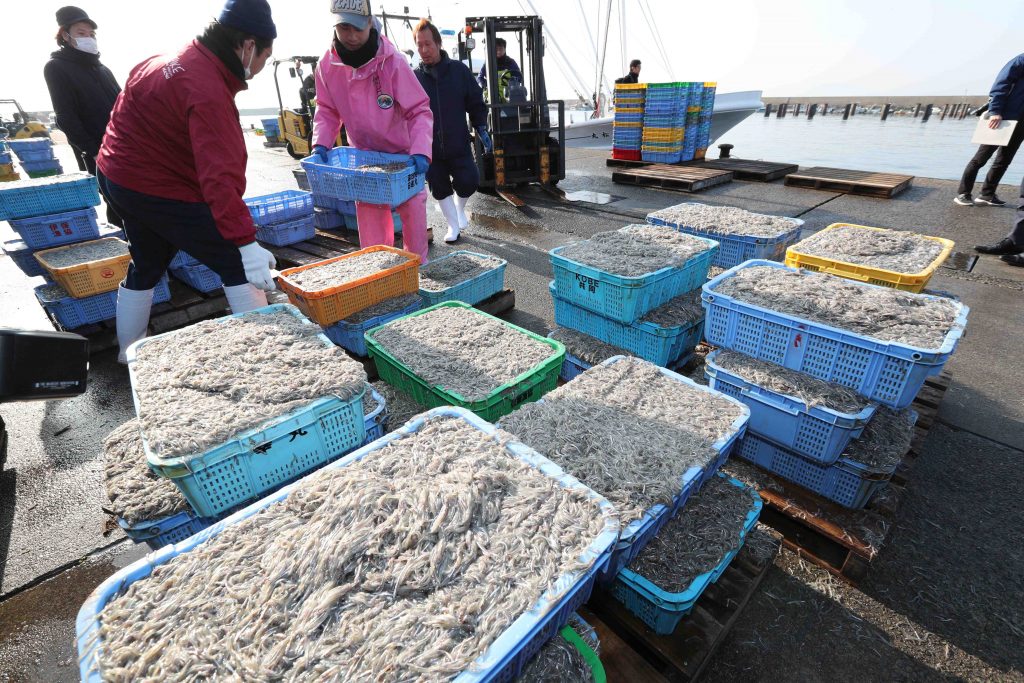
Israel has removed import restrictions on food items from Japan imposed due to the 2011 Fukushima nuclear disaster, reducing the number of countries and regions with such trade policies to 15.
All Fukushima food products and some items such as grain, seafood, and mushrooms from Iwate, Miyagi, Tochigi, Gunma, and Chiba prefectures were subjected to the import restrictions.
The restrictions include submitting radiation inspection certificates and having all the items tested upon entry.
Japan farm minister Kotaro Nogami urged countries and regions retaining import restrictions to ease or eliminate them
Israel is now among 39 countries and regions that have lifted import restrictions.
The 15 countries and regions maintaining restrictions on Japanese food imports include China, South Korea, and the US.













