


 Global Markets Slide as AI, Crypto, and Precious Metals Face Heightened Volatility
  RBI Holds Repo Rate at 5.25% as India’s Growth Outlook Strengthens After U.S. Trade Deal
  Trump Signs Executive Order Threatening 25% Tariffs on Countries Trading With Iran
  Fed Governor Lisa Cook Warns Inflation Risks Remain as Rates Stay Steady
  Gold Prices Slide Below $5,000 as Strong Dollar and Central Bank Outlook Weigh on Metals
  Japan Economy Poised for Q4 2025 Growth as Investment and Consumption Hold Firm
  Trump Endorses Japan’s Sanae Takaichi Ahead of Crucial Election Amid Market and China Tensions
  Dollar Steadies Ahead of ECB and BoE Decisions as Markets Turn Risk-Off
  Asian Stocks Slip as Tech Rout Deepens, Japan Steadies Ahead of Election
  South Korea Assures U.S. on Trade Deal Commitments Amid Tariff Concerns
  Japanese Pharmaceutical Stocks Slide as TrumpRx.gov Launch Sparks Market Concerns
  Trump’s Inflation Claims Clash With Voters’ Cost-of-Living Reality
  South Korea’s Weak Won Struggles as Retail Investors Pour Money Into U.S. Stocks
  South Africa Eyes ECB Repo Lines as Inflation Eases and Rate Cuts Loom
  Silver Prices Plunge in Asian Trade as Dollar Strength Triggers Fresh Precious Metals Sell-Off
  U.S. Stock Futures Slide as Tech Rout Deepens on Amazon Capex Shock
  Oil Prices Slide on US-Iran Talks, Dollar Strength and Profit-Taking Pressure


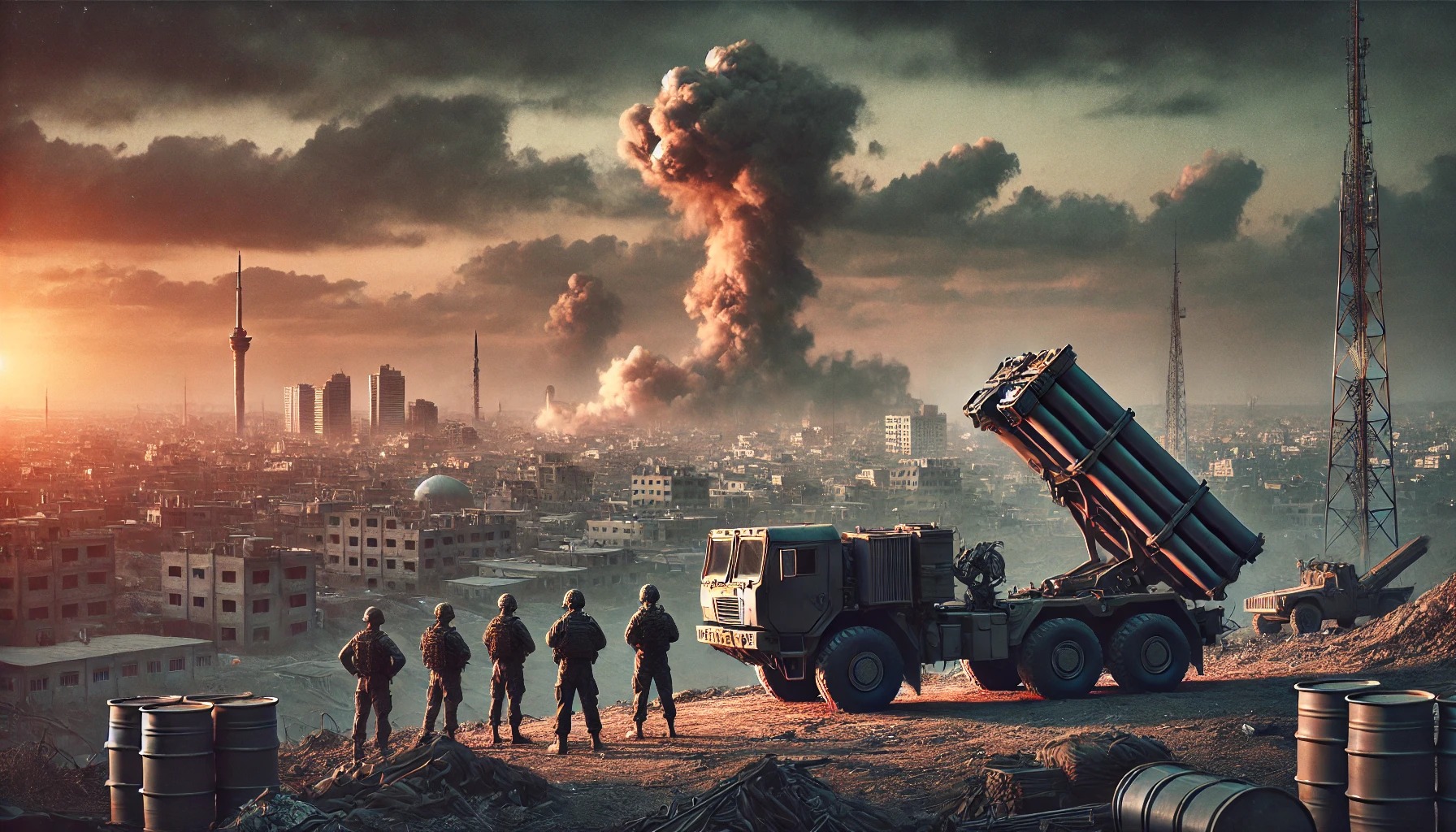
Israeli Prime Minister Benjamin Netanyahu vowed on Tuesday that Iran would “pay” for its missile attacks against Israel, prompting warnings from Tehran of "vast destruction" if retaliated against. This escalation has heightened concerns of a broader conflict in the Middle East.
The U.S. expressed full support for its ally Israel, while Iran's armed forces warned that any intervention by Israel’s allies would trigger an attack on their “bases and interests” in the region. Oil prices surged by 5% amid growing concerns of a wider conflict. The U.N. Security Council has scheduled a meeting on the Middle East for Wednesday.
Netanyahu stated, “Iran made a big mistake tonight – and it will pay for it,” following a security meeting. Iran’s Revolutionary Guard Corps said the assault was in response to Israel’s targeting of militant leaders and actions against Hezbollah in Lebanon and Gaza.
Concerns about a larger conflict have grown as Israel intensified its operations in Lebanon over the past two weeks, including the start of a ground campaign on Monday. On Tuesday, Iran launched more than 180 ballistic missiles at Israel, prompting alarms across the country, with explosions heard in Jerusalem and the Jordan River Valley. While Israeli air defenses intercepted most of the missiles, some struck central and southern Israel, damaging buildings but causing no injuries, according to officials.
The U.S. Navy deployed interceptors against the Iranian missiles targeting Israel, and President Joe Biden described the attack as “ineffective,” affirming full U.S. support for Israel. Israel’s U.N. Ambassador Danny Danon warned, “Iran will soon feel the consequences of their actions.”
Iran’s armed forces warned that any Israeli response would face "vast destruction" and threatened the regional assets of any Israeli ally. Iran claimed its operation targeted Israeli military facilities and urged U.N. intervention, while international leaders, including U.N. Secretary-General Antonio Guterres and EU foreign policy chief Josep Borrell, called for a ceasefire.
The conflict marks an escalation in a volatile region, with fears of an extended ground campaign involving Israel and Hezbollah, Iran’s most potent proxy force in the Middle East.













