


 Iran Launches Drone Attack on Bahrain After U.S. Strikes, Strait of Hormuz Tensions Escalate
  Trump Threatens 100% Tariffs on Countries Imposing Digital Services Taxes on U.S. Tech Firms
  Trump Suspends Some Morocco Fertilizer Tariffs to Ease U.S. Supply Shortage
  Australia, Vanuatu Sign Security Pact Amid Pacific Influence Competition
  China Expands Export Controls, Adds 20 Japanese Companies to Restricted List
  Taiwan Coast Guard Officer Finds Strength in Faith as China Increases Pressure in Taiwan Strait
  Trump Signs Memorandum Backing Americans’ Right to Repair Their Own Vehicles
  Australia Plans Higher Fines for Social Media Firms Failing to Block Underage Users
  Russian Attacks Kill Four in Ukraine as Zaporizhzhia and Kharkiv Come Under Fire
  US Strikes Iran Again After Strait of Hormuz Tanker Attack Escalates Ceasefire Tensions
  Israeli Airstrike Kills Three in Central Gaza Despite Ceasefire
  Russia Intensifies Assault on Kostiantynivka as Ukraine’s Donetsk Defense Faces Mounting Pressure
  Maria Corina Machado’s Return to Venezuela Faces U.S. Hesitation After Deadly Earthquakes
  Despite its best efforts, Iran won’t be able to toll the Strait of Hormuz. Here’s why
  US, Iran Agree to Halt Attacks Ahead of Doha Talks on Strait of Hormuz


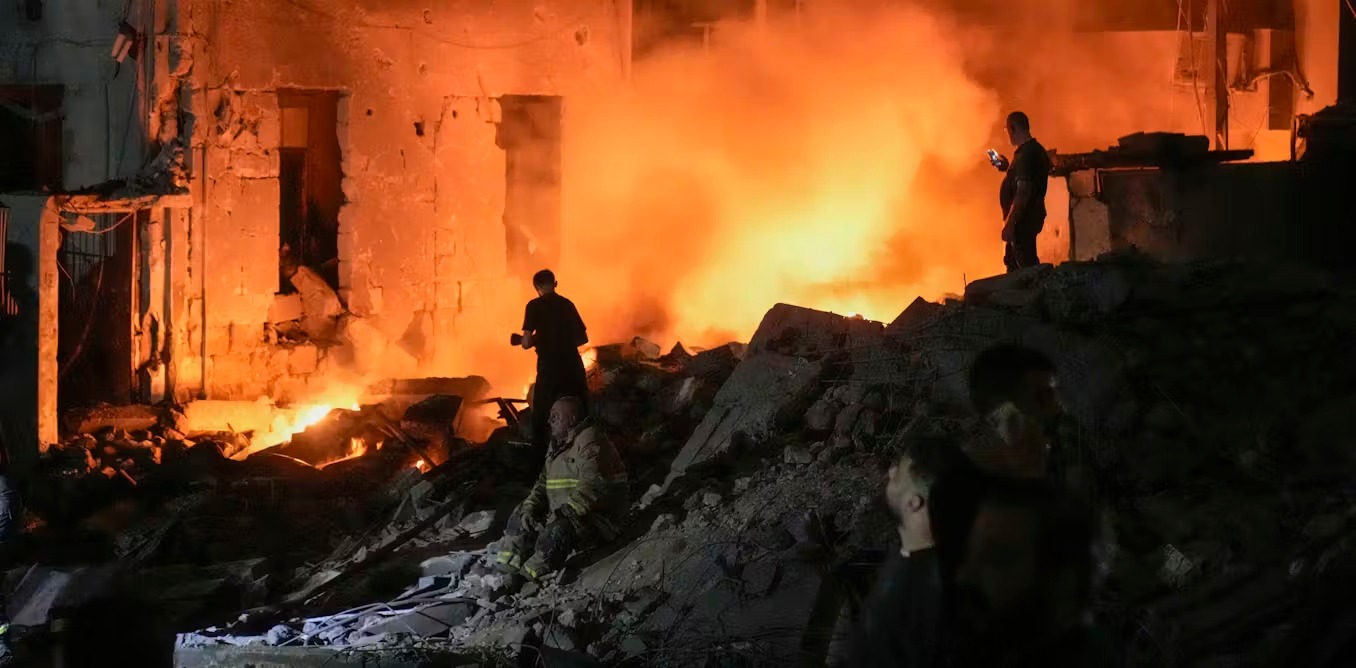
Israel launched more than 120 air strikes across Lebanon on Tuesday, marking one of the most intense bombing campaigns in recent weeks as tensions with Hezbollah continue to rise. Lebanese security officials confirmed that the attacks targeted southern and eastern Lebanon, further threatening the fragile ceasefire announced on April 16.
According to Lebanon’s health ministry, at least 31 people were killed and 40 others wounded in the latest Israeli strikes. State media reported that 14 victims died in the southern town of Burj al-Shamali, including women and children. Several attacks also struck areas near the historic Beaufort Castle and close to the Qaraoun Dam, Lebanon’s largest water reservoir.
Israeli Prime Minister Benjamin Netanyahu stated that Israeli forces were expanding military operations in Lebanon and strengthening a security zone near the border to protect northern Israeli communities. Reports indicate Israeli ground troops have moved beyond the so-called Yellow Line, a proposed buffer zone extending several kilometers into southern Lebanon.
The Israeli military said its operations are aimed at eliminating threats posed by Hezbollah fighters and drone attacks. Hezbollah responded by claiming responsibility for attacks on Israeli tanks and troops advancing toward the town of Zawtar al-Sharqiya using rockets, artillery, and explosive drones.
The renewed violence has increased concerns about regional instability following recent tensions involving Iran and the United States. Lebanese officials say the conflict has caused significant civilian casualties since fighting resumed in March after Hezbollah launched projectiles into Israel.
Lebanon’s health ministry reports that more than 3,200 people have been killed and nearly 9,800 wounded since the latest escalation began. Meanwhile, Israel says 10 of its soldiers have died since the April ceasefire, including several killed by Hezbollah drone attacks.
The ongoing Israel-Hezbollah conflict continues to fuel fears of a broader Middle East war in 2026.







