


 Australia's Inflation Eases in February but Core Pressures Persist
  Oil Prices Plunge Over 6% as Middle East Ceasefire Hopes Ease Supply Fears
  Gold Prices Surge on U.S.-Iran Ceasefire Reports
  Federal Reserve Balance Sheet Reduction: Brookings Research Outlines Possible Path Forward
  UK Consumer Confidence Weakens Amid Middle East Conflict and Rising Living Costs
  Oil Prices Rebound as Iran Denies U.S. Talks, Middle East Tensions Persist
  U.S. Stock Futures Steady as Iran Reviews U.S. Ceasefire Proposal
  Wall Street Slides as Iran War Uncertainty, Oil Surge, and AI Fears Rattle Markets
  Currency Markets Show Caution Amid U.S.-Iran Negotiations
  Asian Currencies Weaken as Dollar Rebounds Amid Middle East Uncertainty and Japan Inflation Data
  Trump Tariffs Show Minimal Economic Impact but Boost Federal Revenue, Study Finds
  Middle East War Rattles Global Markets as Oil Tops $100 and Dollar Surges
  U.S. Oil Prices Slide as Middle East Ceasefire Talks Spark Market Optimism
  U.S. Dollar Weakens as Trump Signals Iran Deal Possibility
  Bank of Japan Officials Signal Continued Interest Rate Hikes Amid Inflation Concerns
  Bank of Japan Eyes April Rate Hike Despite Inflation Dip, ING Says


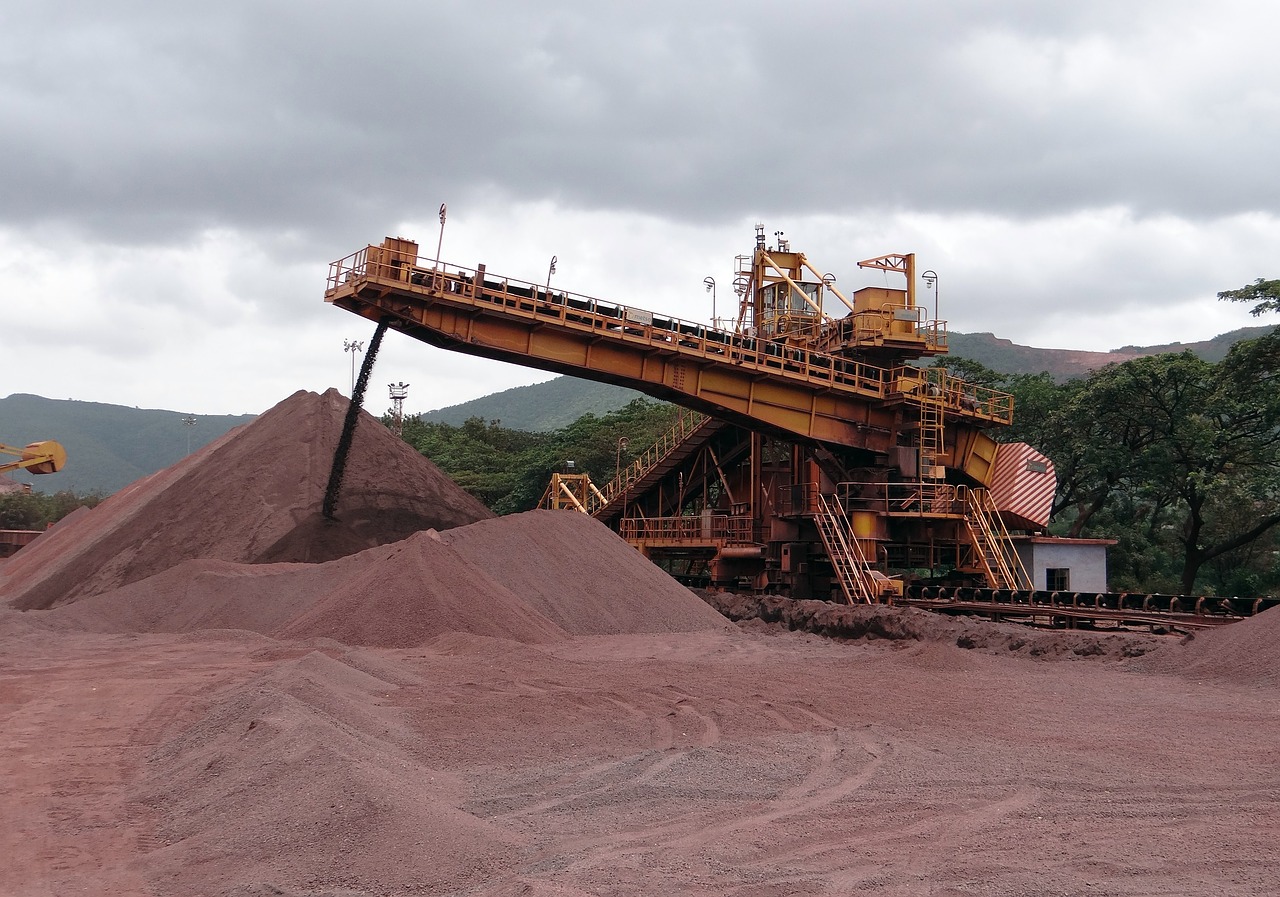
Iron ore futures edged lower on Wednesday as escalating trade tensions between the U.S. and China pressured prices. However, optimism over rising Chinese steel demand helped cushion the decline.
The most-traded May iron ore contract on China’s Dalian Commodity Exchange (DCE) fell 0.7% to 776 yuan ($106.76) per metric ton as of 0249 GMT. The benchmark April iron ore contract on the Singapore Exchange dropped 1.07% to $99.75 per ton.
Market sentiment weakened after U.S. President Donald Trump’s tariff hike on Chinese goods to 20% took effect Tuesday. In response, Beijing imposed higher import levies on $21 billion worth of U.S. agricultural products, suspended soybean import licenses for three American firms, and halted log imports. The potential for further tariffs weighed on investor confidence, with additional U.S. duties on steel and aluminum set to begin on March 12.
Despite trade concerns, China maintained its economic growth target at around 5% and boosted stimulus efforts to counter rising tariffs. A private-sector survey showed China’s services sector expanded slightly in February, driven by increased demand.
China’s iron ore supply and demand are expected to strengthen in March, typically a peak season for steel consumption. According to Chinese consultancy Mysteel, this could keep iron ore prices stable despite market volatility. Meanwhile, Beijing announced plans to restructure its struggling steel industry by enforcing production cuts.
Most steel benchmarks on the Shanghai Futures Exchange slipped, with rebar down 0.27%, hot-rolled coil falling 0.24%, and stainless steel declining 0.35%. Other steelmaking materials also weakened, with coking coal and coke prices dropping 2.19% and 1.82%, respectively.
While trade uncertainties persist, strong Chinese steel demand and supply constraints may support iron ore prices in the coming months.













