


 US Accelerates Taiwan Arms Deliveries Amid Rising China Threat
  U.S.-Iran Peace Talks Gain Momentum Amid Ongoing Conflict
  G7 Foreign Ministers Gather in France Amid Global Tensions and U.S. Policy Uncertainty
  Bachelet Pushes Forward With UN Secretary-General Bid Despite Chile's Withdrawal
  Jay Bhattacharya to Continue Leading CDC as White House Searches for Permanent Director
  Trump to Visit China in May for High-Stakes Xi Summit Amid Iran War
  Trump Seeks Quick End to U.S.-Iran Conflict Amid Ongoing Middle East Tensions
  Trump Says Iran Offered Major Energy Concession Amid Ongoing Negotiations
  Trump's Overhaul of American History: Museums, Monuments, and Cultural Institutions
  U.S. Deploys Elite 82nd Airborne Troops to Middle East Amid Iran Tensions
  Pakistan's Diplomatic Rise: Mediating U.S.-Iran Peace Talks
  Iran-Israel Missile Strikes Continue Amid Mixed Signals on U.S.-Iran Diplomacy
  Maduro Faces Rare Narcoterrorism Charges in U.S. Court
  Trump Administration Opens Two New Investigations Into Harvard Over Discrimination and Antisemitism
  Kristi Noem Ends Western Hemisphere Tour in Diminished Role After DHS Firing
  Denmark Election 2025: Social Democrats Suffer Historic Losses Amid Migration and Cost-of-Living Tensions
  Iran Demands Lebanon Be Part of Any Ceasefire Deal With Israel and the U.S.


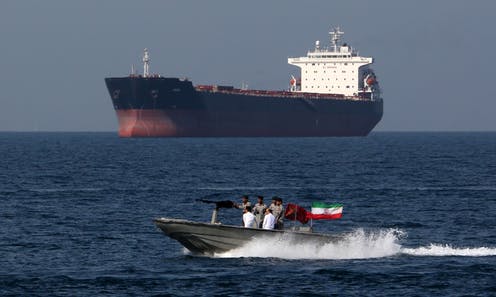
U.S. intelligence has revealed that Iran loaded naval mines onto vessels in the Persian Gulf last month, sparking fears of a potential blockade of the Strait of Hormuz. The move came shortly after Israel’s missile strikes on Iranian territory on June 13 and has raised alarms in Washington over possible escalation in the region.
While the mines have not yet been deployed, their presence suggests Tehran was seriously considering closing the critical shipping route. Roughly 20% of the world’s oil and gas supply transits through the Strait of Hormuz, and any disruption could send global energy prices soaring. However, oil prices have declined more than 10% since U.S. airstrikes on Iran’s nuclear facilities on June 22, due to market relief over continued oil flow.
Iran’s parliament recently supported a measure to block the strait, but the final decision lies with the Supreme National Security Council. Historically, Iran has made similar threats without acting on them. The U.S. believes Iran may have loaded the mines as a deterrent or to prepare for a future directive.
The narrow strait, just 21 miles wide at its tightest point, serves as a vital passage for oil exports from major producers like Saudi Arabia, Iraq, and the UAE, along with most of Qatar’s LNG exports. Iran also relies heavily on the waterway for its own crude shipments, adding complexity to any blockade plans.
The U.S. Navy’s Fifth Fleet, based in Bahrain, oversees security in the region. Anti-mine vessels were withdrawn prior to recent U.S. strikes as a precaution. Iran’s direct response was limited to a missile attack on a U.S. base in Qatar, but officials remain alert to further actions.













