


 U.S. Senate Greenlights AI Chatbots for Official Staff Use
  Trump Administration Spent $5.6 Billion in Munitions in Opening Days of Iran Strikes
  Bipartisan Housing Bill Advances in Senate, Aims to Tackle U.S. Affordability Crisis
  Japan's BOJ Independence Under Fire as PM Takaichi's Rate Stance Draws Political Heat
  U.S.-Israel War on Iran Sends Crude Oil Prices Surging Amid Strait of Hormuz Tensions
  Venezuela Names Paula Henao as New Oil Minister Amid U.S.-Led Industry Overhaul
  Trump Announces New U.S. Oil Refinery in Texas with Indian Energy Giant Reliance
  Boeing Secures $289 Million Smart Bomb Contract With Israel
  Shots Fired at U.S. Consulate in Toronto in Suspected National Security Incident
  U.S. Calls for Reassessment of International Aid to Taliban-Ruled Afghanistan
  Pentagon Taps Wall Street Talent to Manage $200 Billion Defense Investment Fund
  U.S. and Russia Hold Diplomatic Talks in Florida Amid Ongoing Tensions
  FBI Warns of Possible Iranian Drone Attacks on California Amid U.S.-Iran War
  Ukraine Strikes Russian Missile Component Factory in Bryansk Using British Weapons
  Trump Hints at Possible U.S. Takeover of Cuba Amid Deepening Humanitarian Crisis
  Taiwan's MQ-9B SkyGuardian Drone Order Stays on Schedule Despite Middle East Conflict
  Trump Administration Launches Trade Investigations Against 16 Countries Over Industrial Overcapacity


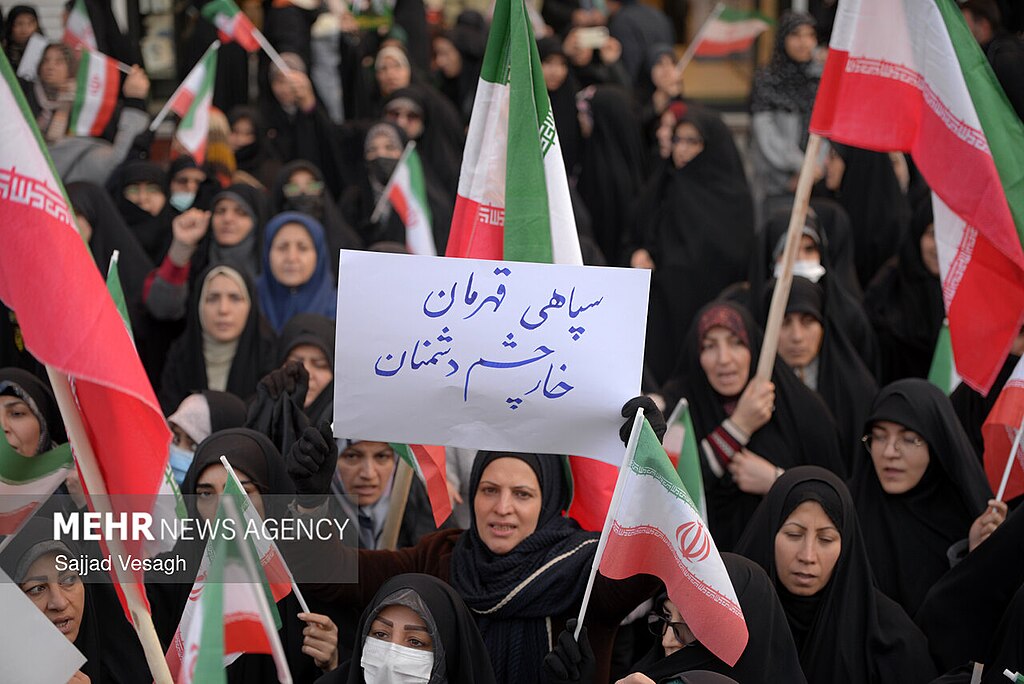
Iran’s president has warned that any U.S. military strike against the country would trigger a “harsh and regrettable response,” as Iran faces mounting international scrutiny over its deadliest wave of protests in decades. The unrest, which erupted last month in Tehran’s Grand Bazaar over economic hardship, quickly escalated into nationwide demonstrations demanding an end to clerical rule.
The protests spread across cities and social classes, drawing shopkeepers, students, men and women, and citizens from both low- and high-income groups. According to an Iranian official speaking to Reuters, at least 5,000 people have been killed, including around 500 security personnel. However, U.S.-based human rights group HRANA reported a confirmed death toll of 3,308, with thousands more cases under review, and said more than 24,000 people have been arrested during the unrest.
U.S. President Donald Trump has repeatedly warned that Washington could intervene if protesters continue to be killed or executed. In a recent interview, Trump said it was “time to look for new leadership in Iran,” further escalating tensions. Tehran, under increasing pressure, has sought to deter U.S. involvement by issuing strong warnings. President Masoud Pezeshkian said on social media that any attack on Iran’s supreme leader would amount to “an all-out war against the nation.”
Iranian authorities have indicated that executions of detainees may proceed. The judiciary has classified some actions during the protests as “Mohareb,” or waging war against God, an offense punishable by death under Iranian law. Supreme Leader Ayatollah Ali Khamenei accused the U.S. and Israel of backing what he called “rioters and terrorists,” while acknowledging that several thousand people had died.
Security forces launched a violent crackdown that caused protests to dwindle last week. Internet blackouts have disrupted communication, though access was briefly restored before being cut again. The heaviest casualties were reported in Iran’s Kurdish regions, where clashes have historically been severe. Witnesses and verified videos show security forces firing on protesters and violently dispersing crowds, underscoring the scale and intensity of the crisis as Iran-U.S. tensions continue to rise.













