


 Venezuela Names Paula Henao as New Oil Minister Amid U.S.-Led Industry Overhaul
  Anthropic Sues Pentagon Over AI Blacklist, Citing Free Speech Violations
  Mexico's Electoral Reform Bill Fails in Congress as Coalition Fractures
  U.S. Calls for Reassessment of International Aid to Taliban-Ruled Afghanistan
  Iran-Israel War Sparks Global Oil Crisis as Tankers Burn in Gulf Waters
  Trump Administration Spent $5.6 Billion in Munitions in Opening Days of Iran Strikes
  Iran-U.S. Oil Tensions Escalate as Revolutionary Guards Threaten Strait of Hormuz Blockade
  Russian Drone Strikes Hit Kharkiv and Dnipro, Injuring Over 20 Civilians
  Taiwan's MQ-9B SkyGuardian Drone Order Stays on Schedule Despite Middle East Conflict
  Japan's BOJ Independence Under Fire as PM Takaichi's Rate Stance Draws Political Heat
  Shots Fired at U.S. Consulate in Toronto in Suspected National Security Incident
  Trump Administration Launches Trade Investigations Against 16 Countries Over Industrial Overcapacity
  Israel-Iran War: Herzog Urges Patience as U.S. and Israeli Strikes Intensify
  FBI Warns of Possible Iranian Drone Attacks on California Amid U.S.-Iran War
  Trump-Putin Call Addresses Iran War, Ukraine Peace, and Global Oil Crisis
  U.S. Senate Greenlights AI Chatbots for Official Staff Use


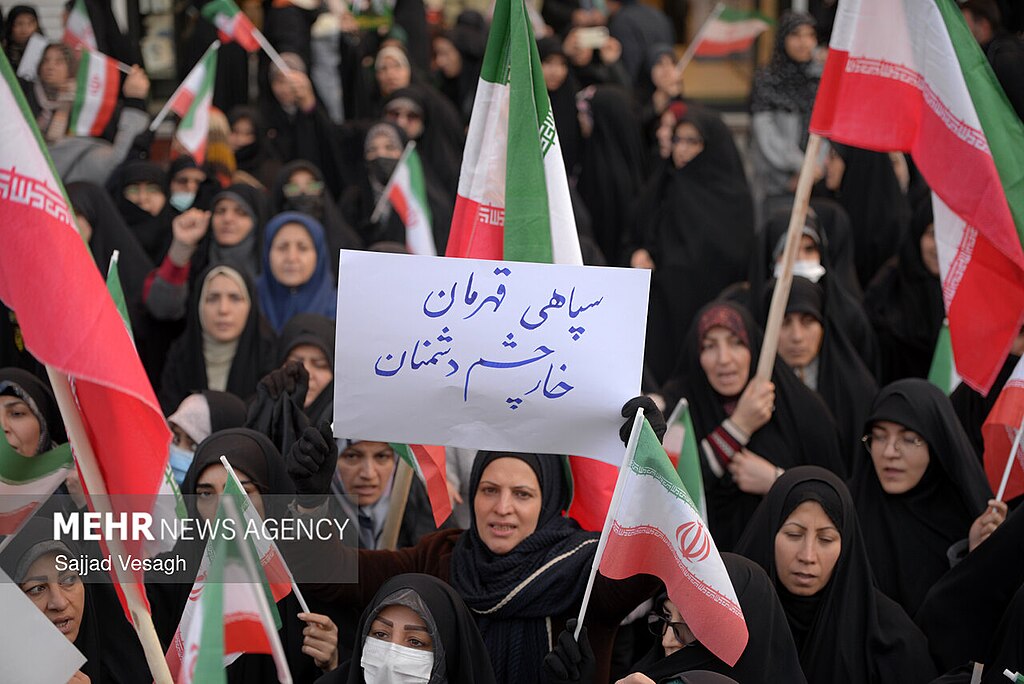
Iran has issued a strong warning to the United States, stating that any military attack on its territory would be treated as an all-out war, as tensions escalate ahead of the arrival of a U.S. aircraft carrier strike group and other military assets in the Middle East. A senior Iranian official, speaking anonymously on Friday, said the country’s armed forces are on the highest level of alert and fully prepared for a worst-case scenario.
According to the official, Iran hopes the U.S. military buildup is not intended to provoke a direct confrontation. However, Tehran views the movement of American forces as a serious threat. The official emphasized that Iran would not differentiate between types of military action, saying that any strike—whether described as limited, surgical, or kinetic—would be met with a severe and comprehensive response.
U.S. President Donald Trump said on Thursday that an “armada” of U.S. forces was heading toward Iran but added that he hoped military action would not be necessary. He also reiterated warnings to Tehran over potential actions such as harming protesters or restarting its nuclear program. These remarks have further heightened concerns about a possible military conflict between the United States and Iran.
The Iranian official stated that any violation of Iran’s sovereignty or territorial integrity would trigger retaliation, although he declined to provide details about what form that response might take. He added that Iran, facing constant military pressure from the United States, has no choice but to ensure all defensive and deterrent capabilities are ready for use to counter any attack and restore strategic balance in the region.
The U.S. military has a history of deploying additional forces to the Middle East during periods of increased tension, often framing such moves as defensive. However, last year’s significant U.S. military buildup preceded strikes on Iran’s nuclear facilities, adding to Iranian concerns. As U.S.-Iran tensions rise again, the risk of miscalculation and wider conflict in the Middle East remains a key concern for regional and global security.













