


 Federal Reserve Balance Sheet Reduction: Brookings Research Outlines Possible Path Forward
  Australia's Inflation Eases in February but Core Pressures Persist
  UK Consumer Confidence Weakens Amid Middle East Conflict and Rising Living Costs
  Asian Stocks Gain Amid Iran Conflict Uncertainty
  Australia-EU Free Trade Deal Signed After Years of Negotiations
  Currency Markets Show Caution Amid U.S.-Iran Negotiations
  Bank of Japan Eyes April Rate Hike Despite Inflation Dip, ING Says
  WTO Reform Talks Begin in Cameroon Amid Global Trade Tensions
  U.S. Futures Slide as Iran Denies Nuclear Talks with Washington
  U.S. Dollar Weakens as Trump Signals Iran Deal Possibility
  Bank of Japan Officials Signal Continued Interest Rate Hikes Amid Inflation Concerns
  Oil Prices Plunge Over 6% as Middle East Ceasefire Hopes Ease Supply Fears
  Gold Prices Surge on U.S.-Iran Ceasefire Reports
  Asian Currencies Weaken as Dollar Rebounds Amid Middle East Uncertainty and Japan Inflation Data
  U.S. Stock Futures Steady as Iran Reviews U.S. Ceasefire Proposal
  Iran-Israel Missile Strikes Continue Amid Mixed Signals on U.S.-Iran Diplomacy


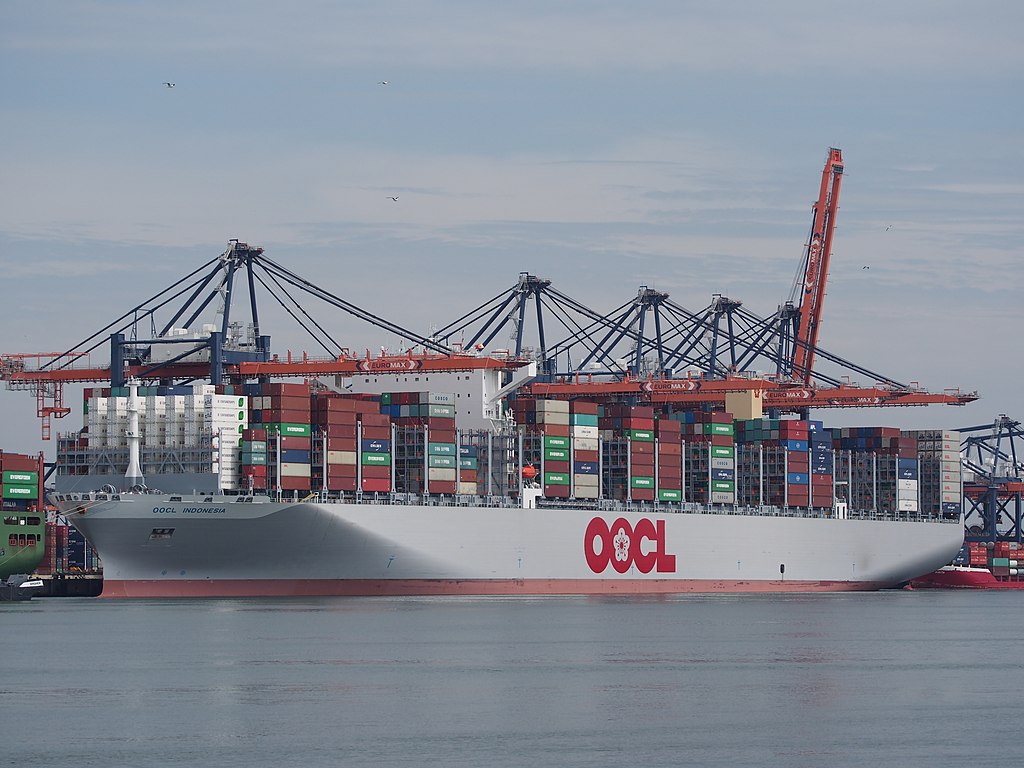
Indonesia recorded a trade surplus of $4.34 billion in September 2025, according to official data released on Monday. The figure came in slightly below the $4.79 billion forecast by economists in a Reuters poll, as both exports and imports exceeded market expectations, signaling stronger trade activity in Southeast Asia’s largest economy.
Data from Statistics Indonesia (BPS) showed that imports rose by 7.17% year-on-year to $20.34 billion, significantly higher than economists’ projections of a modest 1% increase. The strong import growth suggests resilient domestic demand and increased industrial activity, reflecting confidence in Indonesia’s post-pandemic recovery momentum.
Meanwhile, exports surged 11.41% to $24.68 billion, beating expectations for a 7.72% rise. The robust export performance was driven by higher demand for key commodities such as palm oil, coal, nickel, and other mineral resources, which continue to play a vital role in supporting Indonesia’s external balance. The country’s export growth has also been bolstered by improved global commodity prices and strong shipments to major trade partners, including China, the United States, and India.
Despite the narrower trade surplus, analysts believe Indonesia’s external position remains stable. The surplus marks the 45th consecutive month of positive trade balance, underlining the country’s solid export-oriented economy. However, economists note that rising imports could start to weigh on the surplus in the coming months as domestic investment and consumer demand continue to climb.
Statistics Indonesia is expected to release October inflation data and other key economic indicators later on Monday, providing further insights into the country’s economic health and policy outlook. The sustained export and import growth highlight Indonesia’s resilience amid global uncertainties and reinforce its position as one of Asia’s strongest emerging markets.













