


 BlackRock’s Rick Rieder Favors Bonds Over Stocks as Treasury Yields Surge
  Japanese Yen Retreats as Dollar Rises Ahead of Fed, BOJ Rate Decisions
  BOJ Set for Rate Hike as Inflation and Yen Pressure Mount
  BOJ Flags Import Costs and Yen Shocks as Persistent Inflation Risks
  Fed Rate Hike Threatens Housing as U.S. Growth Leans on AI, Citi Says
  Trump Eyes $54 Billion South Korean Investment in Alaska LNG
  South Korea Exports Set for 16th Monthly Gain on AI Chip Demand
  Yen in Focus as BOJ, Fed Rate Hikes Reshape Currency Markets
  Gold Holds Near Seven-Week Low as Fed Rate Hike Bets Rise
  Oil Prices Slide as Middle East Flows Recover
  RBA Says ASX Still Falls Short on Governance and Risk Controls
  RBA Hikes Interest Rate to 4.60% as Inflation Risks Rise
  Nvidia China Chip Sales Report Sends Chinese Semiconductor Stocks Lower
  Asian Stocks Fall as Oil Surge, Bond Yields and AI Concerns Hit Markets


 Add as a preferred source on Google
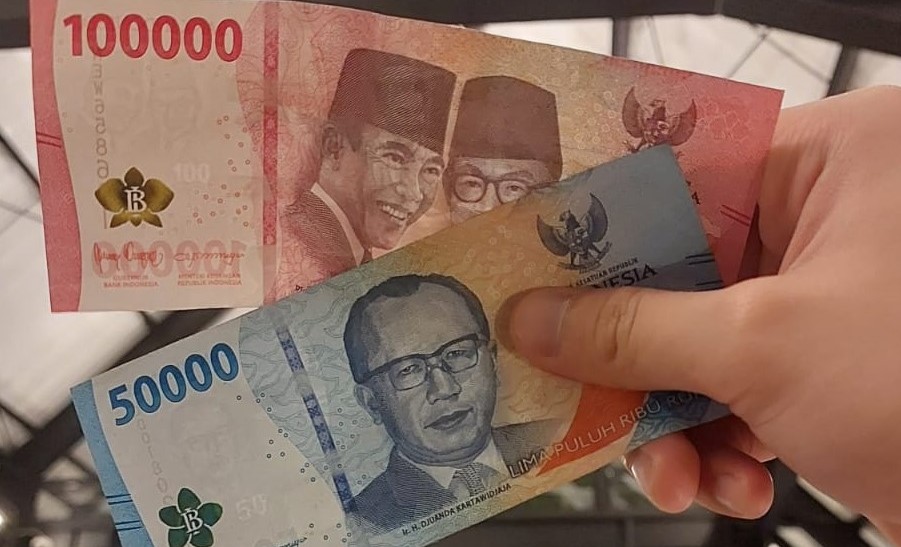
Indonesia’s central bank is setting a stronger direction for the national currency, with Governor Perry Warjiyo announcing that Bank Indonesia (BI) aims to bring the rupiah to around 16,500 per U.S. dollar—and potentially as strong as 16,400—by next year. Speaking at an economic forum on Monday, Warjiyo emphasized the bank’s commitment to maintaining currency stability while supporting the country’s economic growth, marking a rare move to publicly offer specific rupiah guidance.
The rupiah, which was trading at 16,660 per U.S. dollar as of 0310 GMT, has struggled in 2024 and is currently the second-worst performing currency in emerging Asia. It has weakened by roughly 3.4% since the start of the year, pressured by global market volatility, lingering uncertainty over U.S. monetary policy, and ongoing geopolitical tensions that continue to affect risk sentiment across emerging markets.
Bank Indonesia has kept policy rates unchanged since November, prioritizing exchange rate stability over further tightening as it monitors external pressures. The decision reflects BI’s strategy to defend the rupiah through monetary tools, market interventions, and coordination with the government to ensure financial stability. According to Warjiyo, there remains sufficient room for future rate cuts once global conditions become more favorable, signaling BI’s ongoing effort to balance monetary easing with maintaining positive investor confidence.
Warjiyo’s renewed commitment to a stronger rupiah is expected to reassure markets and provide clearer direction for businesses and investors navigating currency risks. As Indonesia continues to attract investment and manage inflation expectations, a more stable rupiah could bolster economic resilience and support long-term growth. The governor’s remarks underscore Bank Indonesia’s focus on proactive and transparent communication as it steers monetary policy through a challenging global environment.







