


 Gold and Silver Prices Rebound After Volatile Week Triggered by Fed Nomination
  Japanese Pharmaceutical Stocks Slide as TrumpRx.gov Launch Sparks Market Concerns
  Dow Hits 50,000 as U.S. Stocks Stage Strong Rebound Amid AI Volatility
  Trump Lifts 25% Tariff on Indian Goods in Strategic U.S.–India Trade and Energy Deal
  Singapore Budget 2026 Set for Fiscal Prudence as Growth Remains Resilient
  Russian Stocks End Mixed as MOEX Index Closes Flat Amid Commodity Strength
  Asian Stocks Slip as Tech Rout Deepens, Japan Steadies Ahead of Election
  Japan Economy Poised for Q4 2025 Growth as Investment and Consumption Hold Firm
  Thailand Inflation Remains Negative for 10th Straight Month in January
  Fed Governor Lisa Cook Warns Inflation Risks Remain as Rates Stay Steady
  U.S. Stock Futures Slide as Tech Rout Deepens on Amazon Capex Shock
  Global Markets Slide as AI, Crypto, and Precious Metals Face Heightened Volatility
  Dollar Near Two-Week High as Stock Rout, AI Concerns and Global Events Drive Market Volatility
  India–U.S. Interim Trade Pact Cuts Auto Tariffs but Leaves Tesla Out
  Vietnam’s Trade Surplus With US Jumps as Exports Surge and China Imports Hit Record
  Silver Prices Plunge in Asian Trade as Dollar Strength Triggers Fresh Precious Metals Sell-Off
  Gold Prices Slide Below $5,000 as Strong Dollar and Central Bank Outlook Weigh on Metals


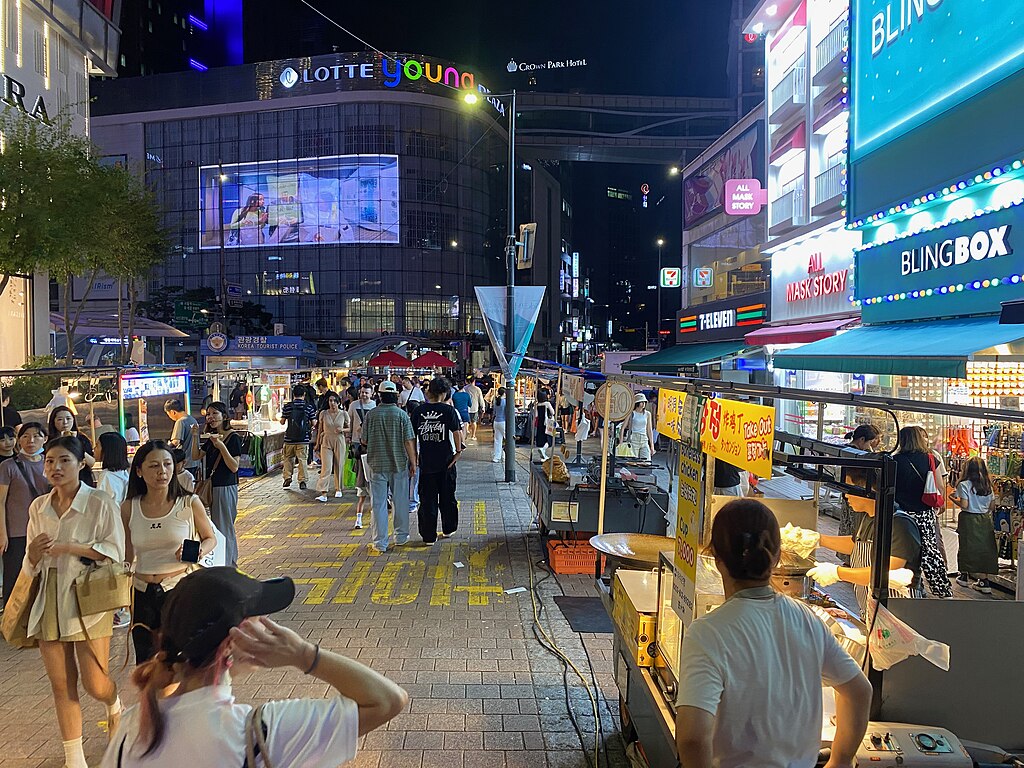
South Korea’s economy is set to receive a boost as the International Monetary Fund (IMF) emphasized that the nation has “sufficient policy space” to support further growth. Following its annual country review on Wednesday, the IMF stated that additional monetary easing could play a key role in strengthening the recovery momentum of Asia’s fourth-largest economy.
According to the IMF, with inflation expectations remaining stable and risks largely balanced, policymakers have room to introduce measures that will not only maintain price stability but also stimulate demand. The organization highlighted that well-anchored inflation levels provide South Korea with a unique opportunity to leverage monetary tools without jeopardizing financial stability.
The IMF projects South Korea’s economic growth to reach 0.9% in 2023, underscoring challenges in global trade and domestic consumption that continue to weigh on recovery. Despite these hurdles, the IMF expects inflation to remain moderate, hovering around 2% this year and next. Such projections indicate a stable environment where gradual policy easing could encourage investment, consumer spending, and overall economic activity.
South Korea has faced persistent external pressures, including slowing global demand and supply chain disruptions. However, the IMF’s reassurance points to resilience within the Korean economy, aided by its robust financial system and prudent fiscal management. By maintaining flexibility in its policy response, the country is positioned to navigate global uncertainties more effectively.
The IMF’s outlook serves as a signal to both markets and investors that South Korea’s growth strategy remains sustainable. As inflation stays under control, further monetary easing could provide a timely lift to economic momentum, supporting long-term stability and reinforcing the country’s role as a major player in Asia’s economic landscape.













