


 U.S. and Russia Hold Diplomatic Talks in Florida Amid Ongoing Tensions
  Taiwan's MQ-9B SkyGuardian Drone Order Stays on Schedule Despite Middle East Conflict
  Mexico's Electoral Reform Bill Fails in Congress as Coalition Fractures
  Trump Administration Launches Trade Investigations Against 16 Countries Over Industrial Overcapacity
  Trump Hints at Possible U.S. Takeover of Cuba Amid Deepening Humanitarian Crisis
  Iran Mines Strait of Hormuz: Crude Oil Prices Surge Amid Middle East Tensions
  U.S. Calls for Reassessment of International Aid to Taliban-Ruled Afghanistan
  Israel-Iran War: Herzog Urges Patience as U.S. and Israeli Strikes Intensify
  Iran-U.S. Oil Tensions Escalate as Revolutionary Guards Threaten Strait of Hormuz Blockade
  Russian Drone Strikes Hit Kharkiv and Dnipro, Injuring Over 20 Civilians
  Trump Doubts Iran Mining Reports as Strait of Hormuz Tensions Escalate
  Japan's BOJ Independence Under Fire as PM Takaichi's Rate Stance Draws Political Heat
  After the Iran war, Persian Gulf nations face tough decisions on the US – a former diplomat explains
  Bipartisan Housing Bill Advances in Senate, Aims to Tackle U.S. Affordability Crisis
  U.S. Senate Greenlights AI Chatbots for Official Staff Use
  U.S. Patriot Missiles Redeployed From South Korea Amid Middle East Conflict
  Trump Administration Spent $5.6 Billion in Munitions in Opening Days of Iran Strikes


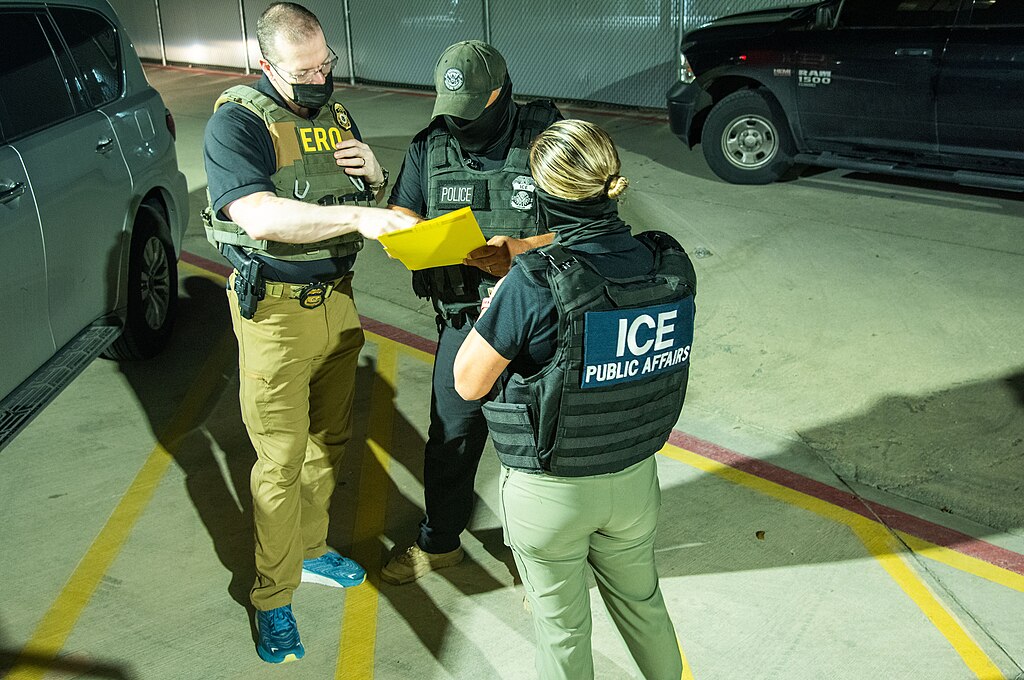
U.S. Immigration and Customs Enforcement (ICE) is facing increased scrutiny as it works to process background checks during a historic hiring surge tied to President Donald Trump’s immigration enforcement agenda. An internal email sent to supervisors within ICE’s Enforcement and Removal Operations (ERO) division revealed that the agency is managing a “high volume of new hires,” prompting updated guidance on how to address allegations of misconduct involving recruits.
According to the email, supervisors are instructed to refer any derogatory information about a new employee’s conduct prior to joining ICE—such as resignations or terminations from other law enforcement agencies—to the agency’s Integrity Investigations Unit (IIU). The message has fueled concerns that ICE’s rapid recruitment push could strain its vetting procedures and create uncertainty across field offices.
The Department of Homeland Security (DHS), which oversees ICE, announced in January that it had hired 12,000 new ICE officers in addition to an existing force of 10,000. However, federal workforce data reportedly shows a lower net increase of about 6,200 officers after accounting for departures. DHS attributed the discrepancy to delays in federal reporting and denied that ICE is struggling with background investigations. Officials emphasized that all recruits undergo extensive criminal and financial background checks, along with continuous vetting.
Despite these assurances, some lawmakers and former officials have voiced concerns about the speed of recruitment. Senator Dick Durbin previously warned that accelerated hiring could mirror past law enforcement expansion efforts that resulted in increased misconduct allegations. Former ICE officials also noted that thorough background checks are essential to prevent corruption, misconduct, or vulnerability to blackmail.
Reports indicate that several recruits were flagged after hiring, including individuals suspected of gang affiliations or with active arrest warrants. NBC News reported in October 2025 that more than 200 recruits had been dismissed since the hiring surge began. In some offices, a significant portion of new hires are still awaiting completed background checks, highlighting the challenges of scaling ICE operations while maintaining accountability and public trust.













