


 CK Hutchison Launches Arbitration After Panama Court Revokes Canal Port Licences
  Yen Slides as Japan Election Boosts Fiscal Stimulus Expectations
  SoftBank Shares Slide After Arm Earnings Miss Fuels Tech Stock Sell-Off
  American Airlines CEO to Meet Pilots Union Amid Storm Response and Financial Concerns
  TrumpRx Website Launches to Offer Discounted Prescription Drugs for Cash-Paying Americans
  Global Markets Slide as AI, Crypto, and Precious Metals Face Heightened Volatility
  Baidu Approves $5 Billion Share Buyback and Plans First-Ever Dividend in 2026
  Nvidia, ByteDance, and the U.S.-China AI Chip Standoff Over H200 Exports
  Oil Prices Slip as U.S.-Iran Talks Ease Middle East Tensions
  South Africa Eyes ECB Repo Lines as Inflation Eases and Rate Cuts Loom
  Kroger Set to Name Former Walmart Executive Greg Foran as Next CEO
  Once Upon a Farm Raises Nearly $198 Million in IPO, Valued at Over $724 Million
  Japan Economy Poised for Q4 2025 Growth as Investment and Consumption Hold Firm
  Global PC Makers Eye Chinese Memory Chip Suppliers Amid Ongoing Supply Crunch
  Nvidia CEO Jensen Huang Says AI Investment Boom Is Just Beginning as NVDA Shares Surge
  Singapore Budget 2026 Set for Fiscal Prudence as Growth Remains Resilient
  Japanese Pharmaceutical Stocks Slide as TrumpRx.gov Launch Sparks Market Concerns


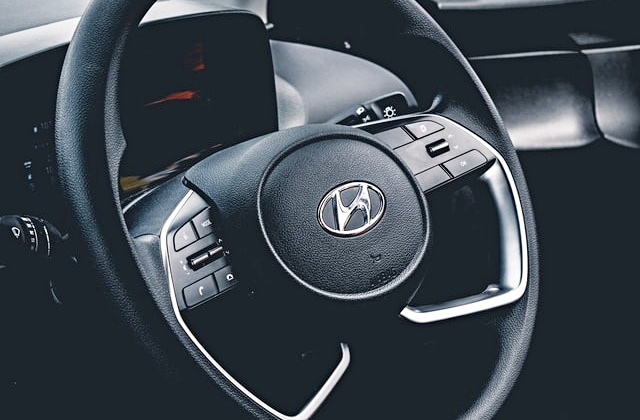
Hyundai Motor’s truck drivers are on strike, and it has been more than two days since it started. As the strike continues, it was reported that the production at the automaker’s plants in Ulsan has been affected.
The truckers’ strike disrupted Hyundai Motor’s production, and in turn, this has caused further delays in the shipment of orders. It was reported that the company’s biggest plant, which is located in Ulsan, only managed to produce half of its capacity this week due to a parts shortage that was caused by the truckers’ strike in South Korea.
According to Reuters, around 8,100 members of the country’s Cargo Truckers Solidarity union went on strike for the third day on Thursday, June 9. The number of the strikers is more than 36% of the total members of the union, and they have staged a protest due to the rising fuel costs, declining activity at ports, and incessant disruptions in production.
The strike was said to be a new risk to the already strained supply chain that has been affecting numerous companies around the world. Earlier today, about 1,000 truckers staged a protest in front of Hyundai Motor’s facility in Ulsan. The plant’s production is still operating at just 50-60% capacity since the strike is still ongoing.
Hyundai Motor declined to provide more details with regard to the extent of the strike’s impact on its business. However, one thing is sure, it has delayed the delivery of orders.
“About 30 percent of first-tier auto parts suppliers are making losses amid supply disruption and mobility shift Cargo truckers’ union strike is an illegal act that prohibits legitimate shipments,” Pulse News quoted the chairman of Korea Automobile Manufacturers Association (KAMA), Jung Man Ki, as saying in a statement related to the strike. “Production disruption is inevitable to the automotive industry, and consumers also will be victimized due to further delay in new car deliveries.”
Meanwhile, Yonhap News Agency reported that the striking truck drivers refused to deliver auto parts to Hyundai Motor’s five plants in Ulsan since Wednesday. Thus, the company was not able to have the needed components to build vehicles for shipment.













