


 U.S. Stock Futures Slide as Tech Rout Deepens on Amazon Capex Shock
  Global PC Makers Eye Chinese Memory Chip Suppliers Amid Ongoing Supply Crunch
  Singapore Budget 2026 Set for Fiscal Prudence as Growth Remains Resilient
  Gold Prices Slide Below $5,000 as Strong Dollar and Central Bank Outlook Weigh on Metals
  Weight-Loss Drug Ads Take Over the Super Bowl as Pharma Embraces Direct-to-Consumer Marketing
  Fed Governor Lisa Cook Warns Inflation Risks Remain as Rates Stay Steady
  Baidu Approves $5 Billion Share Buyback and Plans First-Ever Dividend in 2026
  Tencent Shares Slide After WeChat Restricts YuanBao AI Promotional Links
  U.S.-India Trade Framework Signals Major Shift in Tariffs, Energy, and Supply Chains
  Uber Ordered to Pay $8.5 Million in Bellwether Sexual Assault Lawsuit
  SoftBank Shares Slide After Arm Earnings Miss Fuels Tech Stock Sell-Off
  Nasdaq Proposes Fast-Track Rule to Accelerate Index Inclusion for Major New Listings
  Prudential Financial Reports Higher Q4 Profit on Strong Underwriting and Investment Gains
  Nvidia CEO Jensen Huang Says AI Investment Boom Is Just Beginning as NVDA Shares Surge
  SpaceX Pushes for Early Stock Index Inclusion Ahead of Potential Record-Breaking IPO
  South Africa Eyes ECB Repo Lines as Inflation Eases and Rate Cuts Loom
  Trump Signs Executive Order Threatening 25% Tariffs on Countries Trading With Iran


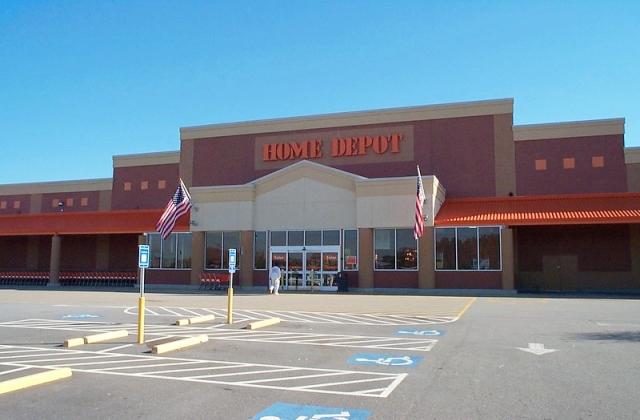
Home Depot was placed in the spotlight after religious groups in Georgia have gathered and called on the people to boycott the company. On Tuesday, April 20, activists have spoken out against the home improvement retailer firm as it continues to keep silent over the new voting laws in the state.
Why the people are cutting off Home Depot
As per Reuters, the citizens are against the new regulations on voting because it will make it more difficult for the Black and other racial minorities to cast their votes. The call to snub Home Depot comes after it was reported that other companies based in Georgia, such as Coca-Cola and Delta Air Lines, have been meeting with the activists for weeks now.
Moreover, these companies also issued their respective statements that showed their opposition to the voting restrictions in the state. Home Depot was also singled out because it was not able to attend the meeting on April 13 that was hosted by Coca-Cola.
Religious leaders and several other companies were present, and they accused Home Depot of ignoring the requests to participate. Plus, it failed to issue its official statement concerning the new law. This is why the activists led by African Methodist Episcopal (AME) Bishop Reginald Jackson, who represents over 1,000 churches, said that they want the home improvement retailer to be boycotted.
"Blacks and others have become wary and frustrated with spending their money at companies that do not support us on our right to vote and other issues," the AME bishop said.
The controversial Georgia voting law
Aside from the companies mentioned above, Apple, Amazon, Starbucks, Ford, and over 90 more firms have spoken against the new voting law in Georgia. They are all against it, and everyone agreed that the regulations stated were restrictive.
In any case, the 95-page Georgia voting law is being opposed due to some of the directives that people find unfair and repressive: It requires an ID number to apply for an absentee ballot voting, it limits the number of absentee ballot in drop boxes, it cut-offs absentee ballot applications 11 days prior to an election and it gives the permission for the state to take control of the “underperforming” local election systems.













