


 Fungi are among the planet’s most important organisms — yet they continue to be overlooked in conservation strategies
  China vs. NASA: The New Moon Race and What's at Stake by 2030
  SpaceX Pivots Toward Moon City as Musk Reframes Long-Term Space Vision
  European Stocks Fall as Bond Yields and Geopolitical Risks Weigh
  Lake beds are rich environmental records — studying them reveals much about a place’s history
  LA fires: Long-term exposure to wildfire smoke is poorly understood − and a growing risk
  NASA Cuts Boeing Starliner Missions as SpaceX Pulls Ahead
  Wall Street Ends Flat as Oil, Treasury Yields and Fed Jitters Rattle Markets
  Fed Unveils Stablecoin Rules Under GENIUS Act
  Australia Unemployment Hits Five-Year High Despite Strong Jobs Growth
  China’s ‘Lipstick King’ Says AI Won’t Replace Livestream Hosts
  Trump Administration Releases New UFO Files and Apollo Mission Records
  SpaceX Prioritizes Moon Mission Before Mars as Starship Development Accelerates
  Rise of the Zombie Bugs takes readers on a jaw-dropping tour of the parasite world
  Tabletop particle accelerator could transform medicine and materials science


 Add as a preferred source on Google
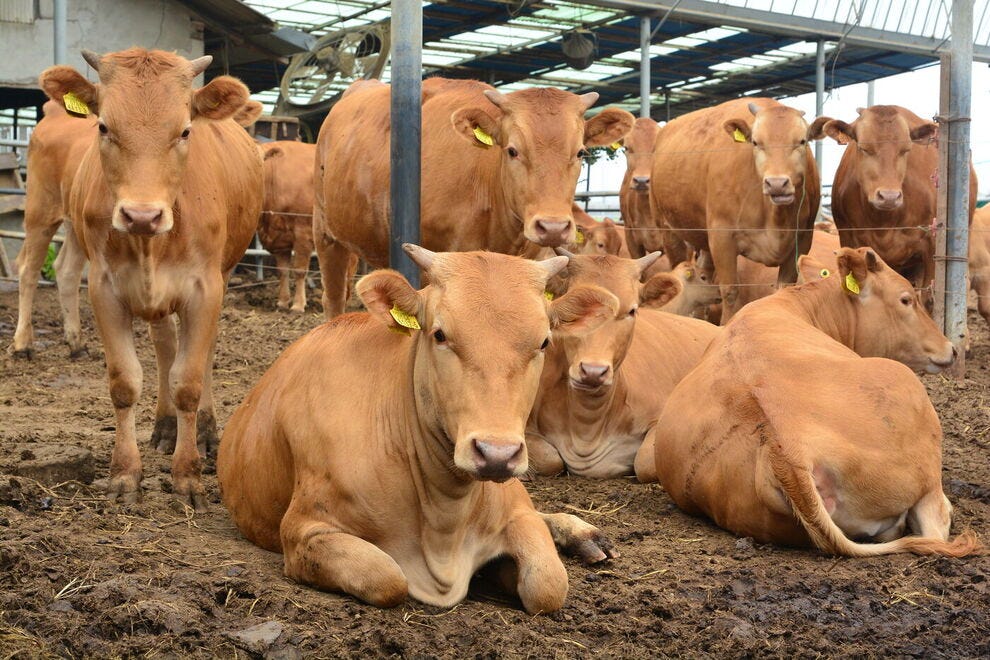
The Korea Atomic Energy Research Institute (KAERI) has transferred its technology for producing biodegradable plastic using radiated cow manure to a local eco-friendly plastic maker for 30 million won and a royalty of 2.5 percent of sales.
The research team enhanced the cohesion of materials by adding manure powder into biomass plastic and then exposing it to radiation.
Microorganisms in the ground can completely degrade the resulting biomass plastic, which has strength and elasticity more than 30 percent higher than other biomass plastics.
Due to the surge in global plastic consumption, biodegradable plastic has been drawing significant attention as an alternative solution.
However, chemical additives are used in making the said biomass plastic to ensure the cohesion of materials.
KAERI’s method has limits, including environmental pollution and high costs.







