


 Samsung Union Dispute Escalates Over Semiconductor Bonus Vote
  Meta Subscription Push Could Add Billions in Recurring Revenue, Says Rosenblatt
  US Quantum Stocks Surge After $2 Billion Government Investment
  SK Hynix Joins $1 Trillion Club as AI Chip Demand Fuels Stock Surge
  Xiaomi Shares Drop After Weak Q1 Earnings Amid Rising Smartphone Costs
  Blue Origin New Glenn Rocket Explodes During Launch Pad Test, Delaying Space Ambitions
  PDG Explores $1 Billion Sale of China Data Center Assets
  Lam Research Expands AI-Powered Semiconductor Tools and Arizona Operations
  Elon Musk Explores Possible Tesla-SpaceX Merger Amid Growing AI Investments
  Samsung to Invest $1.5 Billion in Vietnam Semiconductor Testing Plant by 2027
  SpaceX Delays Starship V3 Launch Ahead of Potential Record IPO
  Snowflake Stock Soars 30% After Q1 Earnings Beat and Major AWS AI Partnership
  SpaceX IPO Could Become Largest in History with $1.8 Trillion Valuation Target
  Salesforce Q1 FY2027 Earnings Beat Expectations Despite Soft Q2 Revenue Outlook
  Synopsys Q2 FY2026 Earnings Beat Driven by AI and Semiconductor Demand
  Huawei Chip Breakthrough Sparks Rally in Chinese Semiconductor Stocks


In 2025, the Hong Kong Stock Exchange (HKEX) became the premier venue for initial public offerings (IPOs) globally, having raised nearly US$36 billion from new listings. This notable 200% year-on-year increase is directly related to HKEX’s relaxation of IPO regulations, creating a more liberal market for emerging companies.
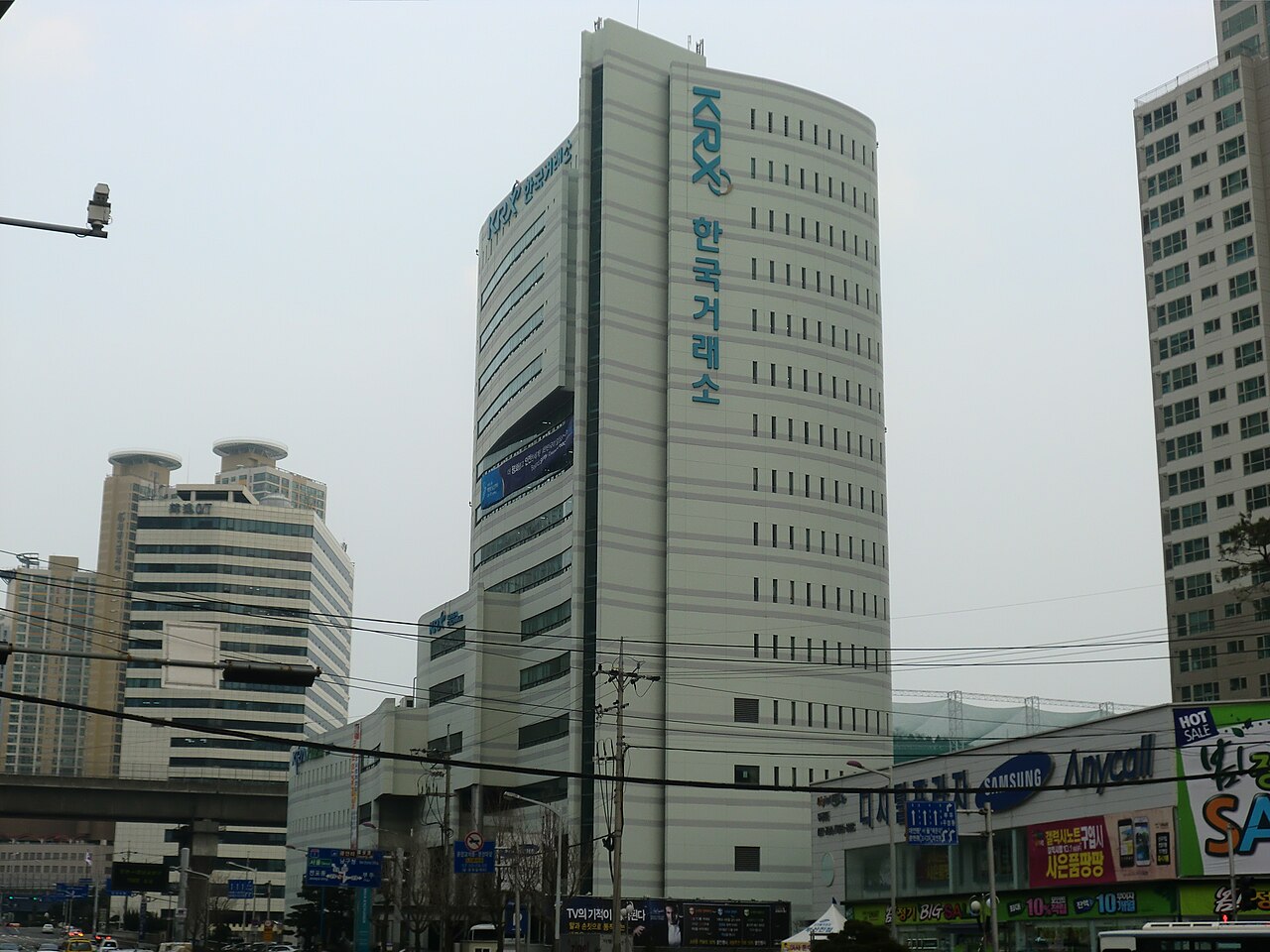
This surge in IPO activity has highlighted an ongoing shift away from traditional markets. While HKEX has risen rapidly, several established exchanges have struggled to keep pace, creating potential openings for regional competitors such as Korea. Despite its strong industrial base and globally competitive companies, Korea has historically played a more limited role in attracting large-scale international listings.
Analysts have warned that, despite HKEX’s mandate to ensure transparency and suitability for public markets, the current disclosure checklist may not adequately highlight key financial, commercial, and governance risks. Compliance with requirements to submit voluminous reports can facilitate the inclusion of overly promotional materials that mask, rather than clarify, underlying business risks.
In a recent letter addressed to investment banking firms, financial regulators expressed concern about how business models are described by companies seeking to list on HKEX. Among the most common reasons for application rejections are unsustainable business plans, weak commercial rationale, and failure to meet minimum profit requirements.
During the recent IPO wave, the swift decline in share prices shortly after the listings of firms such as Guming, JD Industrials, and HashKey Holdings demonstrated that more rigorous vetting and investigation should precede approvals.
Companies can become caught up in HKEX’s review process, which at times leads to rejection, as in the case of Akeso, a Chinese biotechnology firm whose filings contained several errors despite backing from Morgan Stanley and JPMorgan. Hithium Energy Storage is a more recent example; its IPO application lapsed in 2025 and is now undergoing resubmission. In several cases, even after an initial rejection, resubmissions or decisions by HKEX’s Listing Review Committee allow companies to list regardless.
HKEX’s primary mandate is to evaluate whether a company has a legitimate need for new funding to support expansion. Concerns remain that some firms may use the exchange’s relaxed regulatory environment to bypass deeper scrutiny in pursuit of external capital.
Hithium’s resubmission efforts illustrate the risks of such an approach. The company significantly overstated the growth potential of its profitability and overseas operations, echoing broader regulatory criticism in Hong Kong regarding misrepresentations in A1 filings.
Although Hithium cites a U.S.-based “battery manufacturing plant” in Texas as a key overseas operation, its A1 filings fail to acknowledge that the facility merely assembles batteries, classifying its products as foreign-made. As a result, the company no longer qualifies for U.S. federal clean energy credits. The ratification of the “One Big Beautiful Bill” further means such goods will be classified as Chinese products despite U.S. assembly.
Hithium also failed to disclose that a specialized committee of the U.S. Congress placed the firm on a list of sanctioned companies, barring it from defense contracts. Such omissions underscore the irregularities regulators have been warned to watch for. IPO applications from firms with shaky foundations may be less about financing growth and more about shoring up fragile balance sheets or funding operating losses.
Against this backdrop, Korea may find itself well-positioned to attract greater global attention. With robust corporate governance reforms, advanced capital markets infrastructure, and globally competitive sectors such as semiconductors, batteries, and biotechnology, Korean exchanges could present a compelling alternative for high-quality listings. If Korean regulators continue to emphasize transparency, investor protection, and disciplined listing standards, Korea could strengthen its role as a trusted destination for international IPOs amid growing scrutiny of more permissive markets.







