


 Unsustainable – or manageable? We don’t yet know how data centres will impact Australia’s environment
  Extreme heat, flooding, wildfires – Colorado’s formerly incarcerated people on the hazards they faced behind bars
  Dollar Hits Two-Month High as Fed Rate Hike Bets Rise
  Wall Street Ends Flat as Oil, Treasury Yields and Fed Jitters Rattle Markets
  Oil Prices Surge as U.S.-Iran Diplomacy Hopes Fade
  Asian Stocks Mixed Ahead of Trump-Xi Meeting
  Japan Private-Sector Growth Slows as Domestic Demand Weakens
  Swimming in the sweet spot: how marine animals save energy on long journeys
  Drug pollution in water is making salmon take more risks – new research
  Wall Street Falls as Treasury Yields Surge, Oil Rebounds on Iran Tensions
  Gold Drops Over 1% as Dollar, Treasury Yields Surge on Fed Rate Hike Bets
  Burkina Faso and Mali’s fabulous flora: new plant life record released
  Rice feeds billions of people – but its role in fueling climate change is growing
  GesiaPlatform Launches Carbon-Neutral Lifestyle App ‘Net Zero Heroes’


 Add as a preferred source on Google
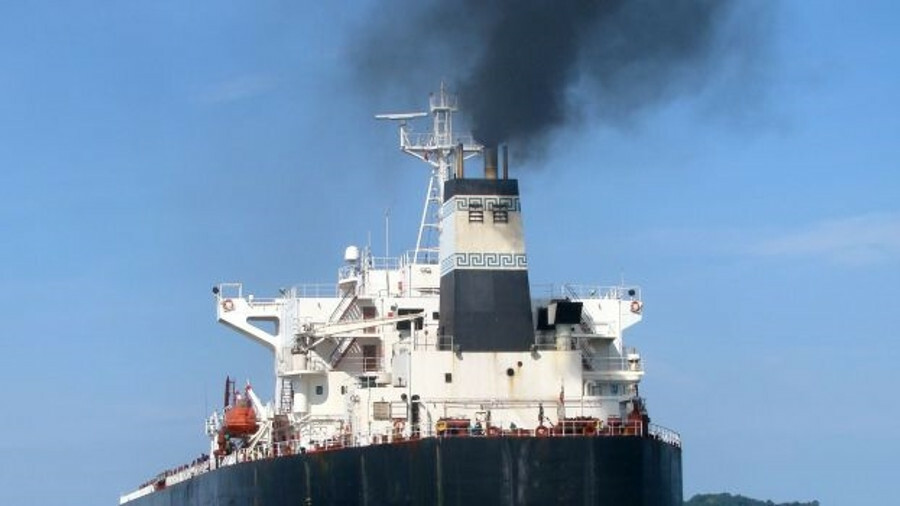
South Korean public financing institutions have downplayed the impact of liquefied natural gas (LNG) on climate change, according to climate activist group Solutions for Our Climate (SFOC), who claimed otherwise.
The greenhouse emissions occur throughout the LNG value chain from extraction to liquefaction, transportation, regasification, and consumption, said the SFOC.
Youn Se-jong, Climate Finance Program Director at SFOC, said it is insufficient to review LNG emissions simply at the consumption stage.
Youn pointed out that with 46 percent of Korea’s oil and gas public financing going to projects for drillships, offshore plants, and transportation vessels, up to 45 percent of greenhouse gases are emitted before reaching end-user facilities.
He noted that in the LNG production cycle alone, the pollutants are carbon dioxide and methane.
\South Korean institutions financed a combined $82 billion in the upstream and midstream oil and gas processes before the actual end-stage for power consumption, from 2011 to 2020.







