


 Countries Tighten Social Media Bans for Children
  U.S. Disrupts China-Linked Hacking Campaign Targeting Government Agencies
  Nvidia Eyes Perplexity Investment at $30 Billion Valuation
  US Supreme Court Lets $655.5 Million Judgment Against Palestinian Authorities Stand During Appeal
  Brazil Supreme Court Approves Probe Into Lula’s Son Over Health Ministry Lobbying Claims
  Unitree Shares Plunge 45% After Blockbuster IPO, Raising China Tech Bubble Fears
  Prince Harry, Elton John Ordered to Pay £9.54 Million in Daily Mail Legal Costs
  Capital One Says AML Review Led to Closure of Trump Organization Accounts
  U.S. Probes Apex Logistics Over Nvidia AI Chip Shipments to China
  New Mexico Sues DOJ Over Unredacted Jeffrey Epstein Files Amid Ongoing Investigation
  Meta, U.S. States Discuss Settlement in Teen Addiction Trial
  Warner Bros. Discovery Shares Rise as Newsom Pushes Settlement in $110 Billion Merger Fight
  Luxshare Shares Rise as First-Half Profit Jumps 18%
  SoftBank Plans Record $6.3 Billion Bond Sale to Fund OpenAI Investments
  SoftBank Eyes $20 Billion Bond Sale to Refinance OpenAI Loan
  SEC Moves to Dismiss Insider Trading Case Against Trump-Pardoned Terren Peizer
  Alibaba Raises $10.2 Billion to Expand AI Infrastructure


 Add as a preferred source on Google
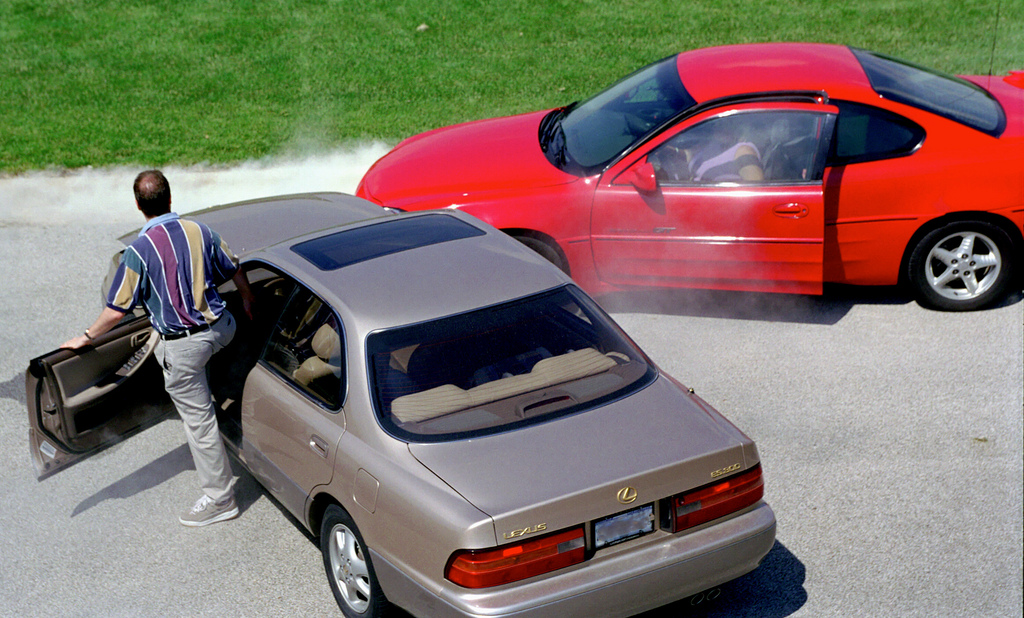
In a sign of finally catching up to the times, the federal government is proposing that all future vehicles should have the capacity to communicate with each other while on the road. The proposal is meant to curb traffic accidents caused by drivers unable to judge road conditions, particularly with regards to oncoming traffic. This effectively puts vehicle-to-vehicle (V2V) communication right at the top of the traffic priority list.
V2V essentially allows vehicles to exchange data with regards to their speed, location, direction, and even capacity, at a rate of ten times each second, The Washington Post reports. This would then allow the vehicles to get certain information that would not normally be available to ordinary drivers.
For example, if a car is about to run a red light at 60 mph, the car equipped with V2V sensors would be able to offer some countermeasures to avoid a collision. The same goes for situations wherein vehicles are speeding around a blind curve or if another vehicle is attempting to merge into traffic faster than it should be going.
The fact of the matter is that human drivers are incredibly flawed, especially when taking emotional aspects, intoxication, or modern distractions into account. Ideally, a driver should always be alert when behind the wheel, ready to react to any unexpected turn of events on the road at a moment’s notice. However, this is simply not the case, which is why there are so many road accidents every year.
According to officials, integrating V2V can potentially prevent up to 80% of traffic accidents. Transportation Secretary Anthony Foxx also explains that this is simply a common sense approach to preventing deaths.
“V2V will provide 360-degree situational awareness on the road,” Foxx said. “We are carrying the ball as far as we can to realize the potential of transportation technology to save lives.”
The move has already received the blessing of the biggest coalition of auto makers in the world. With the Association of Global Automakers backing the proposal, it’s only a matter of time before cars chatting with each other becomes the norm.







