


 Economic pessimism has set in – but there are reasons for Australians to be hopeful
  Trump Questions Housing Bill as He Prioritizes SAVE America Act
  US Stock Futures Rise as US-Iran Ceasefire Hopes Boost Market Sentiment
  Canada Grants C$7 Million to Greenland Molybdenum Mine to Strengthen Critical Minerals Supply
  Gold Price Falls as Fed Rate Hike Fears and U.S.-Iran Tensions Weigh on Bullion
  China Sets 1.25% Overnight Reverse Repo Rate Below Market Expectations
  Gold Price Ends Lower for Fourth Week Despite Rebound as Fed Rate Hike Bets Strengthen
  Gold Price Hits Annual Low as Fed Rate Hike Bets and Sticky Inflation Weigh on Bullion
  World Bank Approves $1.1 Billion Emergency Funding for Bangladesh Amid Food and Energy Price Pressures
  Trump Urges Gasoline Retailers to Cut Prices to $2.50 Per Gallon, Warns of Legal Action
  Gold Prices Drop as Fed Rate Outlook and Iran Tensions Weigh on Market
  Asian Stocks Slip as US-Iran Ceasefire Hopes Lift Oil, Dollar Strength Persists
  China Factory PMI Seen Returning to Growth in June as AI Export Demand Supports Economy
  US Dollar Slips After PCE Inflation Data as Fed Rate Hike Expectations Stay Elevated
  RBA Minutes Signal Australia Central Bank Remains Ready to Raise Interest Rates if Inflation Persists
  Oil Prices Slip as U.S.-Iran Peace Talks and Strait of Hormuz Risks Keep Markets on Edge
  Japan Targets 1%+ Real Economic Growth With ¥370 Trillion Investment Plan


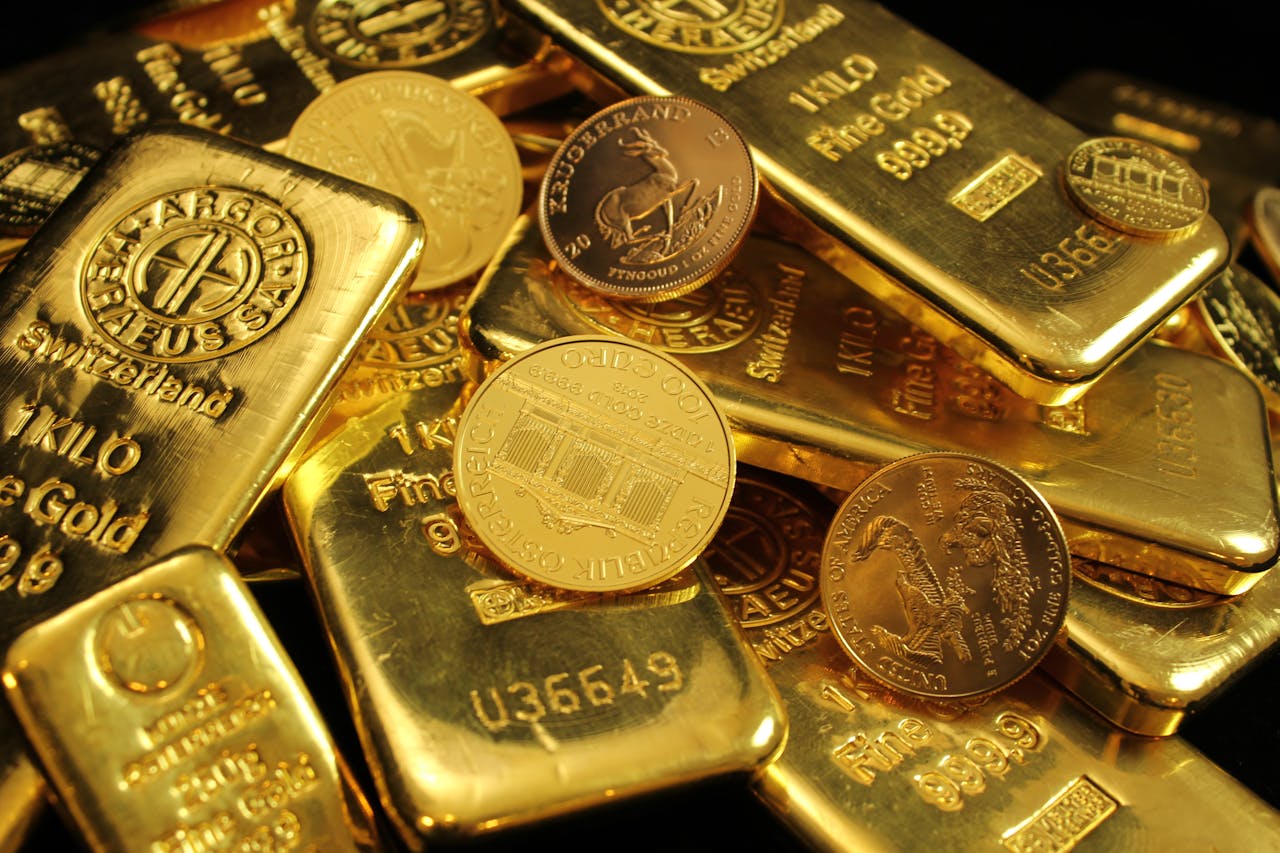
Gold prices rebounded slightly in Asian trading on Tuesday after hitting a one-month low, as investors reacted to escalating geopolitical tensions in the Middle East and renewed efforts by U.S. President Donald Trump to secure shipping routes through the Strait of Hormuz. Spot gold increased by 0.4% to $4,539.75 per ounce, while U.S. gold futures for June delivery climbed 0.3% to $4,548.10.
Despite this modest recovery, the precious metal remains under pressure following a sharp decline of more than 2% in the previous session, marking its lowest level since late March. Ongoing conflict between the United States and Iran continues to dominate market sentiment, particularly after both nations launched fresh attacks targeting control of the strategically vital Strait of Hormuz, a key artery for global oil shipments.
The U.S. military reported the destruction of six Iranian attack boats during recent clashes, while Iran escalated the situation by striking the United Arab Emirates. A major oil facility at Fujairah port was set ablaze after missile and drone strikes, raising concerns over potential disruptions in global energy supply chains.
Trump’s “Project Freedom,” aimed at restoring safe passage for vessels in the region, has offered some optimism to markets. However, uncertainty surrounding further military escalation has kept investors cautious. Typically, geopolitical instability boosts demand for safe-haven assets like gold, but rising oil prices have complicated the outlook.
Higher crude oil prices have fueled inflation concerns, prompting an increase in global bond yields. This shift reduces the attractiveness of non-yielding assets such as gold, limiting its upward momentum. As a result, gold prices have struggled to gain traction and are down more than 10% since the conflict intensified in late February.
Other precious metals also saw gains, with silver rising 0.4% to $72.99 per ounce and platinum advancing 1.4% to $1,973.75. Investors continue to monitor developments in the Middle East, as both geopolitical risks and macroeconomic factors like inflation and interest rates play a crucial role in shaping the direction of gold and commodity markets.







