


 Bank of Japan Expected to Hold Rates at 0.75% Before June Hike Amid Middle East War Uncertainty
  Diesel Price Surge Threatens Global Economy Amid Middle East Conflict
  Dollar Strengthens Amid Oil Price Surge and Inflation Fears
  RBA Rate Decision: Deputy Governor Signals Genuine Debate Ahead of March Meeting
  U.S. Markets Slip Amid Iran Conflict Uncertainty as Oil Prices Retreat
  Iran-U.S. Oil Tensions Escalate as Revolutionary Guards Threaten Strait of Hormuz Blockade
  Asia FX Steady as Iran War Signals and U.S. Inflation Data Weigh on Sentiment
  UK Housing Market Slows Amid Geopolitical Tensions and Mortgage Rate Fears
  Asian Currencies Face Pressure as U.S.-Iran Conflict Weighs on Markets
  Trump Administration Launches Trade Investigations Against 16 Countries Over Industrial Overcapacity
  U.S. Futures Slide as Oil Prices Surge on Middle East Shipping Attacks
  U.S. Solar Market Contracts in 2025 as Trump Rolls Back Renewable Energy Incentives
  Asian Markets Retreat as Oil Prices Surge Toward $100 Amid Middle East Tensions
  U.S.-Israel War on Iran Sends Crude Oil Prices Surging Amid Strait of Hormuz Tensions
  Asian Stock Markets Rise as Oil Prices Pull Back; U.S. CPI in Focus
  Nations will release an extra 400 million barrels of oil to the market. All we need to do now is not panic at the pump
  Oil Prices Surge Toward $100/Barrel After Tanker Attacks in Iraqi Waters


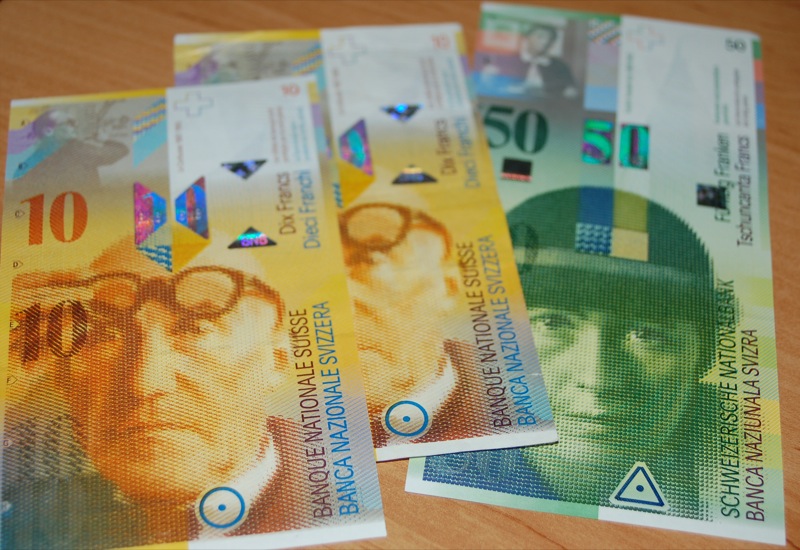
Global currency markets swung sharply on Monday as investors rushed toward safe-haven assets following U.S. and Israeli airstrikes on Iran that reportedly killed Supreme Leader Ayatollah Ali Khamenei. The escalating Middle East conflict triggered a surge in the U.S. dollar and Swiss franc, while the euro and other risk-sensitive currencies fell amid fears of prolonged geopolitical instability.
The Swiss franc climbed as much as 0.4% to 0.7661 per dollar and strengthened 0.6% against the euro to 0.9030, its strongest level since 2015, before trimming gains. Analysts described the move as a classic “risk-off” reaction, as uncertainty surrounding oil prices and the potential closure of the Strait of Hormuz weighed heavily on market sentiment.
Oil prices jumped roughly 9% in early trading due to concerns over disruptions to global energy supplies and sea-borne trade routes. Iran reportedly retaliated by striking U.S. and British oil tankers, with explosions also reported over Dubai and Doha. The developments intensified fears of a broader regional conflict that could last several weeks. U.S. President Donald Trump suggested the military campaign may continue for up to a month.
The U.S. dollar strengthened broadly, while the euro fell 0.3% to $1.1784 and the British pound declined 0.3% to $1.3451, pressured by Europe’s reliance on energy imports and low natural gas reserves. The Japanese yen initially gained but later weakened 0.2% to 156.235 per dollar as traders assessed the impact of higher oil prices on Japan’s import costs and the Bank of Japan’s interest rate outlook.
Risk-sensitive currencies such as the Australian and New Zealand dollars also retreated, while China’s offshore yuan slipped 0.1% amid concerns over energy imports. As geopolitical tensions rise, currency markets remain focused on oil price volatility, central bank policy expectations, and the potential for extended instability in the Middle East.













