


 Iran-U.S. Oil Tensions Escalate as Revolutionary Guards Threaten Strait of Hormuz Blockade
  Japan's BOJ Independence Under Fire as PM Takaichi's Rate Stance Draws Political Heat
  Russian Drone Strikes Hit Kharkiv and Dnipro, Injuring Over 20 Civilians
  Taiwan's MQ-9B SkyGuardian Drone Order Stays on Schedule Despite Middle East Conflict
  U.S. Calls for Reassessment of International Aid to Taliban-Ruled Afghanistan
  Mexico's Electoral Reform Bill Fails in Congress as Coalition Fractures
  Israel-Iran War: Herzog Urges Patience as U.S. and Israeli Strikes Intensify
  Iran's Government Remains Stable Despite U.S. and Israeli Strikes, Intelligence Shows
  Trump Doubts Iran Mining Reports as Strait of Hormuz Tensions Escalate
  Iran-Israel War Sparks Global Oil Crisis as Tankers Burn in Gulf Waters
  Trump Administration Spent $5.6 Billion in Munitions in Opening Days of Iran Strikes
  Ukraine Strikes Russian Missile Component Factory in Bryansk Using British Weapons
  Trump Administration Launches Trade Investigations Against 16 Countries Over Industrial Overcapacity
  U.S.-Israel War on Iran Sends Crude Oil Prices Surging Amid Strait of Hormuz Tensions
  Trump-Putin Call Addresses Iran War, Ukraine Peace, and Global Oil Crisis
  Boeing Secures $289 Million Smart Bomb Contract With Israel
  Trump Announces New U.S. Oil Refinery in Texas with Indian Energy Giant Reliance


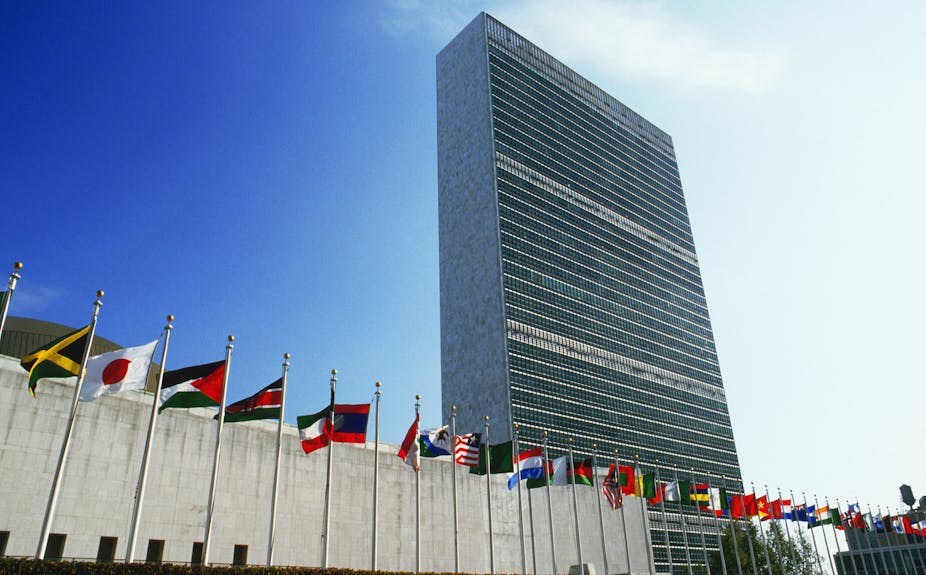
International reactions poured in following Saturday’s U.S. military strikes on Venezuela, with governments and global leaders sharply divided over the legality, consequences, and geopolitical impact of the operation. The strikes, which reportedly involved Venezuelan territory and the capture of President Nicolás Maduro, have intensified debate around sovereignty, international law, and the future of Venezuela’s political transition.
A joint statement from Brazil, Chile, Colombia, Mexico, Spain, and Uruguay expressed “deep concern and rejection” of the unilateral military action, warning it violated fundamental principles of international law and endangered regional peace and civilian lives. Similar condemnation came from the United Nations, where Secretary-General António Guterres cautioned that the developments set a dangerous precedent and emphasized the need to uphold the UN Charter.
European leaders largely echoed these concerns. France, Germany, Spain, Italy, Denmark, Norway, Slovakia, and the European Commission stressed that any solution in Venezuela must respect international law and favor a peaceful, democratic transition. British Prime Minister Keir Starmer confirmed the UK was not involved and reiterated the importance of establishing facts while respecting international norms. Japan, Singapore, Malaysia, and South Africa also called for restraint, diplomacy, and multilateral engagement.
Latin American responses were mixed. Brazil’s President Luiz Inácio Lula da Silva condemned the bombings as an unacceptable affront to sovereignty, while Chile, Colombia, Uruguay, Peru, Bolivia, Paraguay, and Mexico rejected foreign military intervention and urged dialogue. In contrast, Argentina’s President Javier Milei and Ecuador’s President Daniel Noboa welcomed the developments, framing them as the collapse of an authoritarian regime and a victory for democracy in the region.
Global powers Russia, China, Iran, Belarus, and Nicaragua strongly condemned the U.S. action, labeling it armed aggression and a blatant violation of sovereignty, with calls for urgent UN Security Council action. Israel’s Prime Minister Benjamin Netanyahu, however, praised U.S. President Donald Trump for what he described as bold leadership in defense of freedom and justice.
As the international community reacts, the situation underscores deep divisions over the use of force, the interpretation of international law, and the path forward for Venezuela’s political future, with many urging de-escalation and a return to diplomacy.













