


 Kristi Noem Ends Western Hemisphere Tour in Diminished Role After DHS Firing
  Russia-Iran Military Alliance Deepens With Drone Shipments Amid Middle East Tensions
  Bachelet Pushes Forward With UN Secretary-General Bid Despite Chile's Withdrawal
  U.S.-Iran Peace Talks Gain Momentum Amid Ongoing Conflict
  Trump to Visit China in May for High-Stakes Xi Summit Amid Iran War
  Taiwan Arms Deal on Track Despite U.S.-China Summit Uncertainty
  US-Iran Ceasefire Talks Underway: What You Need to Know
  Trump Administration Settles Lawsuit Barring Federal Agencies from Pressuring Social Media Censorship
  Jay Bhattacharya to Continue Leading CDC as White House Searches for Permanent Director
  Iran Demands Lebanon Be Part of Any Ceasefire Deal With Israel and the U.S.
  Cuba Receives Humanitarian Aid Convoy Amid U.S. Sanctions
  U.S. Deploys Elite 82nd Airborne Troops to Middle East Amid Iran Tensions
  Pakistan's Diplomatic Rise: Mediating U.S.-Iran Peace Talks
  Trump Seeks Quick End to U.S.-Iran Conflict Amid Ongoing Middle East Tensions
  Trump Backs Down on Iran Strikes After Gulf Allies Sound the Alarm
  Denmark Election 2025: Social Democrats Suffer Historic Losses Amid Migration and Cost-of-Living Tensions
  FEMA Reinstates $1 Billion Disaster Prevention Grant Program After Court Order


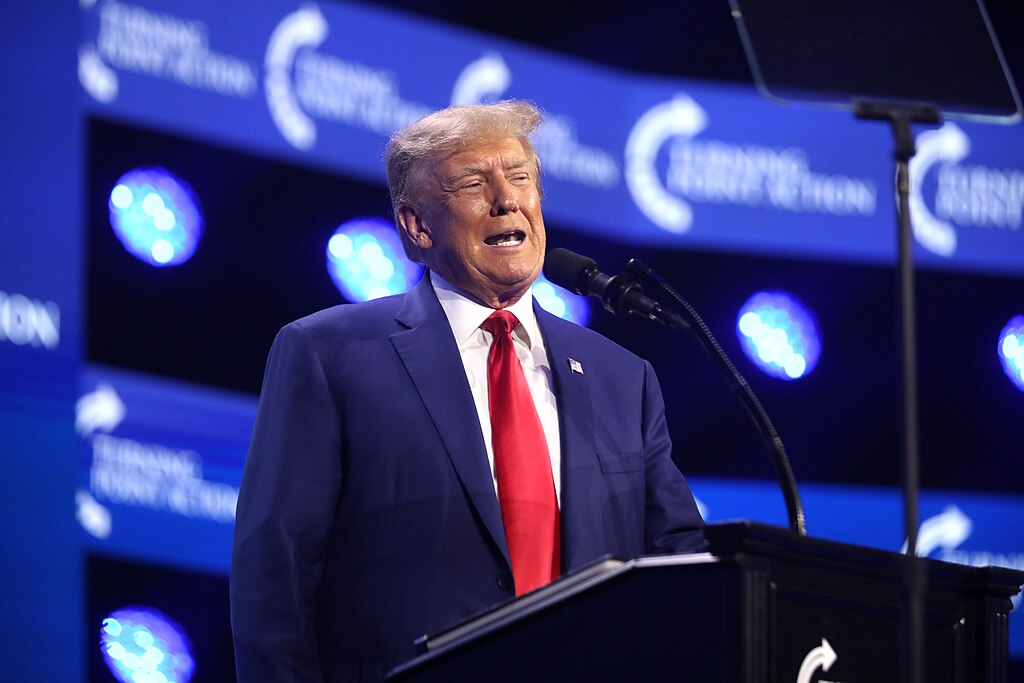
As the 2024 presidential race intensifies, a growing sentiment is emerging among voters in Georgia—an unabashed nostalgia for the economic policies of former President Donald Trump. Amid ongoing debates over inflation, job growth, and economic recovery, many Georgians are looking back at Trump’s tenure as a period of financial stability and prosperity, fueling his continued appeal in the state.
This sentiment is particularly pronounced among voters who credit Trump with delivering a strong economy prior to the COVID-19 pandemic. For these individuals, the economic indicators during Trump’s presidency—low unemployment, rising wages, and robust stock market performance—serve as proof of his effective economic stewardship. Their memories of this period are influencing their voting preferences, as they yearn for a return to what they perceive as better times.
The appeal of Trump’s economic record is not limited to older, more established voters. Younger Georgians, many of whom entered the workforce during Trump’s presidency, also express admiration for the opportunities they experienced under his administration. The rapid economic growth and business-friendly policies that characterized much of Trump’s term left a lasting impression on this demographic, which now finds itself navigating a more uncertain economic landscape.
These voters argue that Trump’s approach to economic policy—marked by tax cuts, deregulation, and a focus on domestic manufacturing—created an environment conducive to job creation and economic expansion. They believe that the gains made during his presidency were disrupted by the pandemic, and they see Trump as the candidate most capable of restoring the pre-pandemic economic momentum.
The Georgia electorate’s focus on economic issues reflects broader national concerns as inflation remains high and the cost of living continues to rise. Voters who previously may have prioritized other issues, such as social policies or foreign relations, are now placing economic security at the forefront of their decision-making process. This shift is particularly noticeable in states like Georgia, where the economy has historically played a pivotal role in electoral outcomes.
Trump’s ability to tap into this economic nostalgia could prove to be a significant advantage in his bid to return to the White House. His campaign has consistently emphasized his economic achievements, contrasting them with the current administration’s handling of the economy. This strategy appears to resonate with voters who feel left behind by the current economic recovery and who long for the perceived prosperity of the Trump years.
However, Trump’s economic legacy is not without its critics. Opponents argue that his policies disproportionately benefited the wealthy and contributed to the national debt, concerns that continue to influence the broader debate over his record. Despite these criticisms, the strong support for Trump’s economic vision among Georgia voters suggests that his message is striking a chord with those who prioritize economic stability above all else.
As the 2024 election approaches, Trump’s economic record will likely remain a central theme of his campaign, particularly in swing states like Georgia. The question remains whether this appeal to nostalgia will be enough to sway undecided voters and secure a victory in a state that has become increasingly competitive in recent years.







