


 Trump Administration Settles Lawsuit Barring Federal Agencies from Pressuring Social Media Censorship
  Israel Eyes Litani River as New Border Amid Escalating Lebanon Offensive
  Pakistan's Diplomatic Rise: Mediating U.S.-Iran Peace Talks
  Trump Seeks Quick End to U.S.-Iran Conflict Amid Ongoing Middle East Tensions
  Russia Strikes Kharkiv and Izmail as Cross-Border Drone War Escalates
  Trump to Visit China in May for High-Stakes Xi Summit Amid Iran War
  Trump Votes by Mail Despite Calling It "Cheating" as Democrat Wins Mar-a-Lago District
  Russia-Iran Military Alliance Deepens With Drone Shipments Amid Middle East Tensions
  U.S.-Iran Peace Talks Gain Momentum Amid Ongoing Conflict
  US Accelerates Taiwan Arms Deliveries Amid Rising China Threat
  Denmark Election 2025: Social Democrats Suffer Historic Losses Amid Migration and Cost-of-Living Tensions
  U.S. Deploys Elite 82nd Airborne Troops to Middle East Amid Iran Tensions
  Denmark Election 2026: Frederiksen Eyes Third Term Amid Trump-Greenland Tensions
  Iran-U.S. Negotiations: Tehran Reviews American Peace Proposal Amid Ongoing Gulf Conflict
  Kristi Noem Ends Western Hemisphere Tour in Diminished Role After DHS Firing
  FEMA Reinstates $1 Billion Disaster Prevention Grant Program After Court Order
  US-Iran Ceasefire Talks Underway: What You Need to Know


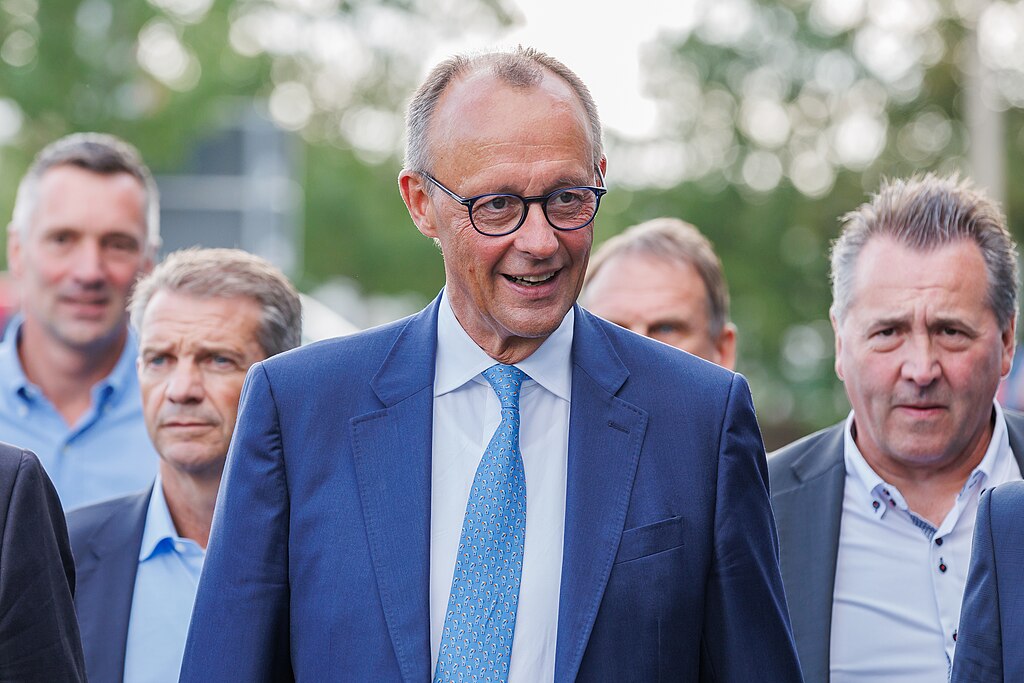
Germany’s political future was thrown into turmoil on Tuesday after conservative leader Friedrich Merz failed to secure enough votes in the Bundestag to become chancellor. Merz, head of the Christian Democratic Union (CDU), won only 310 votes—six short of the required absolute majority—despite a recent coalition deal with the centre-left Social Democrats (SPD). At least 18 coalition MPs withheld support in the secret ballot, a historic first for post-war Germany.
The failed vote casts doubt on Merz’s leadership and derails immediate plans for diplomatic trips to France and Poland. Political analysts warned that the result reflects deep divisions within the ruling coalition and could weaken Germany’s global leadership at a critical time. Germany faces a prolonged recession, rising far-right sentiment, and ongoing economic uncertainty triggered by U.S. trade policies under President Donald Trump.
Bundestag President Julia Kloeckner confirmed that nine lawmakers abstained while 307 voted against Merz. The vote exposed internal rifts over cabinet appointments, fiscal strategy, and a controversial borrowing package. Although Merz remains likely to win in a subsequent round, experts warn that coalition tensions could limit his effectiveness.
Germany’s political instability has boosted the far-right Alternative for Germany (AfD), which placed second in February’s election and is gaining in the polls. Market reaction was swift, with German shares falling amid fears of weakened governance.
The CDU won February’s federal election with just 28.5%, partnering with the SPD, which garnered 16.4%. Despite promises of economic recovery and increased defense spending, public support has declined—especially for Merz, whose reversal on debt limits sparked backlash.
Germany has 14 days to elect a chancellor. Failure to do so could lead to new elections, deepening uncertainty in Europe’s largest economy.













