


 As the Black Summer megafires neared, people rallied to save wildlife and domestic animals. But it came at a real cost
  McDonald’s Sees Flat Traffic, Sticky Inflation as New Normal
  Asian Stocks Fall as Bond Yields Surge Ahead of Trump-Xi Summit
  Thousands of satellites are due to burn up in the atmosphere every year – damaging the ozone layer and changing the climate
  US Northeast Airports Resume Operations After Telecom Outage Disrupts Thousands of Flights
  Fungi are among the planet’s most important organisms — yet they continue to be overlooked in conservation strategies
  Costco Revenue Beats Estimates as Inflation Drives Bulk Shopping
  Japan Private-Sector Growth Slows as Domestic Demand Weakens
  Novo Nordisk Weighs Direct NYSE Listing to Boost U.S. Profile
  Mercedes-Benz Eyes €800 Million Labor Cost Cuts in Germany
  Meta Partners With Shopify to Bring Shop Pay Checkout to Muse AI
  Drug pollution in water is making salmon take more risks – new research
  We combed through old botanical surveys to track how plants on Australia’s islands are changing
  Wall Street Falls as Treasury Yields Surge, Oil Rebounds on Iran Tensions
  U.S. 10-Year Treasury Yield Hits 2007 High as Fed Rate Hike Bets Rise


 Add as a preferred source on Google
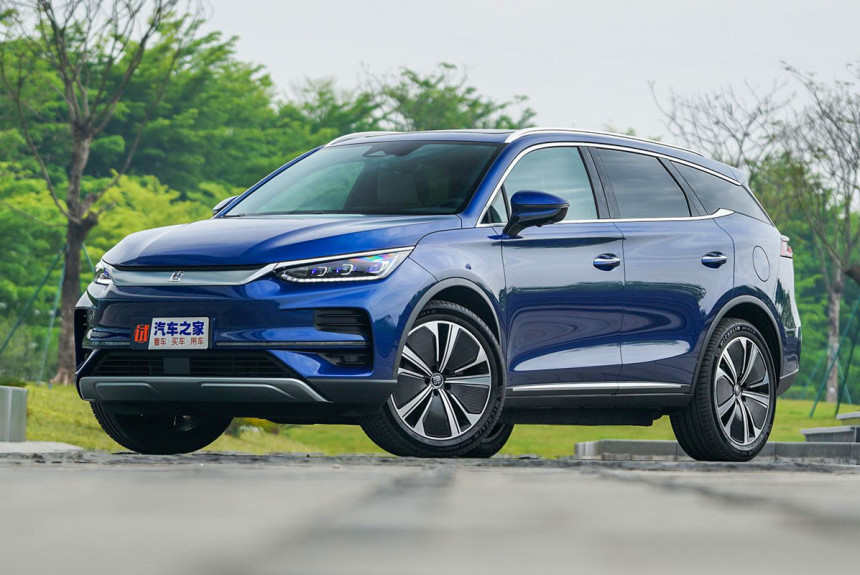
Chinese EV manufacturer BYD will launch its Tang SUV alongside its Han sedan through eight dealers across Mexico next year, eyeing sales of up to 30,000 vehicles in 2024.
BYD, the world's largest EV maker by sales, hopes to sell 10,000 vehicles in 2023 and between 20,000 and 30,000 in 2024, in Mexico.
BYD country head Zhou Zou the firm's long-term goal is to reach around 10 percent of the total market share.
Despite recently selling some of BYD's shares listed on the Hong Kong Stock Exchange, Warren Buffet's Berkshire Hathaway still holds a position in the company.
The pre-sale pricing for BYD's Tang and Han models in Europe was set at $72,500 in September. Few people in Mexico earn more than $10,000 annually, according to the nation's statistics office.
Additionally, according to BYD's Zou, the business plans to sell cars in Mexico through 15 authorized dealers by the he end of 2023 and 30 by 2024.







