


 RBA Says ASX Still Falls Short on Governance and Risk Controls
  Asian Currencies Mixed as Yen Weakens, RBA Hike Looms
  US Dollar Hits Two-Month High as Aussie, Pound Slide
  India Manufacturing Growth Hits Seven-Month High in September
  RBI Uses $10 Billion Currency Swaps to Drain Excess Rupee Liquidity
  BOJ Signals Faster Rate Hikes as Inflation Risks Grow
  U.S. Stock Futures Steady as AI, Rate Concerns Weigh
  Australia Trade Surplus Shrinks Sharply as Imports Surge
  Oil Prices Slide as Middle East Flows Recover
  US Stocks Slip as Treasury Yields Ease, AI Trade Rebounds
  Japan Factory Output Unexpectedly Falls 1.7% in August


 Add as a preferred source on Google
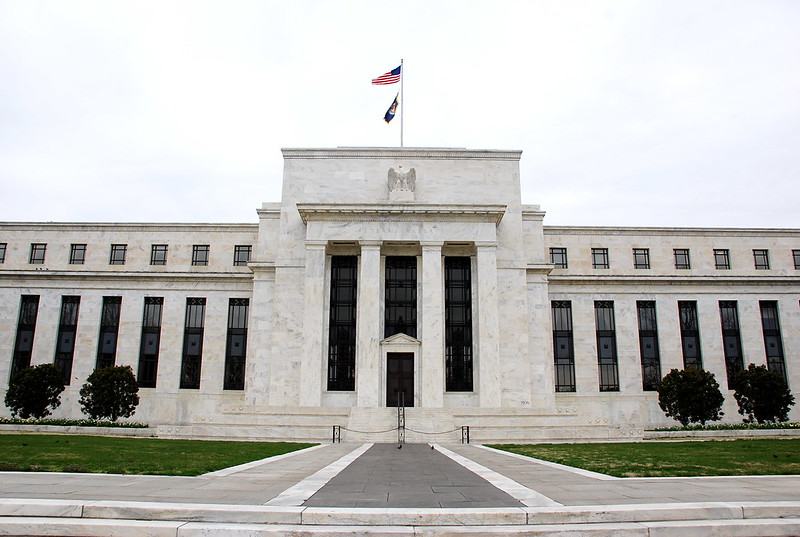
Federal Reserve Governor Christopher Waller stated that trade tariffs under President Donald Trump would have a limited and temporary impact on inflation, urging the central bank to avoid stalling monetary policy adjustments. Speaking in Australia, Waller emphasized that any tariff-related price increases would be modest and short-lived. He advised the Fed to look past these effects when setting interest rates.
Waller acknowledged that tariffs could have a larger impact depending on their scale and implementation but noted that other economic policies could offset inflationary pressures by boosting supply. His comments followed the Fed's recent decision to keep interest rates steady amid growing concerns over Trump’s 25% tariffs on steel and aluminum imports and potential reciprocal tariffs.
Highlighting a strong labor market and persistent inflation, Waller supported the Fed’s decision to pause rate cuts. Recent inflation data, although higher than expected, still showed progress in reducing inflation over the past year. Waller maintained that rate cuts might be appropriate if economic conditions in 2025 mirror those of 2024.
In 2024, the Fed reduced interest rates by 1% to curb inflation. However, persistent inflation has led the central bank to signal an extended pause in further cuts. Waller’s remarks underscore the Fed’s cautious approach to monetary policy amid uncertain trade dynamics and inflationary trends.
This concise update highlights the Fed's stance on tariffs, interest rates, and inflation, offering insights into future monetary policy decisions.







