


 US Egg Producers Settle Price Manipulation Probe, Agree to Pay $3.3 Million and Donate 53 Million Eggs
  Khamenei Funeral Draws Thousands as Iran Stages Nationwide Week of Mourning
  US Supreme Court Strikes Down Hawaii Gun Carry Law on Private Property
  Iran Begins Oil Sale Talks With Japan Under U.S. Sanctions Waiver Amid Shipping Risks
  FIFA Suspends Balogun Ban, Clears U.S. Striker for Belgium World Cup Clash
  DOJ Seeks Dismissal of Fraud Charges Against Gautam Adani in U.S. Court
  Zelenskiy Urges Trump’s Support to Help End Russia-Ukraine War
  Russia Claims Capture of Kostiantynivka as Putin Pushes Donetsk Offensive
  Bayer Wins Major U.S. Supreme Court Roundup Lawsuit, Shares Surge
  California Drivers Sue BP, Walmart, 7-Eleven Over Alleged AI Gas Price Fixing
  Sara Duterte Impeachment Trial Opens, Putting 2028 Philippine Election in Focus
  Australia Sues Amazon Over Prime Video Ads and Subscription Terms
  Australian PM Anthony Albanese Apologizes After Kylie Minogue Podcast Remarks Spark Backlash
  Kim Jong Un Oversees North Korea Destroyer Missile Tests, Orders Rapid Naval Deployment
  US Appeals Court Limits ICE Detention Without Bond Hearings After 90 Days
  Russian Attacks Kill Six Across Ukraine as Kyiv Mourns Deadly Strike


A federal judge on Wednesday temporarily blocked the Trump administration from withholding roughly $80 million in federal funding used to administer Minnesota’s Supplemental Nutrition Assistance Program (SNAP), commonly known as food stamps, amid a legal dispute over alleged fraud and eligibility reviews.
U.S. District Judge Laura Provinzino ruled during a hearing in St. Paul that the U.S. Department of Agriculture (USDA) likely acted illegally by giving Minnesota only 30 days, until January 15, to review the eligibility of about 100,000 SNAP households. The USDA had warned it would stop reimbursing half of the state’s administrative costs if the deadline was not met, citing concerns over widespread fraud linked to social-welfare programs in Minnesota.
Judge Provinzino said the USDA failed to justify why such an accelerated review was necessary and noted that federal law generally prohibits states from reviewing SNAP recipients’ eligibility more than once per year. She added that Minnesota’s existing operational plan, which limits reviews, had already been approved by the USDA. In her ruling, the judge stated that the federal agency appeared to be pushing the state to violate federal law and its own regulations.
The court order prevents the USDA from withholding the disputed funding while the lawsuit proceeds, including approximately $20 million for the first quarter of the year that the agency had indicated would not be released. The ruling does not affect the monthly SNAP benefits paid directly to recipients, which will continue uninterrupted.
Minnesota officials argued the USDA’s actions were politically motivated, pointing to President Donald Trump’s long-running conflicts with Democratic leaders in the state, including Governor Tim Walz. State attorneys said the funding threat was part of a broader pattern of federal pressure against Minnesota.
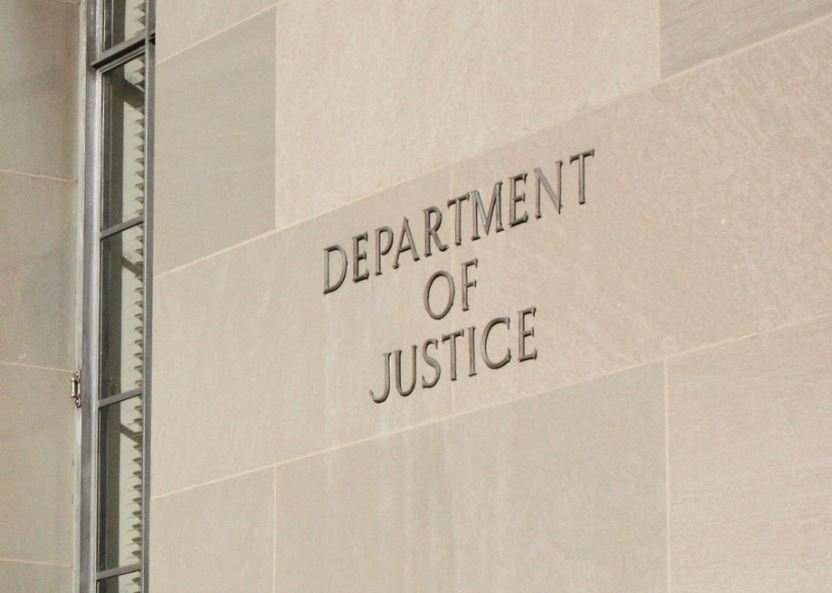
The U.S. Department of Justice countered that Minnesota’s past issues with other federally funded programs justified the USDA’s response and claimed the state could temporarily cover the shortfall with its own funds.
SNAP has remained a contentious issue nationally, particularly during Trump’s presidency. The program serves low-income Americans earning less than 130% of the federal poverty level, with maximum monthly benefits in fiscal year 2026 set at $298 for one person and $546 for a two-person household.







