


 BofA Names ASML Top Semiconductor Equipment Pick on Growth, Valuation
  SEC Proposes ‘Regulation Crypto Assets’ Framework for Crypto Fundraising
  PayPal Shares Sink as $50 Billion Takeover Bid Collapses
  Yindjibarndi Appeals Fortescue Mining Compensation Ruling
  SoftBank Eyes $20 Billion Bond Sale to Refinance OpenAI Loan
  Google Expands Gemini Enterprise With AI Tools for Legal Sector
  Nvidia Reportedly Eyes $13 Billion Hugging Face Acquisition
  Shein Hong Kong IPO to Raise $1.7 Billion at $26.5 Billion Valuation
  Amazon Secures 200 MW Wind Power Deals in Sweden
  Nvidia Options Price in $280 Billion Earnings Swing
  Jefferies Names AMEC Top China Semiconductor Equipment Pick
  Meta, U.S. States Discuss Settlement in Teen Addiction Trial
  Guatemala Receives 2,300 Mexicans Deported From US
  Salesforce Shares Surge as AI Demand Powers Q2 Earnings Beat
  Judge Blocks Trump Mail Voting Order Ahead of 2026 Midterms
  Trump Administration Moves to Strip ABA of Law School Accreditor Status
  Trump Orders Reduction in U.S.-South Korea Military Drills, Citing Kim Jong Un Ties


 Add as a preferred source on Google
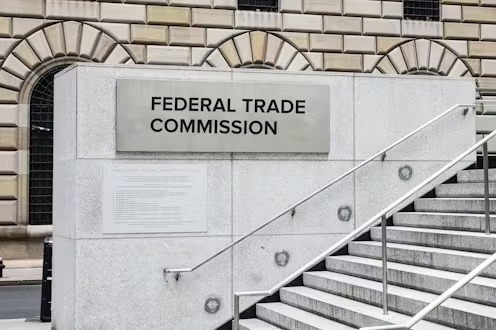
The U.S. Federal Trade Commission (FTC) announced it will require Synopsys (NASDAQ: SNPS) and Ansys (NASDAQ: ANSS) to divest certain assets as a condition for approving their $35 billion merger. The move is aimed at addressing antitrust concerns and preserving competition in critical software markets used for semiconductor design and light simulation.
According to the FTC, these software tools are essential for developing products such as smartphones, vehicles, and electronic devices. Without divestitures, the merger could lead to higher input costs across multiple industries, impacting consumers and innovation.
Synopsys is a top provider of electronic design automation (EDA) tools, widely used in the semiconductor industry. Ansys is known for its advanced simulation software used in testing a wide range of products, including chips and components. The FTC’s intervention ensures that key competitive dynamics in these high-tech software markets are maintained.
In a recent earnings call, Synopsys CEO Sassine Ghazi confirmed that the company has received regulatory approval for the merger in all jurisdictions except China. He emphasized ongoing efforts to secure Chinese clearance, stating, “We are working cooperatively and actively negotiating ... and we continue to anticipate closing in the first half of this year.”
The FTC’s decision highlights growing regulatory scrutiny of large tech mergers, particularly those with potential to reshape key infrastructure sectors such as semiconductor manufacturing and product development. The forced divestitures are expected to facilitate a more competitive landscape and prevent market dominance that could drive up costs and stifle innovation.
The Synopsys-Ansys deal remains one of the largest software mergers in recent history, and its resolution may set a precedent for how global regulatory bodies approach future consolidation in the tech sector.







