


 Faraday Future Delivers First Robots in Middle East, Plans September Launches
  Meta, U.S. States Discuss Settlement in Teen Addiction Trial
  SoftBank Plans Record $6.3 Billion Bond Sale to Fund OpenAI Investments
  PayPal Shares Sink as $50 Billion Takeover Bid Collapses
  Luxshare Shares Rise as First-Half Profit Jumps 18%
  Nvidia Pauses AI Cloud Financing Deals Amid Antitrust Concerns
  Pinterest Stock Falls as CFO Julia Brau Donnelly Resigns
  U.S. Disrupts China-Linked Hacking Campaign Targeting Government Agencies
  SK Hynix Shares Fall as Workers Reject Wage Deal
  New Zealand Labour Backs Social Media Ban for Under-16s
  Samsung Shares Tumble 8% as $79 Billion Return Plan Disappoints
  U.S. Probes Apex Logistics Over Nvidia AI Chip Shipments to China
  Nvidia Revenue Soars 106% as AI Demand Hits ‘Inflection Point’
  Salesforce Shares Surge as AI Demand Powers Q2 Earnings Beat
  BofA Names ASML Top Semiconductor Equipment Pick on Growth, Valuation


 Add as a preferred source on Google
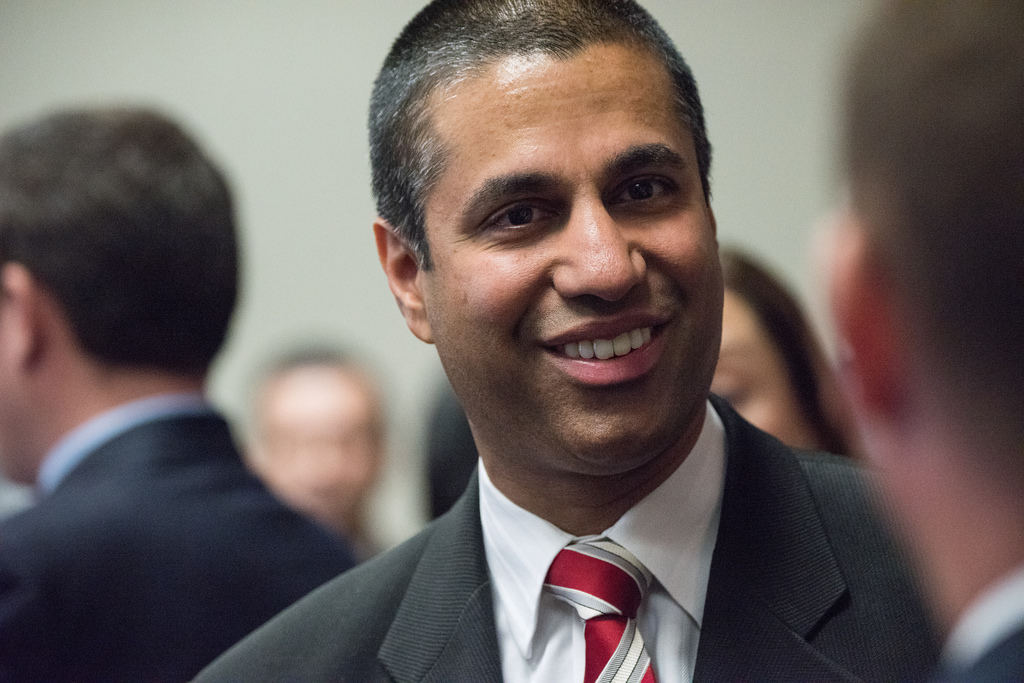
In what is largely considered an anti-consumer agenda, the Federal Communications Commission has announced that it is dismantling Net Neutrality rules. Led by FCC Chair Ajit Pai, the commission is going against the will of the American people, many of whom have expressed support for Net Neutrality. What’s more, Pai is also moving to block states from regulating internet service providers.
Despite millions of emails sent to the FCC and even more comments left on its website by American consumers, it would seem that the Pai and the Conservative-dominated government agency have already made up their minds. On Tuesday, the commission announced that Net Neutrality regulations would be dismantled, which will hand ISPs a huge win, the New York Times reports.
The FCC will be following the proposal that Pai himself has put forward, which essentially gets rid of all the rules imposed during the Obama era. This development sparked outrage from the tech industry, with giants like Google and Amazon now fighting hard against carriers like AT&T and Comcast. In a statement, Pai said that his proposal is intended to stop the government from interfering with ISPs.
“Under my proposal, the federal government will stop micromanaging the internet,” Pai said. “Instead, the F.C.C. would simply require internet service providers to be transparent about their practices so that consumers can buy the service plan that’s best for them and entrepreneurs and other small businesses can have the technical information they need to innovate.”
What would really cement this move as a victory for ISPs, however, is the fact that Pai wants to prevent states from conducting their own regulations. This would provide carriers with the ability to unilaterally nickel and dime consumers across the country. Proponents of Net Neutrality are questioning whether the FCC actually has this kind of authority, as well, Politico reports.
Under the new FCC proposal, ISPs would be free to throttle internet speeds to any destination they want. It would effectively limit freedom on the internet and could even have potentially devastating consequences on American Free Speech.







