


 Oil Prices Rise as Iran-U.S. Tensions Threaten Strait of Hormuz Supply
  Wall Street Falls as Oil Prices Rise, Fed Minutes and Retail Earnings in Focus
  US Presses Netanyahu to Condemn West Bank Settler Siege
  Israeli Troops Enter Palestinian Homes as Settler Siege Grips West Bank Village
  Oil Prices Steady as Strait of Hormuz Traffic Slows Amid US-Iran Conflict
  S&P 500 Retreats From Record High as AI Stocks Slide, Retail Sales Disappoint
  US Stock Futures Mixed as Fed Rate Hike Bets Fade, AI Deals in Focus
  Oil Prices Rise as U.S.-Iran Tensions Grip Strait of Hormuz
  US Dollar Slips as Soft Economic Data Eases Fed Rate Hike Expectations
  Malaysia Inflation Eases to 1.8% in July, Below Forecast
  Gaza Zoo Struggles to Save Animals Amid War
  Japan Economy Grows 1.1% in Q2 as Consumer Spending Stalls
  Australian Consumer Sentiment Jumps 6% in August as Rate Outlook Improves
  US Weighs New Sanctions Against Brazil Supreme Court Justice Alexandre de Moraes
  Citadel Warns High Treasury Yields Pose Broader Market Risks
  Morocco Arrests 111 in New Ceuta Migrant Crossing Attempt
  Colombia Earthquake Losses Estimated at $9.58 Billion as Reconstruction Challenge Mounts


 Add as a preferred source on Google
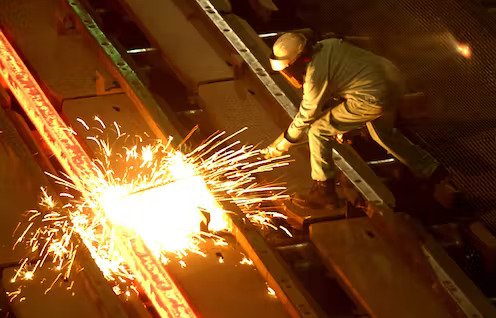
European steel prices are expected to climb as protectionist policies and decarbonization efforts reshape the market, according to Bank of America (BofA) strategists. A potential demand rebound by 2025 could bring relief to European steel mills, which have struggled with weak demand, high energy costs, and cheaper imports.
The European Central Bank's rate cuts may help stabilize steel-intensive industries like construction and automotive, which saw steel consumption drop by 1.5% and 6% year-over-year. While BofA forecasts economic growth below 1%, restocking efforts could support price stabilization. However, structural challenges persist, with European steel producers urging trade protection through the European Steel Action Plan. This includes trade defense measures, a revised Carbon Border Adjustment Mechanism (CBAM), and incentives for clean energy adoption.
Trade regulations in the European Union (EU) are under review, potentially leading to a 20% cut in import quotas and increased tariffs. EUROFER has proposed raising steel import duties from 25% to between 32-41% to counter cheaper imports, particularly from China, where hot-rolled coil and galvanized steel prices have remained significantly lower than European levels.
Decarbonization remains a key challenge, with rising carbon costs pressuring mills to adopt greener technologies. BofA estimates steel prices need to sustain above €800 per ton—up from the current €590—to justify green investments. For green steel to be competitive, carbon prices must reach €130 per ton by 2030, with €160 per ton needed to curb competition from high-carbon imports.
If trade barriers tighten and carbon pricing aligns with EU targets, European mills could regain pricing power. However, cost pressures and competition from low-cost producers will continue to challenge profitability in the evolving market.







