


 RBA Minutes Signal Australia Central Bank Remains Ready to Raise Interest Rates if Inflation Persists
  Trump Questions Housing Bill as He Prioritizes SAVE America Act
  Australia Sues Amazon Over Prime Video Ads and Subscription Terms
  World Bank Approves $1.1 Billion Emergency Funding for Bangladesh Amid Food and Energy Price Pressures
  Argentina Economy Shrinks 1.5% in April, Recovery Under Milei Loses Momentum
  Open-Source AI Models Gain Ground as Enterprises Seek Lower-Cost Alternatives, Citi Says
  Apple Challenges India Antitrust Probe, Says CCI Copied Rivals’ Claims in App Store Case
  The government is ‘doubling down’ on its social media ban. But bigger penalties for platforms aren’t enough
  US Egg Producers Settle Price Manipulation Probe, Agree to Pay $3.3 Million and Donate 53 Million Eggs
  Gold Prices Drop as Fed Rate Outlook and Iran Tensions Weigh on Market
  Gold's 365-Day EMA Streak Since Oct 2023 Faces Its First Real Test at $3,980 — Break or Bounce to $4,140?
  California Court Dismisses Trump Administration Lawsuit Against Los Angeles Sanctuary Policy


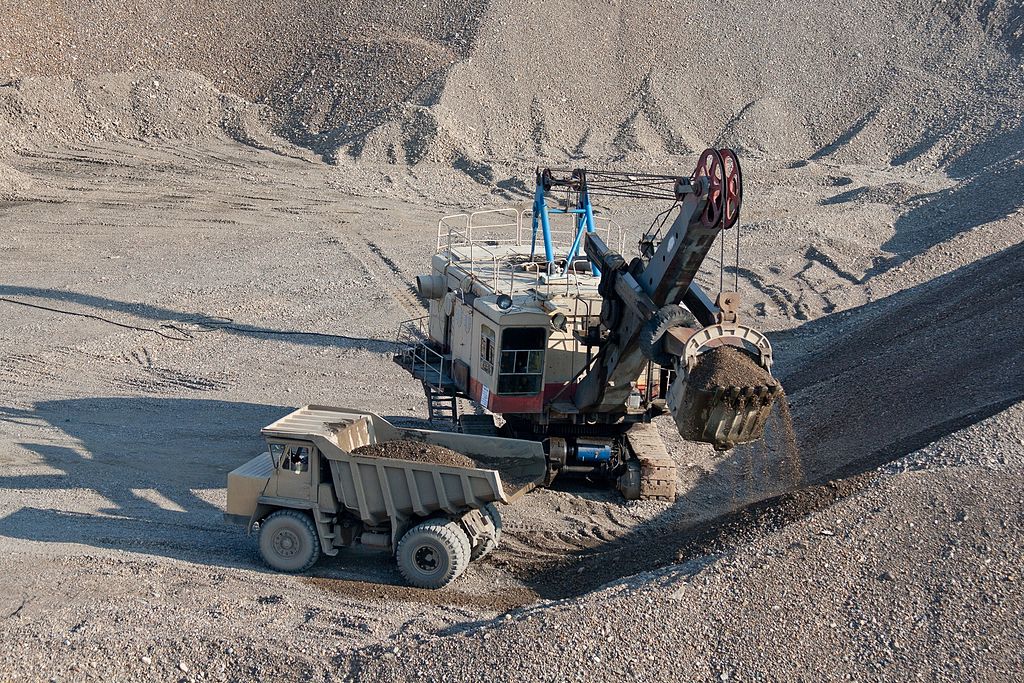

In calling for an end to fossil fuel subsidies, critics of Australia’s fuel tax credits system have highlighted its cost to Australian taxpayers and the budget bottom line.
The Greens have said that ending fossil fuel subsidies to big mining companies would save Australian taxpayers A$21 billion over the forward estimates (the next four years). On the ABC’s Q&A program, Greens deputy leader Larissa Waters said her party advocated:
getting rid of the A$24 billion over the forward estimates – that’s four years – in free money that goes to the fossil fuel sector in things like cheap diesel and accelerated depreciation.
These numbers are drawn from policy costings produced by the Parliamentary Budget Office (PBO) ahead of the July federal election.
The PBO’s 2016 post-election report, which details the budget impacts of various election commitments, notes that:

Parliamentary Budget Office, 2016 post-election report
The Greens propose abolishing fuel tax credits for all industries except agricultural businesses, ending accelerated asset depreciation for aircraft, the oil and gas industry and vehicles (except for those used for agricultural purposes), and a range of other measures.
Opinions differ on whether fuel tax credits constitute a “subsidy” or not.
Most fuel users have to pay a fuel excise of 39.5 cents per litre. But businesses can claim exemption from this obligation in certain circumstances. This exemption takes the form of a credit for the fuel tax (excise or customs duty) that’s included in the price of fuel.
These tax breaks include fuel excise exemptions for off-road use of fuel by the mining industry and primary producers. There’s also a partial rebate for large trucks (over 4.5 tonnes), the owners of which pay a road usage charge rather than the excise.
The PBO has estimated that the Australian Greens' proposal of abolishing the fuel tax credit for all industries except agricultural businesses would increase the budget balance by about A$4.5 billion a year.
Unpacking the assumptions
However, it’s worth detailing the assumptions that underpin these calculations.
First, the PBO says its costing assumes that business fuel usage does not change as a result of the policy. As the goal of a higher tax is to reduce fuel use and pollution, the PBO’s reported estimate will therefore be an overestimate of the revenue gain.
Also, uncertainty about the future means that all such revenue estimates are far from guaranteed. The PBO notes that:

Many consider the 39.5 cents a litre fuel excise a crude form of user-pays fee to cover the cost of government expenditures on public roads. The revenue raised by fuel excise of A$17.8 billion and state taxes on motor vehicles of A$9.5 billion for 2014-15 more than cover federal, state and local government spending on road construction, maintenance and other related costs.
This is the logical argument put forward by representatives of the mining industry for exemption from the fuel excise. They note that the mining industry builds and maintains its own roads. A similar argument applies for fuel used by primary industry for off-road purposes.
Others argue that fuel taxes help encourage people to use less of it, and thereby reduce pollution. However, a 39.5 cents per litre tax represents a very large tax per tonne of CO2 equivalent. If the fuel excise was regarded just as a tax on greenhouse gas emissions, the 39.5 cents per litre represents a tax of more than A$150 per tonne of greenhouse gas from the combustion of fuel – several times higher than the Gillard government’s A$24 per tonne carbon price, and the even lower European Union pollution permit price. It is stretching credibility to say the fuel excise is just a tax on pollution.
I’d argue in favour of the position taken in the 2010 Henry tax review, which recommended a roughly revenue-neutral reform package, replacing the current fuel excise and state motor vehicle taxes with a road user charge, a congestion tax and a pollution tax.
With this reform, the mining and agricultural industries would be exempt from the tax components on fuel for road funding and for congestion, but would pay a component for the external costs associated with greenhouse gas emissions.
 John Freebairn does not work for, consult, own shares in or receive funding from any company or organisation that would benefit from this article, and has disclosed no relevant affiliations beyond the academic appointment above.
This article was originally published on The Conversation. Read the original article.







