


 Missouri Judge Dismisses Lawsuit Challenging Starbucks’ Diversity and Inclusion Policies
  Rio Tinto Shares Hit Record High After Ending Glencore Merger Talks
  Toyota’s Surprise CEO Change Signals Strategic Shift Amid Global Auto Turmoil
  Nvidia CEO Jensen Huang Says AI Investment Boom Is Just Beginning as NVDA Shares Surge
  Kroger Set to Name Former Walmart Executive Greg Foran as Next CEO
  TrumpRx Website Launches to Offer Discounted Prescription Drugs for Cash-Paying Americans
  Global PC Makers Eye Chinese Memory Chip Suppliers Amid Ongoing Supply Crunch
  Trump’s Inflation Claims Clash With Voters’ Cost-of-Living Reality
  Once Upon a Farm Raises Nearly $198 Million in IPO, Valued at Over $724 Million
  Asian Currencies Stay Rangebound as Yen Firms on Intervention Talk
  Asian Stocks Slip as Tech Rout Deepens, Japan Steadies Ahead of Election
  Vietnam’s Trade Surplus With US Jumps as Exports Surge and China Imports Hit Record
  Nikkei 225 Hits Record High Above 56,000 After Japan Election Boosts Market Confidence
  Japan Economy Poised for Q4 2025 Growth as Investment and Consumption Hold Firm
  China Extends Gold Buying Streak as Reserves Surge Despite Volatile Prices
  Russian Stocks End Mixed as MOEX Index Closes Flat Amid Commodity Strength
  Indian Refiners Scale Back Russian Oil Imports as U.S.-India Trade Deal Advances


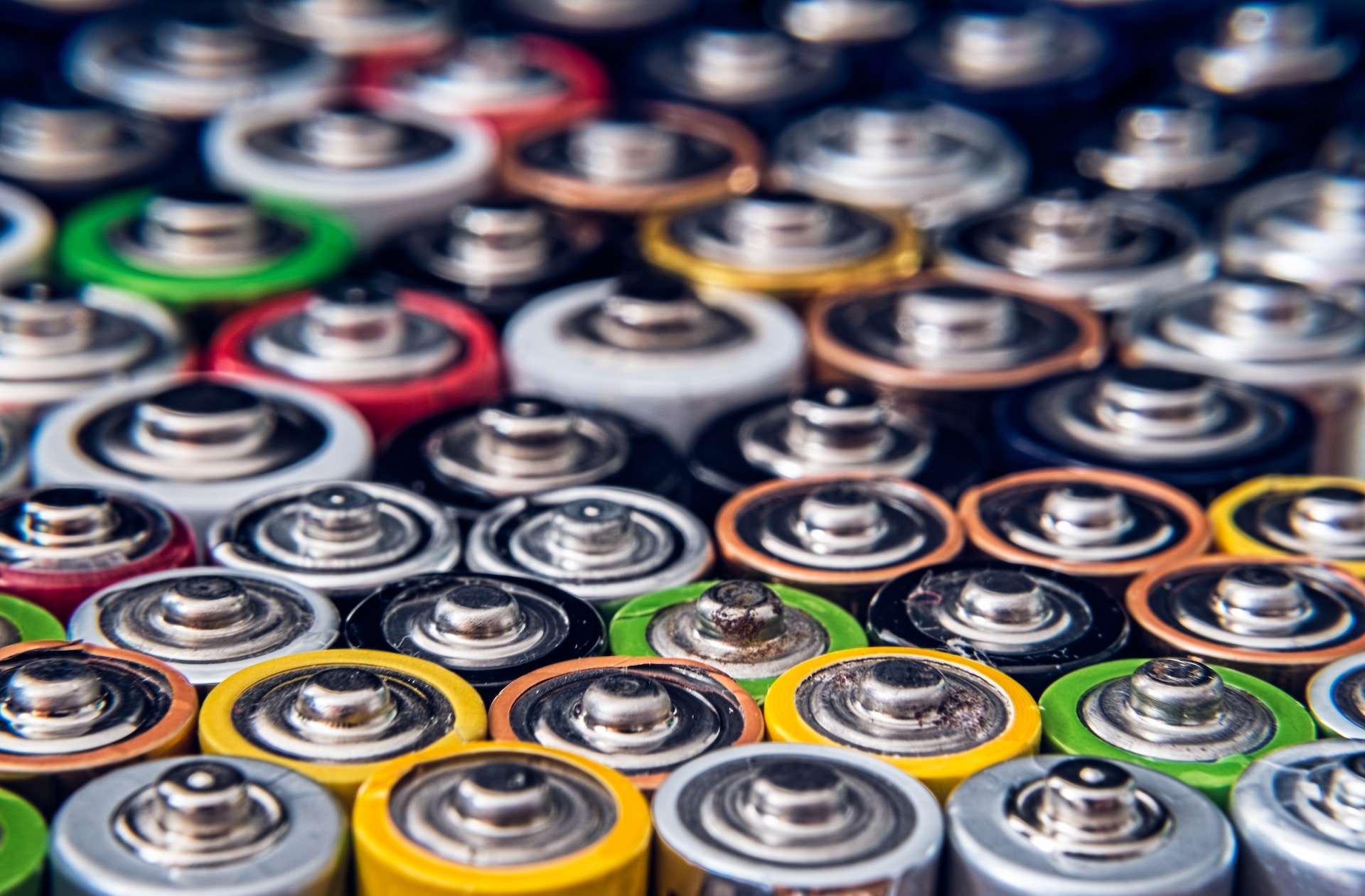
Walmart and Energizer Holdings Inc. were sued by both retailers and shoppers for suspicion of collusion. They have reportedly proposed three antitrust class action suits after accusing the companies of being in cahoots to raise the prices of disposable batteries.
According to Reuters, the complaints against Walmart and Energizer were filed on Friday, April 28. It was stated in the documents that the world’s largest battery maker agreed "under pressure from Walmart" to increase battery prices for wholesale transactions with other retailers.
This scheme allegedly started sometime in 2018, and Energizer also required the retailers not to sell batteries for prices lower than Walmart’s. If they charge less than the Arkansas-headquartered retailer chain firm, the rival retailers risked being cut off by Energizer or given higher wholesale prices.
In the complaint, it was further stated that the setup resulted in higher prices of batteries - from Energizer and Duracell - which are the dominant firms in the disposable battery industry with a combined total of 85% market share. The higher prices are said to be unexplainable amid inflation and changes in demand.
Retailers and consumers are also seeking injunctions to stop Energizer from binding battery sales to pricing. They want Energizer and Walmart to dissolve the effects of their anticompetitive practices and behaviors.
The complainants also said that the battery maker’s market share in the United States also rose to more than 50% from its 40% percentage in 2018. Moreover, they mentioned that a sales representative of Energizer confirmed they had made changes to their pricing after Walmart requested it.
"She admitted that Energizer had adjusted its pricing policies at Walmart's request, telling him, 'This is 1000% about Walmart and wanting the best price,'" they said in the filing.
Meanwhile, the antitrust cases against Energizer and Walmart that were filed in the U.S. District Court, Northern District of California, are Portable Power Inc v Energizer Holdings Inc et al, No. 23-02091; Copeland et al v Energizer Holdings Inc et al, No. 23-02087; and Schuman et al v Energizer Holdings Inc et al, No. 23-02093.
Photo by: Roberto Sorin/Unsplash













