


 GSK Unveils $2.52 Billion Cost-Cutting Plan to Accelerate Drug Pipeline
  X Challenges Australia’s Expanded Social Media Ban Enforcement Powers
  Russia Charges Telegram Founder Pavel Durov With Facilitating Terrorism, Seeks International Arrest
  Arm Holdings Q1 Earnings Beat Estimates, Strong Q2 Outlook Fails to Lift ARM Stock
  SK Hynix Q2 Profit Hits Record as AI Memory Chip Demand Fuels Growth
  Toyota First-Half Global Sales and Production Decline on Weak China Demand, RAV4 Transition
  World game at war: why some European nations have threatened a World Cup boycott
  Sika Raises 2026 Sales Outlook After Strong First-Half Results Beat Expectations
  OpenAI Revenue Surges After GPT-5.6 Launch as IPO Expectations Grow
  Sony Eyes $1.3 Billion Tamron Acquisition as Lens Maker Reviews Offer
  BHP, Port Hedland Unions Fail to Reach Wage Deal as Negotiations Continue
  Starbucks Stock Jumps as Q3 Earnings Beat, Sales Growth Drives Higher 2026 Outlook
  Seagate Stock Jumps as AI-Fueled Earnings Beat and Strong FY2027 Outlook Impress Investors
  Qualcomm Stock Falls as Weak Q4 Forecast, Apple Revenue Decline Overshadow AI Data Center Growth
  Samsung Q2 Profit Surges on AI Memory Chip Demand, Forecasts Strong Second Half
  Meta-backed research finds exposure to ‘untrustworthy’ social media is rare. The fine print is less reassuring
  Chipotle Q2 Earnings Beat Expectations as Sales Growth Drives Higher 2026 Outlook


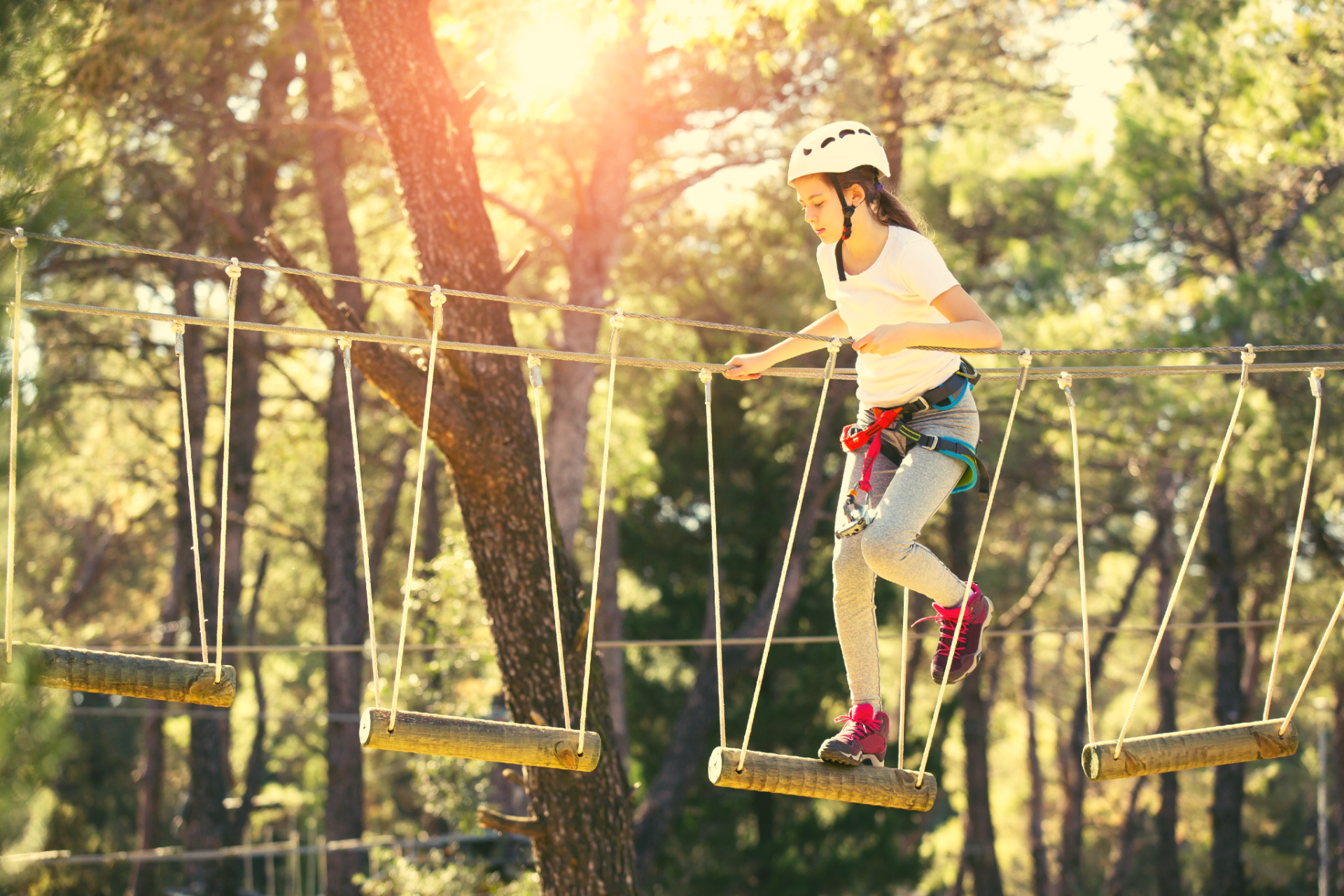
Allowing teenagers to participate in recreational activities, such as individual or team sports, hiking, walking, meditation, etc. helps them explore and develop key skills, which are considered beneficial throughout their lives. By participating in these activities, adolescents are exposed to various physical, emotional and educational benefits.
In residential treatment centers, like Elevations RTC for example, recreational programming is made a priority. Along with an increase in physical activity, recreational programming in RTCs gives enrolled teens the chance to socialize and develop.
If you’re looking to enroll your teenager in a residential treatment center, ensure the center you choose makes recreational programming a priority. Why? Elevations RTC notes that enrolment in recreational programming will greatly benefit your child in the following ways:
Promotes a healthier body. Participating in physical activity will lead to healthier lifestyles. In fact, studies have shown that teens that participate in recreational leisure programs have lower body mass index values, a reduced risk of developing type 2 diabetes, and have quicker recovery times after injury.
Brings forth a happier and healthier mind. Taking part in recreational programming can help in the development of a teen’s self-esteem and confidence. A gesture such as a high-five from a teammate or peer, or a simple word of support can help build this confidence. Additionally, recreational programming can positively benefit a teen’s mental stability because it encourages team support and reduces feelings of loneliness.
“I’ve definitely felt supported throughout my time here at Elevations,” says a student at Elevations RTC. “Feeling the support from my peers has been one of the most important parts of my growth.” Simply put, peer support can go a long way in building a happier and healthier mental state.
Increases productivity. When young people feel good about themselves they are more productive in their everyday lives, families, and communities. Recreational programming can teach the importance of togetherness, trust, and personal challenge. The earlier a person is exposed to these everyday issues, the better prepared they will be to face them productively.
Develops good social skills. Participating in recreational programming can help develop social skills, which can be used no matter what age you are. Recreational programs will teach a young person about teamwork and cooperating with others. Also, joining a recreational activity helps give teenagers a better sense of belonging and how to work together as a team. With more friendship circles, communication skills can be further developed, which (as mentioned) can be useful at any stage of life.
5. Maintains discipline. Recreational programming, in particular, sporting activities, requires participants to maintain discipline. This discipline could be mental, physical, or strategic. Others also appreciate good discipline, as it promotes good human behavior to better society and make it a more enjoyable place altogether.
Recreational Programming for Physical, Emotional & Mental Health
Recreational programming during residential treatment is hugely beneficial for the physical, emotional and mental well being of each and every teen enrolled in the treatment center. At Elevations RTC, it is their priority to find a way to balance a focused therapy program with recreational activities. They firmly believe that recreational programming in combination with intensive psychiatric treatment will guide a troubled adolescent into a more positive direction.
This article does not necessarily reflect the opinions of the editors or management of EconoTimes.







