


 German Exports Drop 2.3% in January, Exceeding Forecast Decline
  Ukraine Strikes Russian Missile Component Factory in Bryansk Using British Weapons
  Trump Hints at Possible U.S. Takeover of Cuba Amid Deepening Humanitarian Crisis
  U.S. and Russia Hold Diplomatic Talks in Florida Amid Ongoing Tensions
  Russian Drone Strikes Hit Kharkiv and Dnipro, Injuring Over 20 Civilians
  Iran's Government Remains Stable Despite U.S. and Israeli Strikes, Intelligence Shows
  Asian Stock Markets Rise as Oil Prices Pull Back; U.S. CPI in Focus
  Bank of Japan Expected to Hold Rates at 0.75% Before June Hike Amid Middle East War Uncertainty
  Iran-Israel War Sparks Global Oil Crisis as Tankers Burn in Gulf Waters
  Shots Fired at U.S. Consulate in Toronto in Suspected National Security Incident
  Gold Prices Climb Above $5,200 as Iran War Uncertainty and Inflation Data Loom
  Asian Currencies Face Pressure as U.S.-Iran Conflict Weighs on Markets
  U.S. Futures Slide as Oil Prices Surge on Middle East Shipping Attacks
  Trump Doubts Iran Mining Reports as Strait of Hormuz Tensions Escalate
  Iran Mines Strait of Hormuz: Crude Oil Prices Surge Amid Middle East Tensions
  Bipartisan Housing Bill Advances in Senate, Aims to Tackle U.S. Affordability Crisis
  Asia FX Steady as Iran War Signals and U.S. Inflation Data Weigh on Sentiment


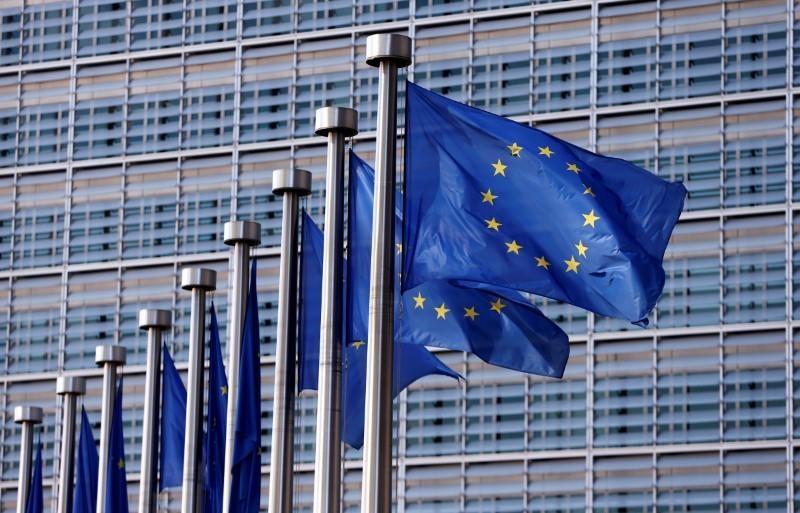
The European Commission has urged the United States to uphold the terms of last year’s EU-U.S. trade deal after the U.S. Supreme Court struck down former President Donald Trump’s global tariffs. The ruling prompted Trump to announce new temporary tariffs of 10% across the board, which were quickly increased to 15%, reigniting tensions in transatlantic trade relations.
As the executive body responsible for trade policy on behalf of the 27 European Union member states, the European Commission called on Washington to provide “full clarity” بشأن its next steps following the court’s decision. EU officials stressed that the current uncertainty threatens the stability of the transatlantic trade agreement reached last year.
Under the existing EU-U.S. trade agreement, most EU goods entering the U.S. market are subject to a 15% tariff, excluding products already covered by sector-specific duties, such as steel. The agreement also established zero tariffs on selected goods, including aircraft and spare parts. In return, the EU reduced or eliminated import duties on various American products and withdrew plans for retaliatory tariffs.
The Commission emphasized that EU exports must continue to receive the “most competitive treatment” outlined in the agreement, without any tariff increases beyond the agreed ceiling. Officials warned that unpredictable tariff policies disrupt global markets, weaken investor confidence, and undermine efforts to maintain fair, balanced, and mutually beneficial trade between the United States and the European Union.
The Commission’s latest statement marks a sharper tone compared to its initial response, which had indicated it was reviewing the Supreme Court ruling while maintaining contact with U.S. authorities. EU Trade Commissioner Maros Sefcovic discussed the matter with U.S. Trade Representative Jamieson Greer and Commerce Secretary Howard Lutnick, highlighting the urgency of preserving stable EU-U.S. trade relations amid renewed tariff uncertainty.
The situation underscores growing concerns over global trade stability and the future of transatlantic economic cooperation.













