


 Iran Mines Strait of Hormuz: Crude Oil Prices Surge Amid Middle East Tensions
  Bipartisan Housing Bill Advances in Senate, Aims to Tackle U.S. Affordability Crisis
  U.S. Markets Slip Amid Iran Conflict Uncertainty as Oil Prices Retreat
  Venezuela Names Paula Henao as New Oil Minister Amid U.S.-Led Industry Overhaul
  IEA Plans Record Emergency Oil Release Amid Iran Strait of Hormuz Crisis
  FBI Warns of Possible Iranian Drone Attacks on California Amid U.S.-Iran War
  Chinese AI Stocks Surge as Tencent, MiniMax, and Zhipu Launch Agentic AI Programs
  Asian Currencies Face Pressure as U.S.-Iran Conflict Weighs on Markets
  Ukraine Strikes Russian Missile Component Factory in Bryansk Using British Weapons
  Mexico's Electoral Reform Bill Fails in Congress as Coalition Fractures
  Iran-Israel War Sparks Global Oil Crisis as Tankers Burn in Gulf Waters
  Bank of Japan Expected to Hold Rates at 0.75% Before June Hike Amid Middle East War Uncertainty
  Iran's Government Remains Stable Despite U.S. and Israeli Strikes, Intelligence Shows
  Boeing Secures $289 Million Smart Bomb Contract With Israel
  Trump Administration Launches Trade Investigations Against 16 Countries Over Industrial Overcapacity
  ANZ and Westpac Forecast Two RBA Rate Hikes in March and May 2026
  Iran-U.S. Oil Tensions Escalate as Revolutionary Guards Threaten Strait of Hormuz Blockade


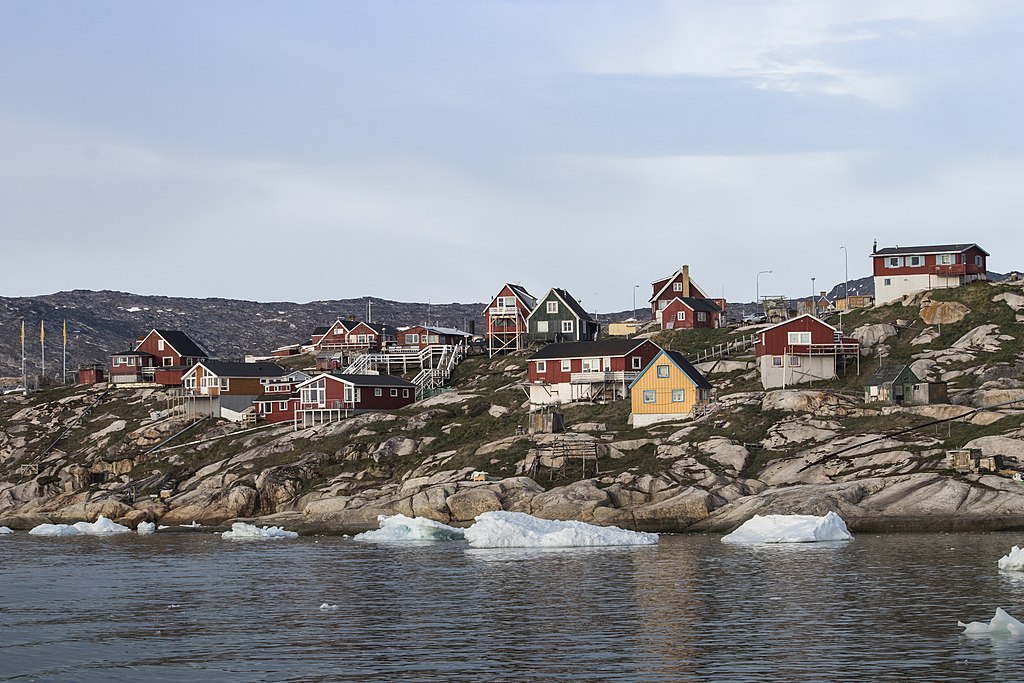
Ambassadors from the European Union’s 27 member states are set to gather on Sunday for an emergency meeting following escalating tensions with the United States, after U.S. President Donald Trump threatened a new wave of tariffs against European allies. The move comes after Trump reiterated his demand that the United States be allowed to buy Greenland, a semi-autonomous territory of Denmark, reigniting a controversial issue that has strained transatlantic relations.
According to EU officials, the extraordinary meeting was called by Cyprus, which currently holds the EU’s six-month rotating presidency. The Cypriot government announced late Saturday that it had requested urgent consultations among EU ambassadors to assess the situation and coordinate a unified response. Diplomats confirmed that the meeting is scheduled to begin at 5 p.m. local time in Brussels (1600 GMT).
The emergency talks reflect growing concern within the European Union over the potential economic and political fallout of renewed U.S. tariffs. President Trump reportedly warned that duties on European goods could increase unless Washington is given the opportunity to negotiate the purchase of Greenland, a proposal that has been firmly rejected by Denmark and viewed across Europe as unacceptable. EU leaders see the issue not only as a matter of sovereignty but also as a test of unity among member states in the face of external pressure.
Trade relations between the EU and the United States have been fragile in recent years, with disputes over steel, aluminum, and digital taxes already impacting billions of euros in trade. A fresh round of tariffs could further disrupt supply chains, raise costs for businesses and consumers, and weaken the broader transatlantic partnership at a time of global economic uncertainty.
EU diplomats are expected to discuss possible countermeasures, diplomatic outreach to Washington, and strategies to de-escalate tensions while defending European interests. While no formal decisions are anticipated from Sunday’s meeting, the talks aim to send a clear signal that the EU is prepared to respond collectively to any unilateral trade actions.
The outcome of the emergency session may shape the next phase of EU-U.S. relations, as European leaders balance the need for dialogue with the determination to protect economic stability and political sovereignty.













