


 Global Central Banks Brace for More Rate Hikes as Inflation Risks Rise
  Yen in Focus as BOJ, Fed Rate Hikes Reshape Currency Markets
  BOJ Set for 25-Basis-Point Rate Hike as Yen Weakness Fuels Inflation
  Australia Inflation Accelerates to 4% After RBA Rate Hike
  US Alcohol Ban Exposes Canada’s Internal Trade Barriers
  Gold Holds Near Seven-Week Low as Fed Rate Hike Bets Rise
  India Manufacturing Growth Hits Seven-Month High in September
  ECB May Stop Rate Hikes After December, Capital Economics Says
  Fed’s Williams Signals One More Rate Hike Before Year-End
  RBI Uses $10 Billion Currency Swaps to Drain Excess Rupee Liquidity
  South Korea Exports Set for 16th Monthly Gain on AI Chip Demand


 Add as a preferred source on Google
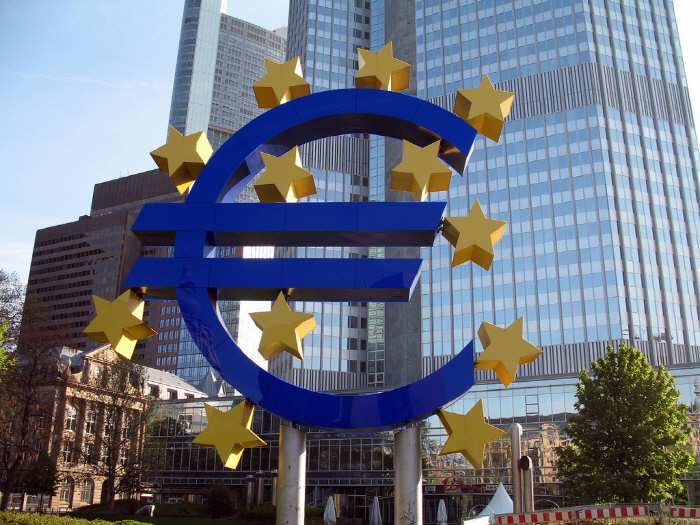
The European Central Bank (ECB) is widely expected to cut interest rates for the seventh time this year on Thursday, aiming to support a weakening eurozone economy hit hard by lingering U.S. tariffs and global market volatility. The move would bring the deposit rate down to 2.25%, a step investors have already priced in.
The ECB has been easing monetary policy as inflation slows and price pressures subside. With growth projections under threat from trade tensions and weak global demand, especially from China, policymakers see further rate cuts as necessary. According to Deutsche Bank, the economic damage from trade uncertainty and reciprocal tariffs now outweighs previous ECB forecasts.
Despite a pause in new tariffs by U.S. President Donald Trump, existing trade barriers and ongoing financial instability continue to weigh on the eurozone. The ECB previously estimated that tariffs could shave 0.5% off GDP, but that may be too optimistic if trade tensions escalate.
Energy prices remain low, the euro has strengthened, and inflation risks falling below the ECB’s 2% target—possibly through most of 2026, according to Morgan Stanley. This gives policymakers added incentive to ease further to meet inflation goals.
Investors will closely watch ECB President Christine Lagarde’s press conference for signals on future policy direction. However, Lagarde is expected to maintain a cautious tone, emphasizing data dependency and uncertainty. She may also face questions about Germany’s anticipated fiscal expansion, which could push inflation higher in the long term and eventually force the ECB to reverse course.
UBS economist Reinhard Cluse predicts the ECB could begin hiking rates again by late 2026, anticipating two 25bps increases to counter inflationary pressures from increased government spending.







