


 Israel Approves West Bank Measures Expanding Settler Land Access
  Federal Judge Restores Funding for Gateway Rail Tunnel Project
  India–U.S. Interim Trade Pact Cuts Auto Tariffs but Leaves Tesla Out
  Pentagon Ends Military Education Programs With Harvard University
  US Pushes Ukraine-Russia Peace Talks Before Summer Amid Escalating Attacks
  U.S. Lawmakers to Review Unredacted Jeffrey Epstein DOJ Files Starting Monday
  Trump Signs “America First Arms Transfer Strategy” to Prioritize U.S. Weapons Sales
  Nicaragua Ends Visa-Free Entry for Cubans, Disrupting Key Migration Route to the U.S.
  Trump Lifts 25% Tariff on Indian Goods in Strategic U.S.–India Trade and Energy Deal
  Trump Allows Commercial Fishing in Protected New England Waters
  TrumpRx.gov Highlights GLP-1 Drug Discounts but Offers Limited Savings for Most Americans
  Ohio Man Indicted for Alleged Threat Against Vice President JD Vance, Faces Additional Federal Charges
  Norway Opens Corruption Probe Into Former PM and Nobel Committee Chair Thorbjoern Jagland Over Epstein Links
  Japan Election 2026: Sanae Takaichi Poised for Landslide Win Despite Record Snowfall
  Trump’s Inflation Claims Clash With Voters’ Cost-of-Living Reality
  Trump Signs Executive Order Threatening 25% Tariffs on Countries Trading With Iran
  Anutin’s Bhumjaithai Party Wins Thai Election, Signals Shift Toward Political Stability


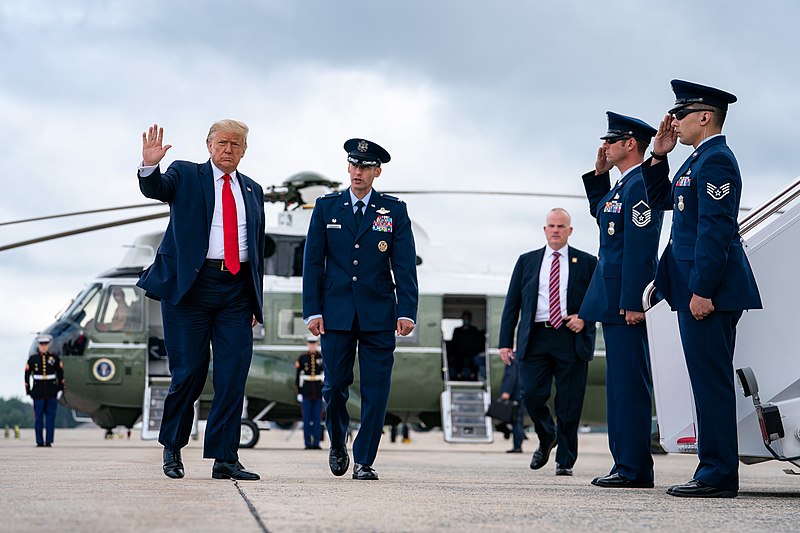
Since 2019, Hong Kong underwent a lot of mass protests, with many of its residents facing police brutality because of China’s interference with its autonomy. Recently, Donald Trump announced that he has signed legislation to impose sanctions on China for its interference.
CNBC reports during a meeting with the press at the White House Rose Garden, Trump announced that he has signed the legislation that will bring sanctions onto China. The law, which is now referred to as the Hong Kong Autonomy Act, would result in mandatory sanctions against Chinese officials and companies that aided in the nation’s imposing of a security law designed to forcibly eliminate any dissent in Hong Kong. The bill was passed in Congress earlier in the month.
The Trump administration has long been critical of the national security law Beijing has tried to impose on Hong Kong. The law would mean rejection of any literary material that opposes or criticizes the Chinese Communist Party as well as place a limit on Hong Kong’s autonomy.
Along with imposing sanctions on China, Trump has also announced that he signed a new Executive Order ending the preferential treatment for Hong Kong. “Hong Kong will now be treated the same as mainland China. No special privileges, no special economic treatment, and no export of sensitive technologies. In addition to that, as you know, we are placing massive tariffs and have placed very large tariffs on China,” said Trump during the meeting.
Meanwhile, the administration has come under fire for its new law forcing international students to return to their home countries unless they are enrolled in classes in the upcoming semester. This policy has resulted in states as well as educational institutions filing lawsuits to drop the rule. The first to sue were ivy league schools Harvard and MIT. 59 other universities and educational institutions have expressed their support to drop the policy in a court brief. 18 state attorneys general have also filed lawsuits.
Massachusetts District Judge Allison Burroughs revealed that the parties have now come to an agreement. The agreement stipulates the policy made back in March, that foreign students would be able to attend their classes that have since moved online because of the pandemic, and that they would be allowed to remain in the US legally.













