


 Yen Falls to 40-Year Low as Markets Watch Japan Intervention and U.S. Jobs Report
  Trump Urges Gasoline Retailers to Cut Prices to $2.50 Per Gallon, Warns of Legal Action
  Argentina Economy Shrinks 1.5% in April, Recovery Under Milei Loses Momentum
  RBA Minutes Signal Australia Central Bank Remains Ready to Raise Interest Rates if Inflation Persists
  China Factory PMI Seen Returning to Growth in June as AI Export Demand Supports Economy
  Asian Currencies Stay Range-Bound as Investors Eye China Data, RBNZ Outlook and U.S.-Iran Ceasefire
  China Sets 1.25% Overnight Reverse Repo Rate Below Market Expectations
  Gold Price Hits Annual Low as Fed Rate Hike Bets and Sticky Inflation Weigh on Bullion
  Trump Questions Housing Bill as He Prioritizes SAVE America Act
  Global Financial Firms Shift Asia Expansion Focus to South Korea as China, India Face Caution
  Trump Suspends Some Morocco Fertilizer Tariffs to Ease U.S. Supply Shortage
  Oil Prices Rise as US-Iran Tensions Threaten Strait of Hormuz Oil Shipments
  Economic pessimism has set in – but there are reasons for Australians to be hopeful
  US Dollar Slips After PCE Inflation Data as Fed Rate Hike Expectations Stay Elevated
  Japan Targets 1%+ Real Economic Growth With ¥370 Trillion Investment Plan
  Dollar Slips Ahead of Key U.S. Jobs Data as Fed Rate Outlook, ECB, and Iran Talks Shape Forex Markets
  Gold Price Falls as Fed Rate Hike Fears and U.S.-Iran Tensions Weigh on Bullion


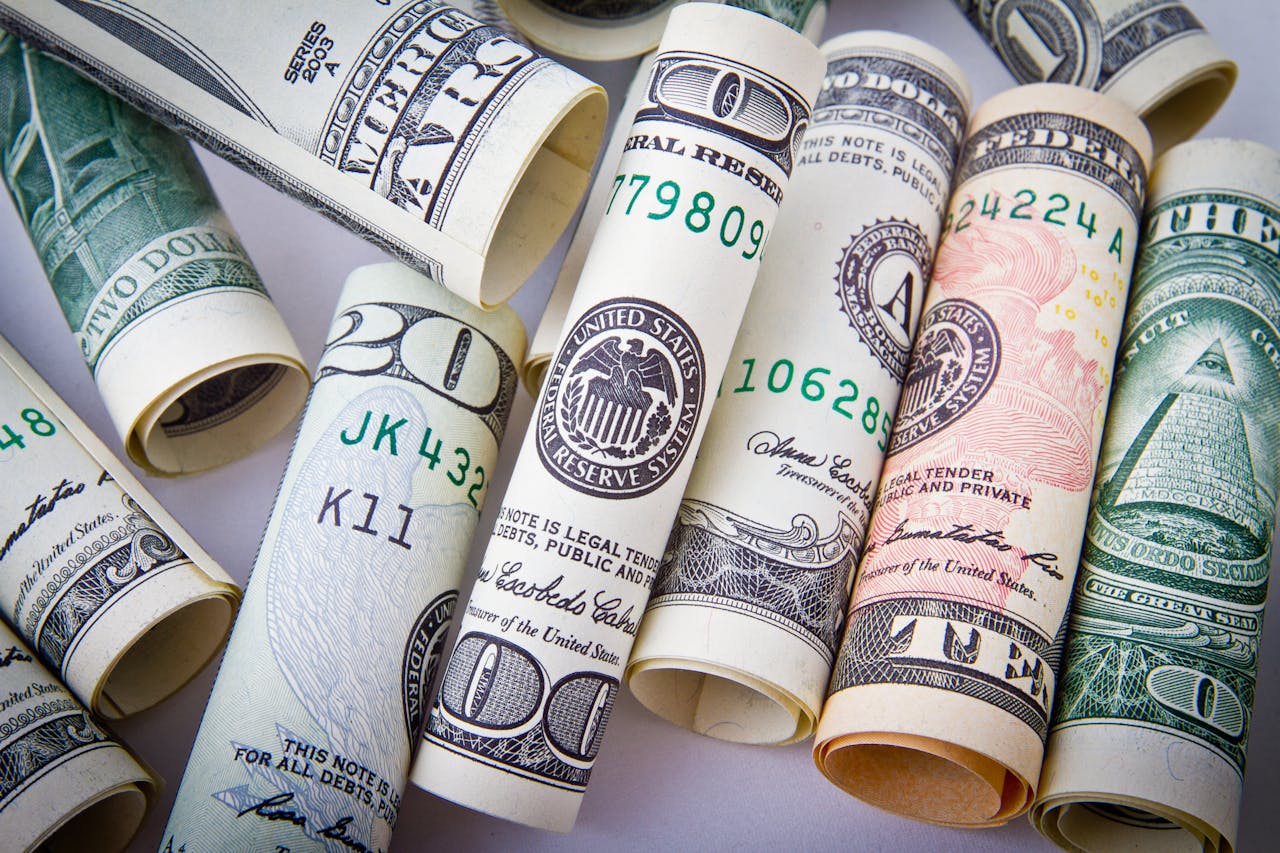
The U.S. dollar slipped on Monday as optimism surrounding a potential U.S.-Iran peace agreement improved investor sentiment and reduced demand for safe-haven assets. Trading activity remained light due to public holidays in the United States, Hong Kong, and South Korea, but currency markets still reacted strongly to geopolitical developments and falling oil prices.
The U.S. Dollar Index and dollar futures both declined by 0.2% after former President Donald Trump stated that Washington and Tehran had largely negotiated a framework agreement aimed at ending tensions and reopening the Strait of Hormuz. U.S. Secretary of State Marco Rubio also confirmed that both sides were working on a “solid” framework covering regional security and Iran’s nuclear activities.
Although Iran acknowledged progress in discussions, it reportedly resisted U.S. demands regarding its enriched uranium stockpile. Despite lingering uncertainty, investors welcomed signs of de-escalation, leading to a sharp drop in oil prices. Lower crude prices eased concerns over energy-driven inflation, reducing expectations for future U.S. interest rate hikes and putting pressure on the dollar.
Major global currencies strengthened against the greenback. The euro and British pound gained between 0.3% and 0.4%, while several Asian currencies also advanced.
The Indian rupee emerged as one of the strongest performers, with USD/INR falling 0.5%. The move followed comments from Reserve Bank of India Governor Sanjay Malhotra, who said the rupee appeared undervalued and pledged continued intervention to stabilize currency markets.
Elsewhere in Asia, the Japanese yen and Chinese yuan both posted modest gains. The Australian dollar climbed 0.5% after recovering from losses tied to weak employment data last week. Meanwhile, the Singapore dollar strengthened after first-quarter GDP figures exceeded market expectations.
Overall, easing geopolitical tensions and softer oil prices helped drive a broader rally in global currencies while weakening the U.S. dollar.







