


 U.S. Futures Slide as Oil Prices Surge on Middle East Shipping Attacks
  Nations will release an extra 400 million barrels of oil to the market. All we need to do now is not panic at the pump
  U.S. Markets Slip Amid Iran Conflict Uncertainty as Oil Prices Retreat
  Dollar Strengthens Amid Oil Price Surge and Inflation Fears
  Asian Currencies Face Pressure as U.S.-Iran Conflict Weighs on Markets
  Diesel Price Surge Threatens Global Economy Amid Middle East Conflict
  IEA Releases Record 400 Million Barrels of Oil Amid U.S.-Iran War
  Iran-Israel War Sparks Global Oil Crisis as Tankers Burn in Gulf Waters
  Asian Stock Markets Rise as Oil Prices Pull Back; U.S. CPI in Focus
  Gold Prices Slip as U.S.-Israel-Iran War Fuels Dollar and Oil Demand
  IEA Plans Record Emergency Oil Release Amid Iran Strait of Hormuz Crisis
  Chinese AI Stocks Surge as Tencent, MiniMax, and Zhipu Launch Agentic AI Programs
  Asia FX Steady as Iran War Signals and U.S. Inflation Data Weigh on Sentiment
  ANZ and Westpac Forecast Two RBA Rate Hikes in March and May 2026
  China's Trade Surplus Surges Past Forecasts in Early 2026
  Asian Markets Retreat as Oil Prices Surge Toward $100 Amid Middle East Tensions
  RBA Rate Decision: Deputy Governor Signals Genuine Debate Ahead of March Meeting


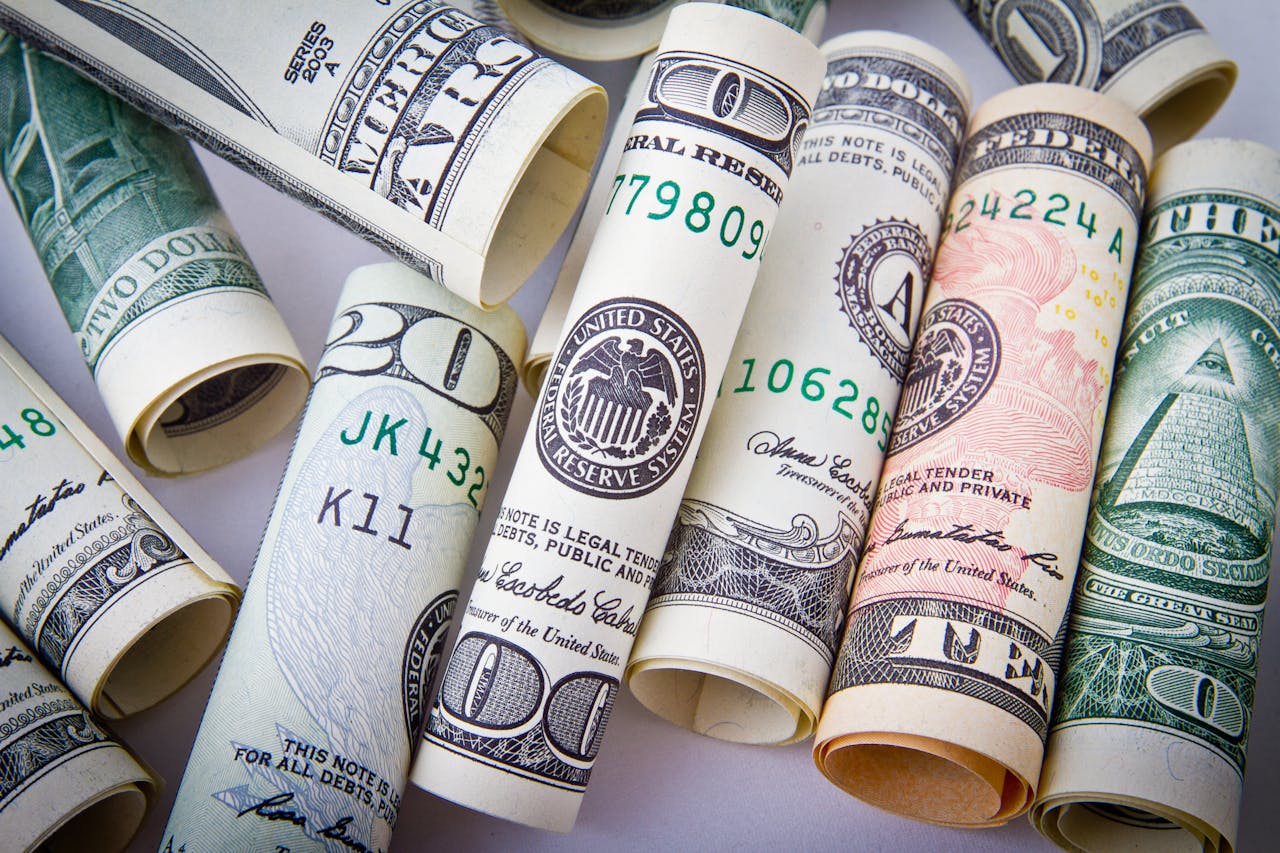
The U.S. dollar weakened to its lowest level in a week during early trading on Monday as renewed geopolitical tensions involving the White House and the European Union triggered a broad selloff across U.S. financial markets. Investors pulled back from U.S. stocks, Treasury bonds, and the greenback amid concerns that escalating trade threats and diplomatic strain could undermine confidence in U.S. assets.
The dollar index, which tracks the currency against a basket of six major peers, fell 0.1% to 99.004, marking its weakest point since January 14. Market sentiment deteriorated after U.S. President Donald Trump revived tariff threats against European allies, linked to the future of Greenland. This development reignited what traders have dubbed the “Sell America” trade, reminiscent of market reactions following last year’s Liberation Day tariff announcement in April. U.S. markets remained closed on Monday due to the Martin Luther King Jr. Day holiday and are set to reopen on Tuesday.
According to Tony Sycamore, a market analyst at IG in Sydney, investors are reducing exposure to dollar-denominated assets due to fears of prolonged uncertainty, strained international alliances, declining confidence in U.S. leadership, and the risk of retaliation from trade partners. He also noted that concerns about accelerating de-dollarization trends are weighing on sentiment, even as some hope the administration may eventually soften its stance.
U.S. Treasury yields edged higher, with the benchmark 10-year yield rising 3 basis points to 4.2586%. Meanwhile, Fed funds futures indicate a 94.5% probability that the Federal Reserve will keep interest rates unchanged at its upcoming meeting, according to CME Group’s FedWatch tool.
In currency markets, the dollar was flat against the Japanese yen at 158.175 after Japan’s prime minister announced snap elections and proposed suspending a food sales tax, raising fiscal concerns. The dollar also held steady against the offshore Chinese yuan at 6.9536 ahead of an expected rate hold by the People’s Bank of China. The euro and British pound were largely unchanged, while the Australian and New Zealand dollars edged lower. In cryptocurrencies, bitcoin slipped below $93,000 and ether also declined, reflecting broader risk aversion.













