


 Chinese AI Stocks Surge as Tencent, MiniMax, and Zhipu Launch Agentic AI Programs
  Gold Prices Climb Above $5,200 as Iran War Uncertainty and Inflation Data Loom
  German Exports Drop 2.3% in January, Exceeding Forecast Decline
  RBA Rate Decision: Deputy Governor Signals Genuine Debate Ahead of March Meeting
  Trump Administration Launches Trade Investigations Against 16 Countries Over Industrial Overcapacity
  Asian Stock Markets Rise as Oil Prices Pull Back; U.S. CPI in Focus
  Asia FX Steady as Iran War Signals and U.S. Inflation Data Weigh on Sentiment
  China's Trade Surplus Surges Past Forecasts in Early 2026
  Asian Markets Retreat as Oil Prices Surge Toward $100 Amid Middle East Tensions
  ANZ and Westpac Forecast Two RBA Rate Hikes in March and May 2026
  Venezuela Names Paula Henao as New Oil Minister Amid U.S.-Led Industry Overhaul
  U.S. Markets Slip Amid Iran Conflict Uncertainty as Oil Prices Retreat
  Nations will release an extra 400 million barrels of oil to the market. All we need to do now is not panic at the pump
  Dollar Strengthens Amid Oil Price Surge and Inflation Fears
  Asian Currencies Face Pressure as U.S.-Iran Conflict Weighs on Markets
  Iran-U.S. Oil Tensions Escalate as Revolutionary Guards Threaten Strait of Hormuz Blockade
  Diesel Price Surge Threatens Global Economy Amid Middle East Conflict


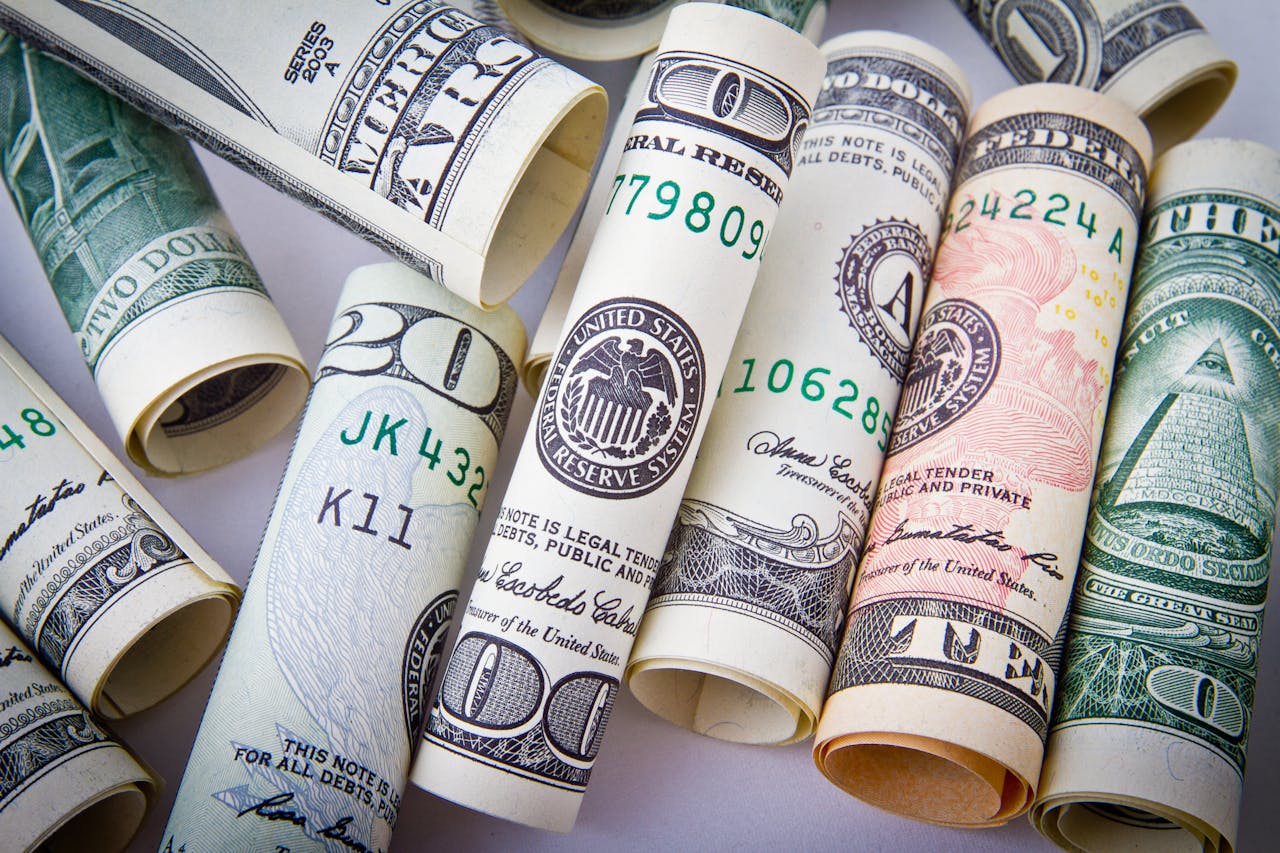
The U.S. dollar weakened on Monday after the Supreme Court struck down a broad range of former President Donald Trump’s tariffs, a move investors interpreted as supportive for global economic growth. Currency markets reacted cautiously, however, as geopolitical tensions involving Iran and ongoing trade uncertainty limited sharper swings.
The euro climbed 0.4% to $1.1820 during the Asia session, while the British pound rose 0.3% to $1.3516. The Japanese yen strengthened as the dollar fell 0.4% to 154.40 yen. Trading volumes were lighter due to a public holiday in Japan and China’s Lunar New Year break. Meanwhile, the safe-haven Swiss franc surged 0.5% to 0.7727 per dollar, reflecting continued demand for defensive assets.
Currency strategists noted that the court’s decision could ease pressure on global trade by limiting U.S. tariff authority. Analysts at OCBC Bank said the ruling may benefit non-U.S. growth, which in turn weighs on the dollar. However, the long-term foreign exchange outlook remains uncertain. Reduced tariff revenue could strain the U.S. fiscal position, potentially pressuring the dollar further, while constraints on executive trade power may reduce policy volatility.
Trump responded to the ruling by criticizing the court and introducing a temporary 15% blanket tariff on imports for 150 days. Legal experts expect extended litigation and policy uncertainty as the administration seeks alternative revenue measures. Bond investors are closely monitoring fiscal discipline, particularly as government spending remains elevated.
The New Zealand dollar edged higher near $0.60, while the Australian dollar dipped slightly to $0.7070. European officials also urged the U.S. to honor prior trade agreements that included zero tariffs on select goods.
Despite earlier expectations that tariffs would strengthen the dollar, the currency has fallen more than 9% this year. Investors have shifted focus toward potential interest rate cuts, rising U.S. deficits, and ongoing trade policy uncertainty, reshaping the global currency market outlook.













