


 Asian Markets Retreat as Oil Prices Surge Toward $100 Amid Middle East Tensions
  Iran-U.S. Oil Tensions Escalate as Revolutionary Guards Threaten Strait of Hormuz Blockade
  Venezuela Names Paula Henao as New Oil Minister Amid U.S.-Led Industry Overhaul
  U.S.-Israel War on Iran Sends Crude Oil Prices Surging Amid Strait of Hormuz Tensions
  Oil Prices Surge Toward $100/Barrel After Tanker Attacks in Iraqi Waters
  China's Trade Surplus Surges Past Forecasts in Early 2026
  Asian Stock Markets Rise as Oil Prices Pull Back; U.S. CPI in Focus
  U.S. Solar Market Contracts in 2025 as Trump Rolls Back Renewable Energy Incentives
  Dollar Stabilizes Amid Iran War Uncertainty as Oil Prices Remain Elevated
  German Exports Drop 2.3% in January, Exceeding Forecast Decline
  Trump Administration Launches Trade Investigations Against 16 Countries Over Industrial Overcapacity
  IEA Plans Record Emergency Oil Release Amid Iran Strait of Hormuz Crisis
  RBA Set for Back-to-Back Rate Hikes, Westpac Forecasts
  Nations will release an extra 400 million barrels of oil to the market. All we need to do now is not panic at the pump
  UK Housing Market Slows Amid Geopolitical Tensions and Mortgage Rate Fears
  Asia FX Steady as Iran War Signals and U.S. Inflation Data Weigh on Sentiment


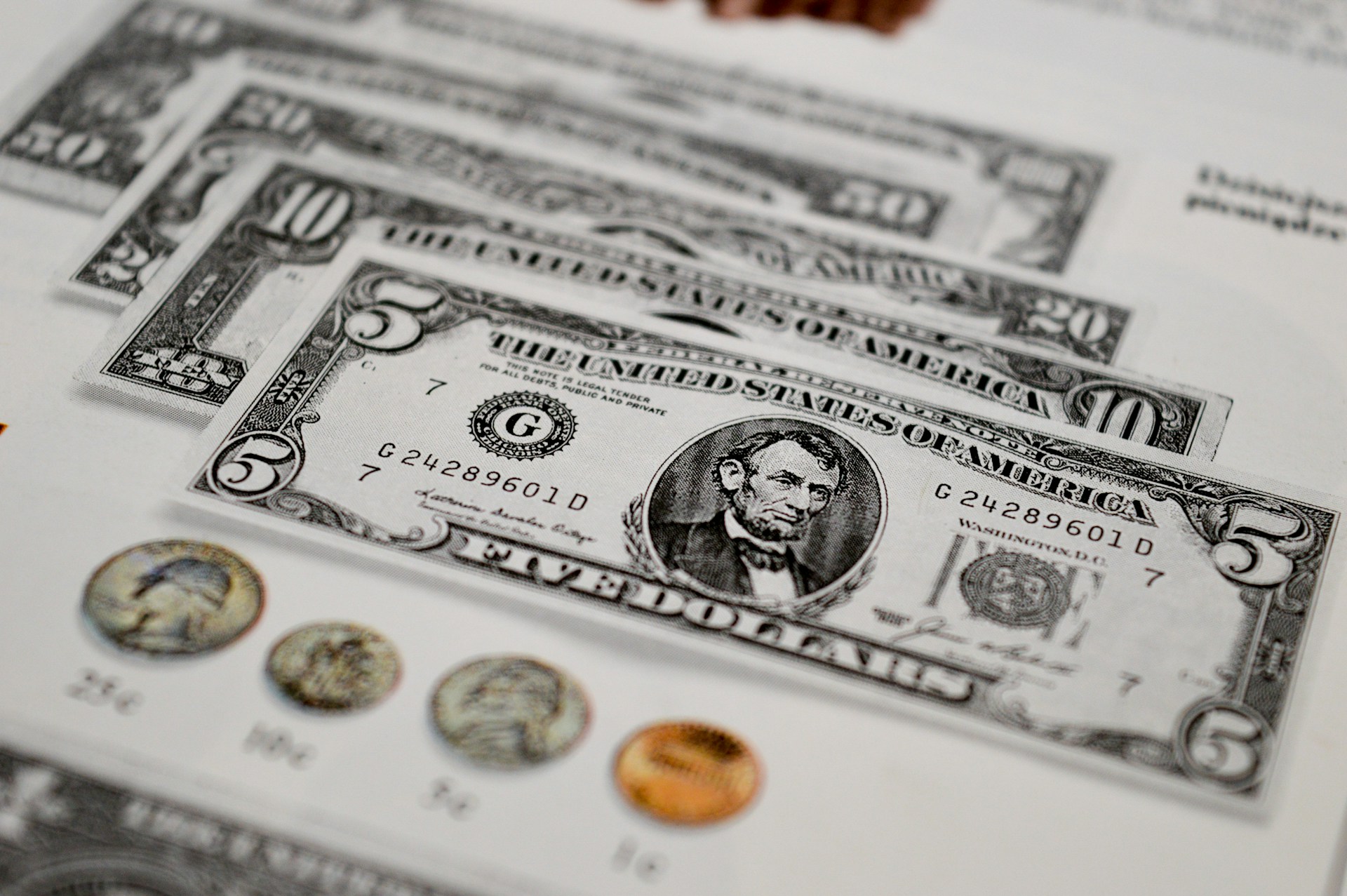
The U.S. dollar paused its strong rally on Thursday, giving the euro and other major currencies brief relief as investors reassessed the potential duration and economic impact of the ongoing Middle East conflict. Currency markets showed signs of stabilization after the dollar surged earlier in the week to its highest level in more than three months.
Market sentiment shifted slightly following reports that Iranian intelligence officials had signaled possible openness to negotiations with the CIA aimed at ending the war. Although Tehran quickly denied the report, the news was enough to encourage cautious optimism among investors who are closely monitoring geopolitical developments and their effect on global markets.
As a result, the U.S. dollar index slipped modestly to 98.78 against a basket of major currencies after reaching a three-month high earlier this week. The euro edged up to $1.1636 after falling to its lowest level in more than three months on Tuesday, while the British pound remained relatively steady at $1.3366.
According to Carol Kong, currency strategist at Commonwealth Bank of Australia, the report about potential negotiations provided only limited reassurance. She noted that uncertainty around the duration of the conflict and its broader economic consequences remains high, though markets appear to be taking a relatively calm view for now.
Support for the dollar earlier in the week was fueled by strong U.S. economic data. Fresh figures released Wednesday showed that activity in the U.S. services sector surged to its highest level in more than three and a half years during February, as companies rebuilt inventories in anticipation of stronger consumer demand.
Despite Thursday’s pullback, the dollar still holds gains of more than 1% for the week, making it one of the few assets to perform well during a volatile period that has pressured stocks, bonds, and even traditional safe-haven assets such as precious metals.
Energy markets have also played a key role in shaping currency movements. Rising oil prices triggered by the Middle East war have raised concerns about renewed inflation pressures, potentially complicating the interest-rate outlook for major central banks worldwide.
Bas van Geffen, senior macro strategist at Rabobank, said markets are increasingly pricing the conflict as an inflation risk. For central banks such as the U.S. Federal Reserve and the Bank of England, this could mean fewer interest rate cuts in the near term. Meanwhile, eurozone money markets are now pricing roughly a 40% chance that the European Central Bank could raise interest rates before the end of the year.
Elsewhere in the currency market, the Japanese yen strengthened slightly, rising 0.2% to 156.78 per dollar as the greenback weakened. The Australian dollar climbed 0.14% to $0.7085, building on the previous session’s gains, while the New Zealand dollar held steady at $0.5942.
Interestingly, the Australian dollar has received some safe-haven demand this week despite typically being considered a risk-sensitive currency. Analysts attribute this to Australia’s strong energy sector, which helps shield its economy from the impact of rising oil prices.
The Chinese offshore yuan also gained modestly, rising 0.12% to 6.8860 per dollar ahead of mainland trading. Meanwhile, China announced a 2026 economic growth target of 4.5% to 5%, slightly lower than the 5% growth recorded last year as policymakers attempt to balance economic expansion with efforts to address industrial overcapacity.
In the cryptocurrency market, both Bitcoin and Ethereum slipped about 1% after rallying overnight on improving risk appetite, reflecting the continued volatility across global financial markets.













