


 U.S. Solar Market Contracts in 2025 as Trump Rolls Back Renewable Energy Incentives
  German Exports Drop 2.3% in January, Exceeding Forecast Decline
  China's Trade Surplus Surges Past Forecasts in Early 2026
  ANZ and Westpac Forecast Two RBA Rate Hikes in March and May 2026
  Nations will release an extra 400 million barrels of oil to the market. All we need to do now is not panic at the pump
  IEA Plans Record Emergency Oil Release Amid Iran Strait of Hormuz Crisis
  RBA Rate Decision: Deputy Governor Signals Genuine Debate Ahead of March Meeting
  IEA Releases Record 400 Million Barrels of Oil Amid U.S.-Iran War
  Dollar Steadies as Traders Await Clarity on U.S.-Israel-Iran War
  Iran-Israel War Sparks Global Oil Crisis as Tankers Burn in Gulf Waters
  Gold Prices Slip as U.S.-Israel-Iran War Fuels Dollar and Oil Demand
  Bank of Japan Expected to Hold Rates at 0.75% Before June Hike Amid Middle East War Uncertainty
  Dollar Strengthens Amid Oil Price Surge and Inflation Fears
  Trump Administration Launches Trade Investigations Against 16 Countries Over Industrial Overcapacity
  Venezuela Names Paula Henao as New Oil Minister Amid U.S.-Led Industry Overhaul
  Dollar Stabilizes Amid Iran War Uncertainty as Oil Prices Remain Elevated
  U.S.-Israel War on Iran Sends Crude Oil Prices Surging Amid Strait of Hormuz Tensions


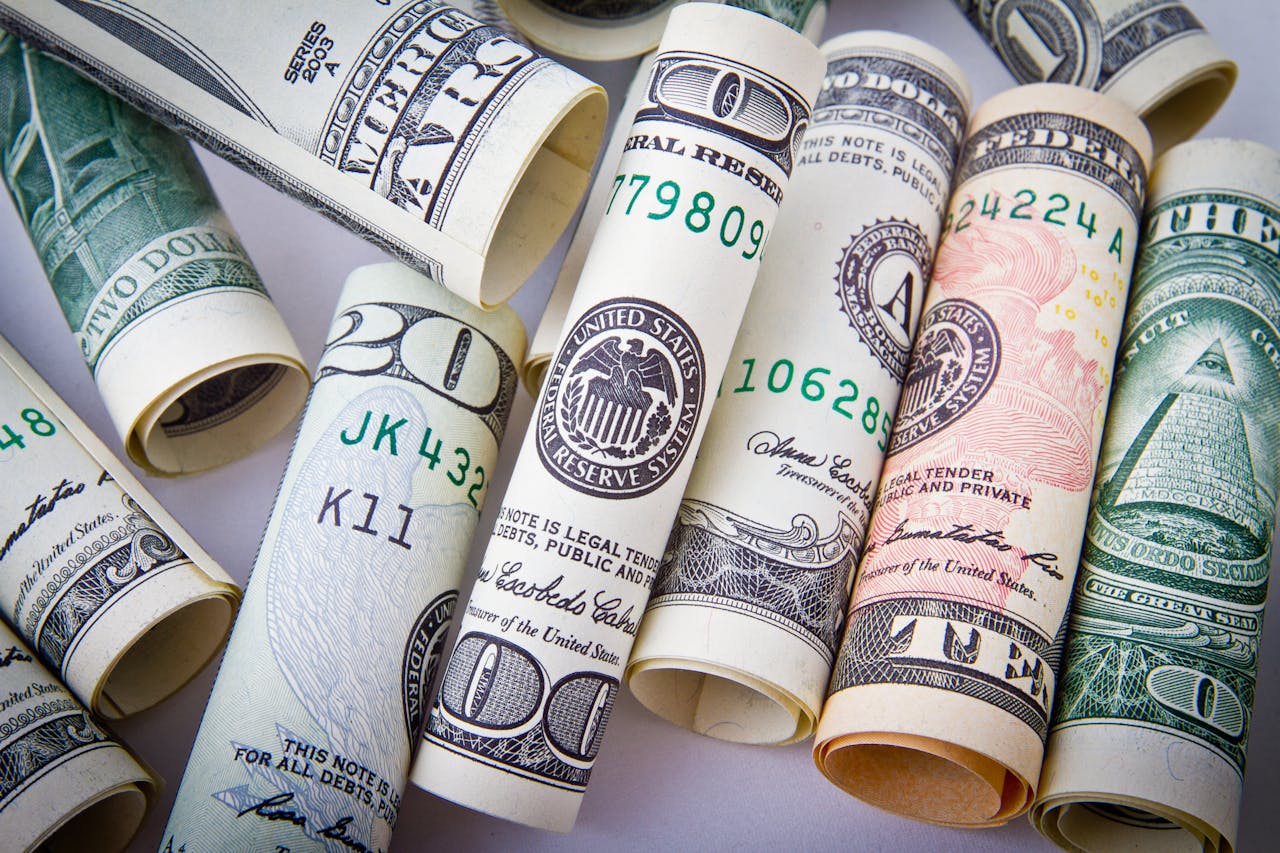
The U.S. dollar remained broadly steady in early Asian trading on Friday and is heading toward its strongest weekly performance in more than a year as escalating tensions in the Middle East push investors toward safe-haven assets.
Rising geopolitical risks have strengthened demand for the greenback while placing pressure on other major currencies. The euro and Japanese yen struggled to gain ground as surging oil prices fueled inflation concerns for economies heavily dependent on energy imports. These developments have also shifted expectations for future monetary policy decisions from the Federal Reserve and other central banks.
Market sentiment worsened after renewed military strikes increased uncertainty in the region. Iran warned that the United States would “bitterly regret” the sinking of one of its warships. Meanwhile, U.S. President Donald Trump said he wanted involvement in selecting Iran’s next head of state following U.S. and Israeli airstrikes that reportedly killed Supreme Leader Ali Khamenei during the early stage of the conflict.
According to IG market analyst Tony Sycamore, if the conflict in the Middle East continues at its current intensity, global markets could face sustained inflation pressures, a stronger U.S. dollar, and a significantly lower likelihood of Federal Reserve interest rate cuts.
The U.S. Dollar Index, which measures the currency against a basket of major peers, slipped slightly by 0.06% to 99.00 but remains on track for a weekly gain of about 1.4%, its biggest jump since November 2024. The euro traded nearly unchanged at $1.1612, while the Japanese yen edged up 0.06% to 157.5 per dollar. The British pound was also largely stable at $1.3361.
The intensifying conflict has created volatility across global markets. Stocks and bonds have weakened during recent sessions, while even traditional safe-haven assets like precious metals have occasionally declined.
Higher energy prices driven by the conflict have revived fears of rising global inflation, leading traders to adjust expectations for central bank policies. Overnight index swaps show that investors are now pushing back expectations for the next Federal Reserve rate cut to September or October. At the same time, markets have reduced expectations for rate cuts from the Bank of England, while speculation about potential European Central Bank rate hikes later this year has increased.
Currency markets largely ignored recent economic data from the United States. Weekly jobless claims remained unchanged, and layoffs dropped sharply in February, indicating continued stability in the labor market.
Attention is now shifting to the upcoming U.S. nonfarm payrolls report. Economists surveyed by Reuters expect the economy to have added around 59,000 jobs last month, following January’s stronger increase of 130,000. The unemployment rate is forecast to remain steady at 4.3%.
TD Securities’ head of FX strategy Jayati Bharadwaj noted that there could be short-term adjustments in bullish dollar positions due to the current risk-off market environment. However, she expects the conflict with Iran to remain relatively contained, particularly during a U.S. midterm election year.
Bharadwaj added that the dollar’s upward momentum will likely continue as long as oil prices maintain elevated risk premiums, similar to market trends seen in mid-2025.
Among commodity-linked currencies, the Australian dollar rose 0.16% to $0.7017, while the New Zealand dollar gained 0.15% to $0.5903.
Cryptocurrency markets also saw mild declines amid the uncertainty. Bitcoin fell 0.26% to $70,956.52, while Ethereum dropped 0.27% to $2,074.84, reflecting cautious investor sentiment as geopolitical tensions continue to influence global financial markets.













