


 Asian Stocks Slip as Tech Rout Deepens, Japan Steadies Ahead of Election
  Japan Economy Poised for Q4 2025 Growth as Investment and Consumption Hold Firm
  OpenAI Expands Enterprise AI Strategy With Major Hiring Push Ahead of New Business Offering
  What’s so special about Ukraine’s minerals? A geologist explains
  Japanese Pharmaceutical Stocks Slide as TrumpRx.gov Launch Sparks Market Concerns
  How is Antarctica melting, exactly? Crucial details are beginning to come into focus
  South Korea’s Weak Won Struggles as Retail Investors Pour Money Into U.S. Stocks
  Weight-Loss Drug Ads Take Over the Super Bowl as Pharma Embraces Direct-to-Consumer Marketing
  Fed Governor Lisa Cook Warns Inflation Risks Remain as Rates Stay Steady
  Wildfires ignite infection risks, by weakening the body’s immune defences and spreading bugs in smoke
  American Airlines CEO to Meet Pilots Union Amid Storm Response and Financial Concerns
  TSMC Eyes 3nm Chip Production in Japan with $17 Billion Kumamoto Investment
  Trump Endorses Japan’s Sanae Takaichi Ahead of Crucial Election Amid Market and China Tensions
  Baidu Approves $5 Billion Share Buyback and Plans First-Ever Dividend in 2026
  Gold Prices Slide Below $5,000 as Strong Dollar and Central Bank Outlook Weigh on Metals
  Tencent Shares Slide After WeChat Restricts YuanBao AI Promotional Links
  SpaceX Pushes for Early Stock Index Inclusion Ahead of Potential Record-Breaking IPO


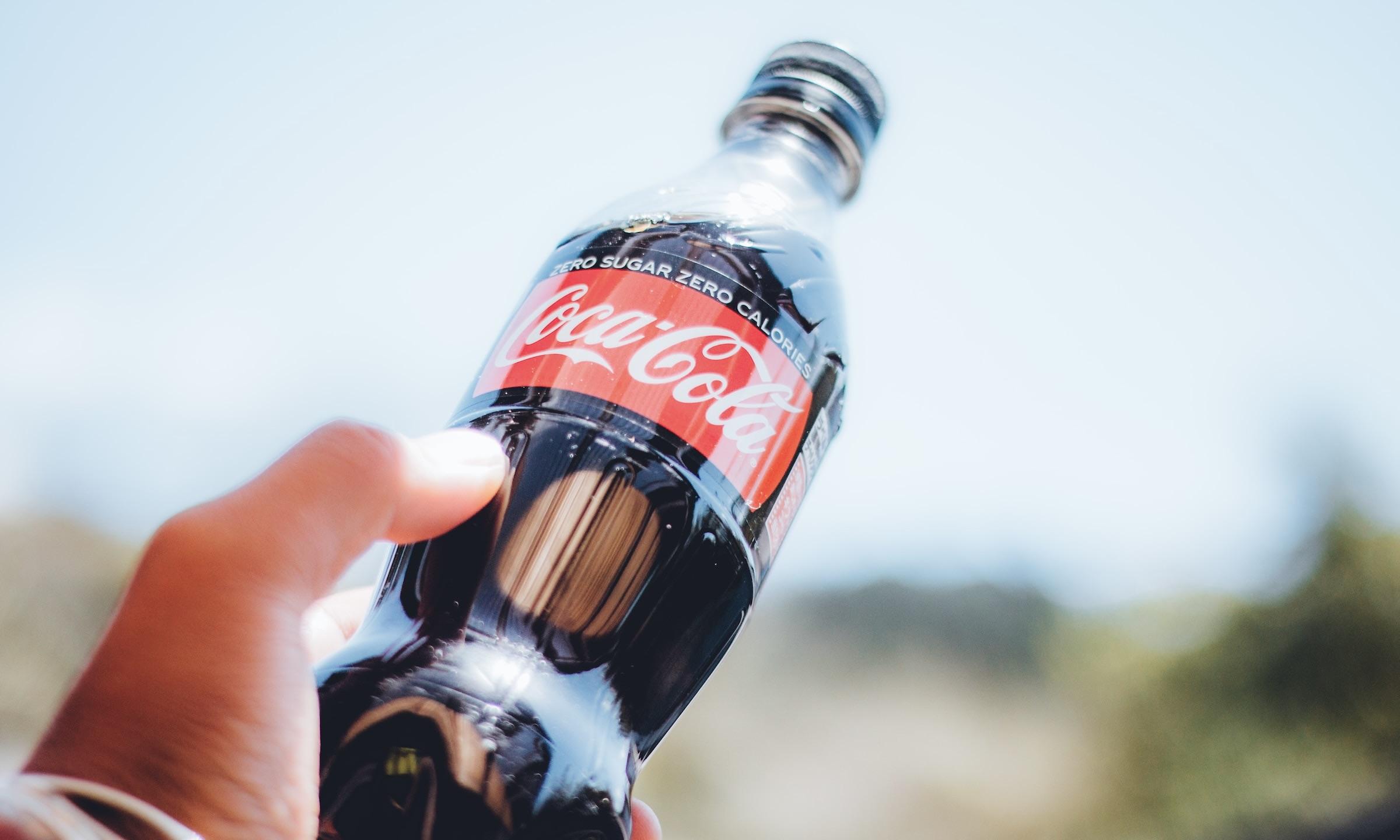
In a pioneering environmental move, Coca-Cola Indonesia has launched its new packaging, composed entirely of recycled PET (rPET) plastic, excluding lids and labels. This groundbreaking initiative, marking a first in the country, signifies the company's commitment to a closed-loop circular economy and its World Without Waste vision.
Julio Lopez, president and director of Coca-Cola Indonesia, says that incorporating used bottles in their packaging has economic value as they can be repurposed repeatedly, signaling the company's commitment to a closed-loop circular economy. The "closed loop" circular economy model is one of the pillars of the company's vision of a World Without Waste, where they aim to use at least 50 percent recycled plastic in its packaging by 2030.
To support the collection of used bottles for recycling, Coca-Cola Indonesia collaborates with Amandani Bumi Nusantara of Bekasi Regency, West Java, and Mahija Parahita Nusantara, a nonprofit social foundation founded by the same two organizations.
With a focus on social enterprises and community support, the foundation provides raw materials for recycling facilities. It empowers informal scavenger communities with stable jobs and access to social services, thereby ensuring sustainable economic development.
To commemorate this launch, Coca-Cola Indonesia held a two-day event at Piazza, Gandaria City Mall, featuring activities designed to inspire public action toward a circular economy and sustainable living. To bring more awareness, the company incentivized those who brought 10 or more used plastic bottles from various Coca-Cola Indonesia products to exchange them for #JagaIndonesia Concert tickets, collecting more than 6,000 bottles by the second day.
Meanwhile, Coca-Cola India just achieved a significant milestone - they launched a first-of-its-kind 100% recycled Polyethylene Terephthalate (rPET) bottle for their bottled water brand, Kinley. It's a major step towards creating a circular economy and achieving Coca-Cola's global goal of using at least 50% recycled material in all packaging by 2030.
Currently, 90% of the company's packaging is recyclable, and 15% of PET used is recycled globally. The launch of the rPET bottle made it possible to use recycled plastic in food packaging, and this was made feasible after thorough review and approval by the Food Safety Standards Authority of India (FSSAI).
This revolutionary bottle is readily available in one-liter size as Coca-Cola continues in its efforts to create a more sustainable future.
Photo: Koukichi Takahashi/Unsplash













