


 As the Black Summer megafires neared, people rallied to save wildlife and domestic animals. But it came at a real cost
  Wildfires ignite infection risks, by weakening the body’s immune defences and spreading bugs in smoke
  Blue Origin’s New Glenn Achieves Breakthrough Success With First NASA Mission
  SpaceX Prioritizes Moon Mission Before Mars as Starship Development Accelerates
  How ongoing deforestation is rooted in colonialism and its management practices
  Swimming in the sweet spot: how marine animals save energy on long journeys
  NASA Cuts Boeing Starliner Missions as SpaceX Pulls Ahead
  Fungi are among the planet’s most important organisms — yet they continue to be overlooked in conservation strategies
  Thousands of satellites are due to burn up in the atmosphere every year – damaging the ozone layer and changing the climate
  GesiaPlatform Launches Carbon-Neutral Lifestyle App ‘Net Zero Heroes’
  Blue Origin New Glenn Explosion Could Delay Launch Operations Until 2028
  How is Antarctica melting, exactly? Crucial details are beginning to come into focus
  Trump Administration Releases New UFO Files and Apollo Mission Records
  We combed through old botanical surveys to track how plants on Australia’s islands are changing


 Add as a preferred source on Google
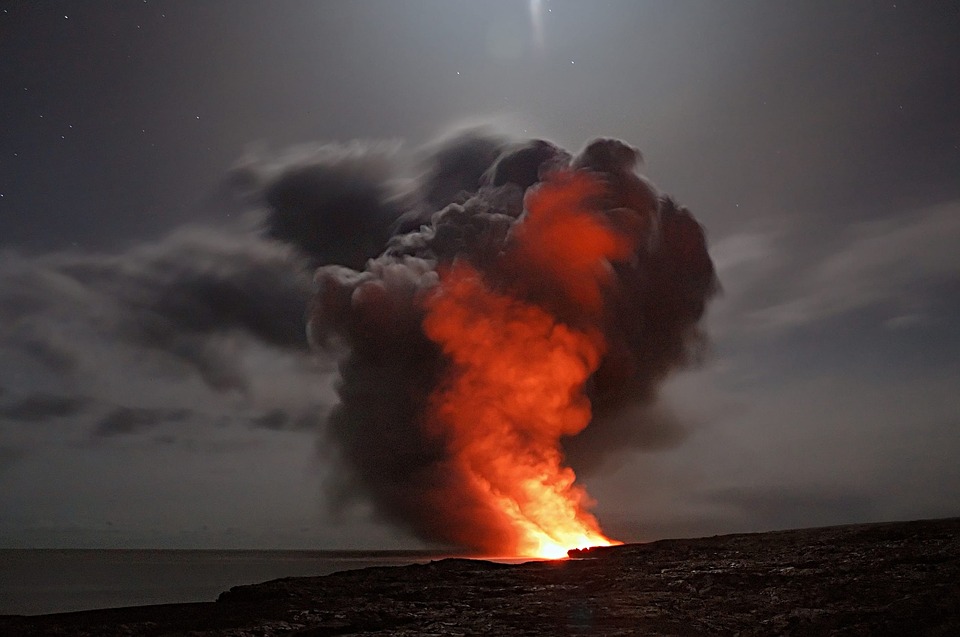
Climate change continues to ravage the planet, with scientists and advocates becoming increasingly concerned about how much ice is melting and how much the temperatures have risen. On the upside, there are scientists that believe that something could still be done, and the fight for climate change may lie with volcanic eruptions.
Express reports that scientists from the University of Southampton are looking into the possibility of volcanic eruptions playing a part in combatting global warming as a way to get rid of the amounts of carbon dioxide found in the atmosphere. Because many volcanos are found near the ocean, when eruptions occur, volcanoes spew ash and lava which eventually end up in the water and sink to the bottom. The ash will help expand the oceans’ ability to store carbon dioxide, thus, when the oceans absorb the carbon dioxide, the ash will help keep the CO2 at the bottom of the ocean.
This is how the scientists came to the conclusion that a kind of substance that bears similarities to volcanic ash could be distributed by boat to a part of the ocean, where it could help eliminate the carbon dioxide in the atmosphere.
“One of the ways oceans lock away CO2 is by storing it in sediments on the seafloor such as calcium carbonate and organic carbon,” said the study’s lead author Jack Longman of the University of Southampton. “In our work, we discuss how this natural process may be augmented by artificially adding ash to oceans.”
Based on the calculations made by Longman and his team, they found that this would be more cost-effective compared to other methods of getting rid of greenhouse gases that add to global warming.
When it comes to climate change, the icy regions of Greenland and Antarctica would take the worst hit from the rising temperatures. A study has warned that should the rate of greenhouse gas emissions continue, then Greenland would be losing more ice than before in the last 12,000 years. The study was published in the journal Nature, and according to the researchers, the findings from their study paint a bleaker picture of what is to come unless something is done to combat climate change.







