


 Japan Economy Poised for Q4 2025 Growth as Investment and Consumption Hold Firm
  Weight-Loss Drug Ads Take Over the Super Bowl as Pharma Embraces Direct-to-Consumer Marketing
  Supreme Court Tests Federal Reserve Independence Amid Trump’s Bid to Fire Lisa Cook
  Vietnam’s Trade Surplus With US Jumps as Exports Surge and China Imports Hit Record
  Dow Hits 50,000 as U.S. Stocks Stage Strong Rebound Amid AI Volatility
  Trump Endorses Japan’s Sanae Takaichi Ahead of Crucial Election Amid Market and China Tensions
  Trump’s Inflation Claims Clash With Voters’ Cost-of-Living Reality
  Panama Supreme Court Voids Hong Kong Firm’s Panama Canal Port Contracts Over Constitutional Violations
  Trump Backs Nexstar–Tegna Merger Amid Shifting U.S. Media Landscape
  US Judge Rejects $2.36B Penalty Bid Against Google in Privacy Data Case
  Ford and Geely Explore Strategic Manufacturing Partnership in Europe
  Alphabet’s Massive AI Spending Surge Signals Confidence in Google’s Growth Engine
  FDA Targets Hims & Hers Over $49 Weight-Loss Pill, Raising Legal and Safety Concerns
  Singapore Budget 2026 Set for Fiscal Prudence as Growth Remains Resilient


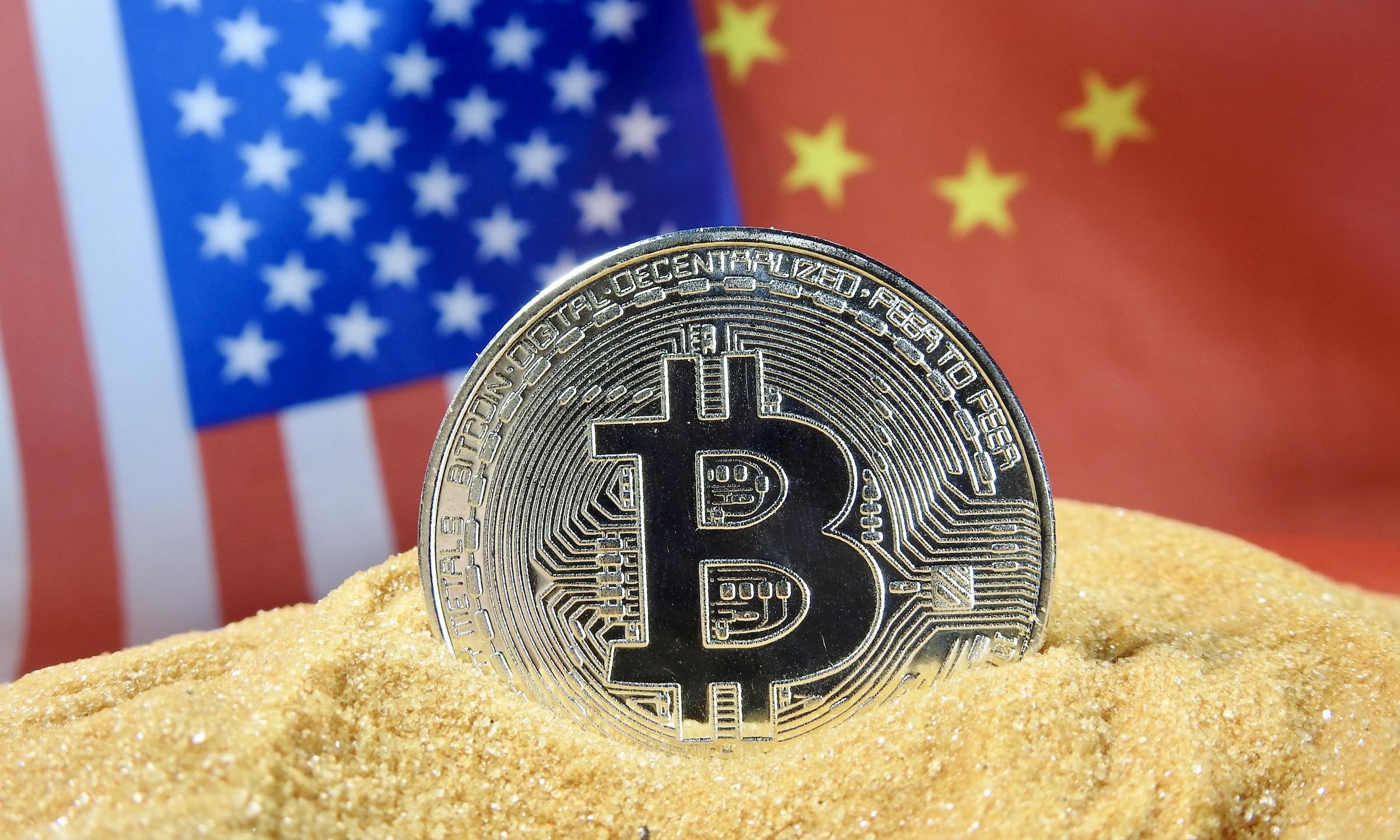
In a recent opinion article, a Chinese court in Xiamen proposed recognizing and legally protecting cryptocurrencies as property, highlighting their "economic attributes" and international legitimacy despite Beijing's ongoing restrictions on digital assets.
Despite recent government crackdowns on digital assets-related activities, the court emphasized that cryptocurrency ownership rights should be safeguarded under the country's legal and policy framework.
According to the Xiamen court, cryptocurrencies possess "economic attributes" such as usefulness and exchange value, which objectively exist as they circulate legally in overseas markets. The court asserted that the ownership of cryptocurrencies, seen as a digital commodity, should be protected except in cases where they are used for criminal purposes or acquired unlawfully.
The opinion piece from the Xiamen court reflects an emerging consensus among Chinese authorities regarding the protected status of cryptocurrency ownership. This contrasts with Beijing's ongoing hostility toward digital assets on the mainland, despite the recent regulatory developments in Hong Kong allowing for cryptocurrency trading among retail investors.
It is noteworthy that, in a landmark liquidation case involving the now-defunct Hong Kong crypto exchange Gatecoin, the Hong Kong High Court ruled that cryptocurrencies are legitimate assets that can be held in trust. This decision places cryptocurrencies on par with other intangible assets like shares and bonds, aligning Hong Kong's legal perspective with other common law jurisdictions.
Legal experts believe this ruling will have far-reaching implications for cryptocurrency-related ownership and property rights matters.
The Xiamen court's stance signifies a growing recognition and acceptance of cryptocurrencies as protected property within China. This perspective contradicts the recent Chinese government's ban on certain cryptocurrency-related activities, outlined by ten prominent government agencies in September 2021.
Importantly, the Xiamen court clarifies that the ban primarily focuses on cryptocurrency businesses and does not render all cryptocurrency transactions illegal. The Xiamen court's opinion piece underscores the need for a legal framework that acknowledges cryptocurrencies' distinct nature and potential benefits while maintaining robust measures to combat illicit activities.
Photo: Ewan Kennedy/Unsplash













