


 Oil Prices Climb as Iran Reviews U.S. Peace Proposal Amid Middle East Tensions
  Trump Tariffs Show Minimal Economic Impact but Boost Federal Revenue, Study Finds
  Bank of Japan Eyes April Rate Hike Despite Inflation Dip, ING Says
  Suspicious Oil Market Trades Precede Trump's Iran Peace Post by 15 Minutes
  Currency Markets Show Caution Amid U.S.-Iran Negotiations
  Federal Reserve Balance Sheet Reduction: Brookings Research Outlines Possible Path Forward
  Australia's Inflation Eases in February but Core Pressures Persist
  Asian Stocks Gain Amid Iran Conflict Uncertainty
  Wall Street Slides as Iran War Uncertainty, Oil Surge, and AI Fears Rattle Markets
  Bank of Japan Officials Signal Continued Interest Rate Hikes Amid Inflation Concerns
  U.S. Stock Futures Steady as Iran Reviews U.S. Ceasefire Proposal
  Australia-EU Free Trade Deal Signed After Years of Negotiations
  Iran-Israel Missile Strikes Continue Amid Mixed Signals on U.S.-Iran Diplomacy
  U.S. Oil Prices Slide as Middle East Ceasefire Talks Spark Market Optimism
  Middle East War Rattles Global Markets as Oil Tops $100 and Dollar Surges


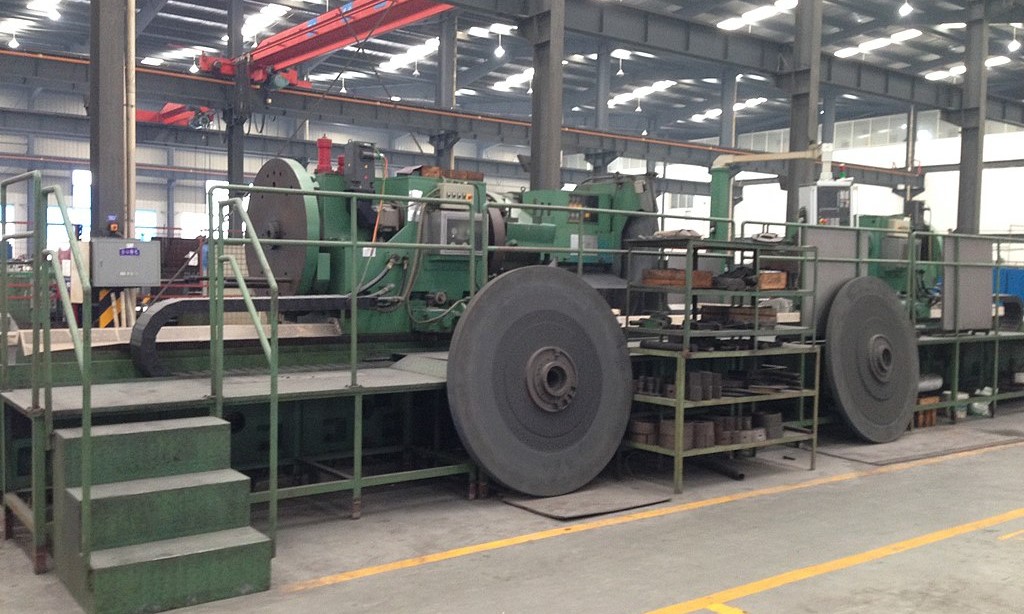
China’s manufacturing activity shrank more than expected in October, signaling persistent weakness in the world’s second-largest economy. According to official data released Friday, the manufacturing Purchasing Managers’ Index (PMI) dropped to 49.0, below expectations of 49.6 and down from 49.8 in September. Any reading below 50 indicates contraction, marking the seventh consecutive month of decline for China’s factory sector.
The data highlights ongoing pressure on Chinese manufacturers as domestic demand remains sluggish and U.S. trade tariffs continue to weigh on exports. Despite recent talks between President Xi Jinping and U.S. President Donald Trump, where both leaders agreed to ease some trade restrictions, tariffs on Chinese goods still hover around 50%, dampening export competitiveness.
Weak factory output reflects broader economic challenges in China, including deflationary pressures, low consumer spending, and declining private investment. While Beijing has pledged additional stimulus measures to revive growth, specific details on new economic support remain unclear. Analysts say that without concrete policy action, China’s recovery could continue to lose momentum heading into the final quarter of the year.
Outside of manufacturing, business activity showed modest improvement, with the non-manufacturing PMI rising to 50.1, in line with forecasts. However, the overall composite PMI, which measures combined manufacturing and services activity, fell to 50.0 from 50.6, teetering on the edge of contraction.
The latest figures underscore the fragile state of China’s post-pandemic recovery. As global demand softens and local confidence falters, economists believe targeted fiscal stimulus and stronger domestic reforms will be essential to stabilize growth and restore industrial confidence in the coming months.













